
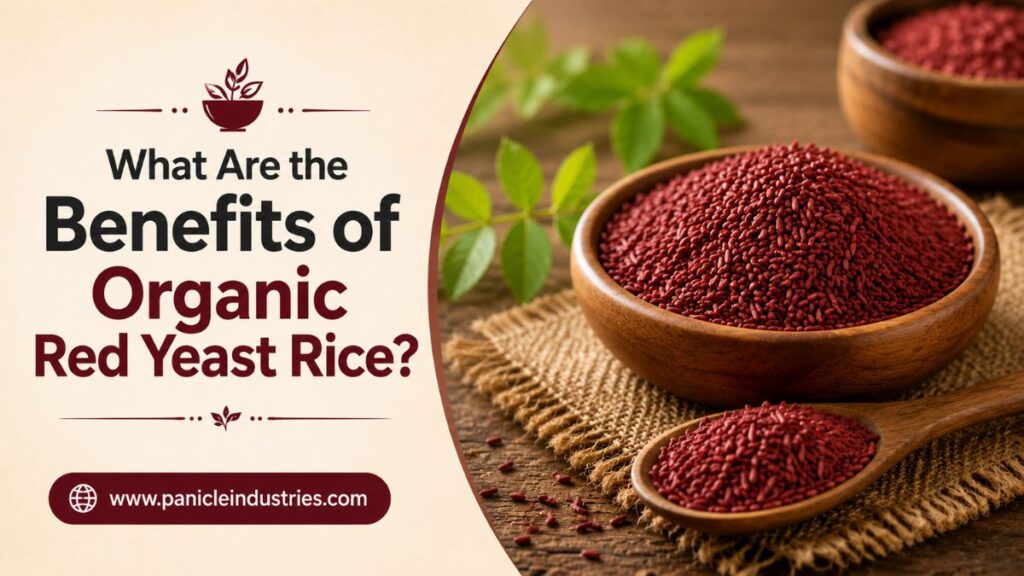
Organic red yeast rice has gained significant attention in recent years as more people look for natural ways to support their overall health. Traditionally used in Asian cuisine and herbal practices for centuries, this unique fermented rice is valued not only for its vibrant red color but also for the natural compounds it contains. Today, it is commonly found in dietary supplements and health-focused products around the world.
If you’ve been wondering, what are the benefits of organic red yeast rice?, you’re not alone. Many people are interested in its potential role in supporting heart health, maintaining healthy cholesterol levels, and providing beneficial antioxidants. However, it’s equally important to understand how it is produced, what makes organic red yeast rice different, and how to use it responsibly.
In this blog, we’ll explore the potential benefits of organic red yeast rice, explain how it is made, discuss its nutritional value, and provide practical information to help you make informed decisions.
What Is Organic Red Yeast Rice?
Organic red yeast rice is made by fermenting rice with a specific type of yeast called Monascus purpureus. During the fermentation process, the yeast grows on the surface of the rice and produces natural pigments that give the grains their distinctive deep red or reddish-purple color.
Unlike ordinary white rice, red yeast rice undergoes a controlled fermentation process that changes both its appearance and its composition. Depending on how it is produced, the finished product may be used as:
- A traditional food ingredient
- A natural food coloring
- A seasoning
- A dietary supplement
When labeled as organic, the rice is generally produced using organically grown ingredients and farming practices that avoid synthetic pesticides and fertilizers, in accordance with applicable organic certification standards.
Also read: How It Feels Eating Chicken And Rice Everyday
How Is Organic Red Yeast Rice Made?
The production of organic red yeast rice requires careful fermentation under controlled conditions.
The process typically involves:
- Selecting high-quality organic rice.
- Cleaning and preparing the rice.
- Introducing the beneficial Monascus purpureus culture.
- Allowing controlled fermentation under monitored temperature and humidity.
- Drying the fermented rice.
- Grinding or packaging the finished product.
Throughout production, manufacturers follow quality control measures to ensure consistency and product safety. Reputable producers also test for contaminants, including citrinin, an unwanted mycotoxin that can develop during improper fermentation.
Nutritional Profile of Organic Red Yeast Rice
Organic red yeast rice contains several naturally occurring compounds that contribute to its nutritional value.
Depending on the product and manufacturing process, it may provide:
- Complex carbohydrates
- Small amounts of protein
- Dietary fiber
- Minerals
- Natural pigments
- Antioxidant compounds
Some red yeast rice products also contain naturally occurring monacolins, including monacolin K. The amount can vary significantly depending on the strain used and the production process. Because of this variation, products on the market may differ considerably in composition.
What Are the Benefits of Organic Red Yeast Rice?
Research continues to explore the health effects of red yeast rice. While results are promising in some areas, it’s important to understand that benefits can vary based on the product, dosage, and individual health conditions.
Organic red yeast rice should not be considered a replacement for a balanced diet, regular exercise, or professional medical care.
Let’s look at some of its potential benefits.
1. May Support Healthy Cholesterol Levels
One of the most widely discussed potential benefits of organic red yeast rice is its role in supporting healthy cholesterol levels in some individuals.
Certain red yeast rice products naturally contain compounds known as monacolins, which have been studied for their effect on cholesterol production in the body.
When combined with healthy lifestyle habits such as balanced nutrition, regular physical activity, and weight management, some research suggests red yeast rice may help support healthy cholesterol levels already within or near the normal range.
Because products differ greatly, consumers should consult a healthcare professional before using red yeast rice supplements, particularly if they have existing medical conditions or take cholesterol-lowering medications.
2. May Support Heart Health
Maintaining healthy cholesterol levels is one factor that contributes to overall cardiovascular wellness.
As part of a heart-healthy lifestyle that includes:
- Regular exercise
- A balanced diet
- Healthy body weight
- Stress management
- Adequate sleep
organic red yeast rice may play a supportive role for some people under medical guidance.
It’s important to remember that heart health depends on many lifestyle factors rather than any single food or supplement.
3. Contains Natural Antioxidant Compounds
Fermentation produces several naturally occurring compounds with antioxidant properties.
Antioxidants help protect cells from oxidative stress caused by unstable molecules known as free radicals.
Including antioxidant-rich foods as part of a varied diet may support overall health and healthy aging.
Organic red yeast rice should be viewed as one possible contributor within an overall balanced eating pattern rather than a primary source of antioxidants.
4. Traditionally Used in Asian Cuisine and Wellness Practices
Red yeast rice has been used for centuries in several Asian countries.
Historically, it has served multiple purposes, including:
- Coloring foods naturally
- Flavoring traditional dishes
- Preserving certain foods
- Supporting traditional wellness practices
Its long history of culinary use has contributed to ongoing scientific interest in understanding its properties through modern research.
Traditional use alone does not prove effectiveness for specific medical conditions, but it provides valuable historical context for current studies.
5. May Complement a Healthy Lifestyle
Many people choose organic products because they value farming methods that emphasize environmental sustainability and reduced use of synthetic agricultural chemicals.
When incorporated into a healthy lifestyle that includes nutritious foods, regular exercise, and routine medical care, organic red yeast rice may complement broader wellness goals.
However, no supplement can replace healthy daily habits.
Who May Be Interested in Organic Red Yeast Rice?
Organic red yeast rice is commonly considered by adults who are interested in supporting their general wellness as part of a healthy lifestyle.
Some individuals explore it because they want to:
- Learn about traditional fermented foods.
- Include more naturally fermented products in their diet.
- Support heart-conscious eating habits.
- Explore organic food options.
- Discuss evidence-based supplements with their healthcare provider.
Anyone considering red yeast rice supplements should first seek professional medical advice, especially if they are pregnant, breastfeeding, have liver disease, or are taking prescription medications.
6. May Support Overall Metabolic Wellness
A healthy metabolism is influenced by many factors, including diet, physical activity, sleep, and genetics. Organic red yeast rice may complement a balanced lifestyle by providing naturally occurring compounds that have been studied for their role in supporting metabolic health.
However, it is important to understand that no single food or supplement can significantly improve metabolism on its own. Lasting health benefits come from maintaining a nutritious diet, staying physically active, and following medical advice when needed.
7. A Naturally Fermented Food
Fermentation has been used for centuries to improve the flavor, texture, and preservation of foods. Organic red yeast rice is one example of a traditionally fermented product that continues to be valued today.
Fermented foods are popular because they:
- Add unique flavors to meals.
- Reflect traditional food practices.
- Offer naturally produced compounds created during fermentation.
Organic red yeast rice demonstrates how traditional food preparation methods remain relevant in modern nutrition and food production.
8. Supports a Balanced Diet
Although organic red yeast rice should not be viewed as a “superfood” or miracle ingredient, it can be included as part of a varied and balanced diet.
For example, someone following a heart-conscious eating plan may focus on:
- Whole grains
- Fruits
- Vegetables
- Lean proteins
- Healthy fats
- Moderate sodium intake
Under appropriate guidance, organic red yeast rice may complement these healthy dietary habits rather than replace them.
How to Choose High-Quality Organic Red Yeast Rice
Product quality varies considerably among manufacturers, making it important to purchase from reputable brands.
When choosing organic red yeast rice, consider the following:
Look for Organic Certification
Certified organic products are produced according to recognized organic farming standards, helping ensure ingredients are grown without prohibited synthetic pesticides or fertilizers.
Choose Reputable Manufacturers
Select companies that clearly label their products and provide information about manufacturing practices and quality testing.
Third-Party Testing
Some manufacturers use independent laboratories to test their products for purity and contaminants, including citrinin. Choosing products with transparent testing practices can provide additional confidence in quality.
Read the Label Carefully
Before purchasing, review:
- Ingredient list
- Serving size
- Storage instructions
- Expiration date
- Manufacturer information
How to Store Organic Red Yeast Rice
Proper storage helps preserve product quality.
For best results:
- Keep the product in a cool, dry place.
- Protect it from direct sunlight.
- Close the container tightly after each use.
- Avoid exposure to moisture and excessive heat.
- Follow any storage instructions provided on the packaging.
Proper storage helps maintain freshness throughout the product’s shelf life.
Safety Considerations
Although organic red yeast rice is a traditional food and is available in supplement form, it is not suitable for everyone.
Because some red yeast rice products naturally contain monacolins, they may interact with certain medications or produce side effects in some individuals.
Speak With a Healthcare Professional Before Use If You:
- Take cholesterol-lowering medications
- Have liver disease
- Have kidney disease
- Are pregnant or breastfeeding
- Take multiple prescription medicines
- Have a history of muscle-related medical conditions
Professional guidance helps ensure the product is appropriate for your individual health situation.
Possible Side Effects
Some people may experience side effects, particularly when using concentrated red yeast rice supplements.
Possible side effects may include:
- Digestive discomfort
- Headache
- Muscle pain
- Fatigue
- Allergic reactions (rare)
Anyone experiencing unusual symptoms should stop using the product and seek medical advice promptly.
Who Should Avoid Organic Red Yeast Rice Supplements?
Certain individuals should avoid using red yeast rice supplements unless specifically advised by a qualified healthcare professional.
This may include:
- Pregnant women
- Breastfeeding mothers
- Children
- Individuals with liver disease
- People taking statin medications
- Those with known allergies to product ingredients
Dietary supplements should always be used responsibly and according to professional advice.
Practical Tips for Including Organic Red Yeast Rice in a Healthy Lifestyle
If your healthcare provider recommends organic red yeast rice, consider these simple practices:
- Follow the recommended serving instructions.
- Combine it with a balanced, nutrient-rich diet.
- Stay physically active.
- Schedule regular health checkups.
- Do not replace prescribed medications without medical advice.
- Purchase products from trusted manufacturers.
These habits support overall wellness while helping you make informed choices.
Why Research Continues?
Scientists continue studying organic red yeast rice to better understand its naturally occurring compounds and their potential effects on health.
Because product composition varies widely, ongoing research is important for evaluating safety, effectiveness, and quality standards.
Future studies may provide additional insights into its role within evidence-based nutrition and preventive healthcare.
Conclusion
So, what are the benefits of organic red yeast rice? Organic red yeast rice is a traditional fermented food that has been used for centuries and continues to attract interest for its potential role in supporting heart health, maintaining healthy cholesterol levels, and providing antioxidant compounds. It may also complement a balanced diet and healthy lifestyle when used responsibly.
However, not all products are the same, and some may contain naturally occurring compounds that can interact with medications or affect certain individuals. Choosing a high-quality product, following storage recommendations, and consulting a healthcare professional before using supplements are essential steps.
Ultimately, organic red yeast rice should be viewed as one part of an overall healthy lifestyle that includes nutritious eating, regular exercise, adequate sleep, and routine medical care—not as a substitute for professional treatment.
Frequently Asked Questions
1. What is organic red yeast rice used for?
Organic red yeast rice is traditionally used as a fermented food and is studied for its potential role in supporting heart health and healthy cholesterol levels.
2. Is organic red yeast rice safe to take every day?
Daily use depends on the product and your health. Always consult a healthcare professional before taking red yeast rice supplements regularly.
3. Does organic red yeast rice naturally contain monacolin K?
Some products naturally contain monacolin K, but levels vary widely depending on the fermentation process and manufacturing methods.
4. Who should avoid red yeast rice supplements?
Pregnant women, breastfeeding mothers, people with liver disease, and those taking statins should seek medical advice before using supplements.
5. How should organic red yeast rice be stored?
Store it in a cool, dry place away from heat, moisture, and sunlight, and keep the container tightly sealed to maintain product quality.