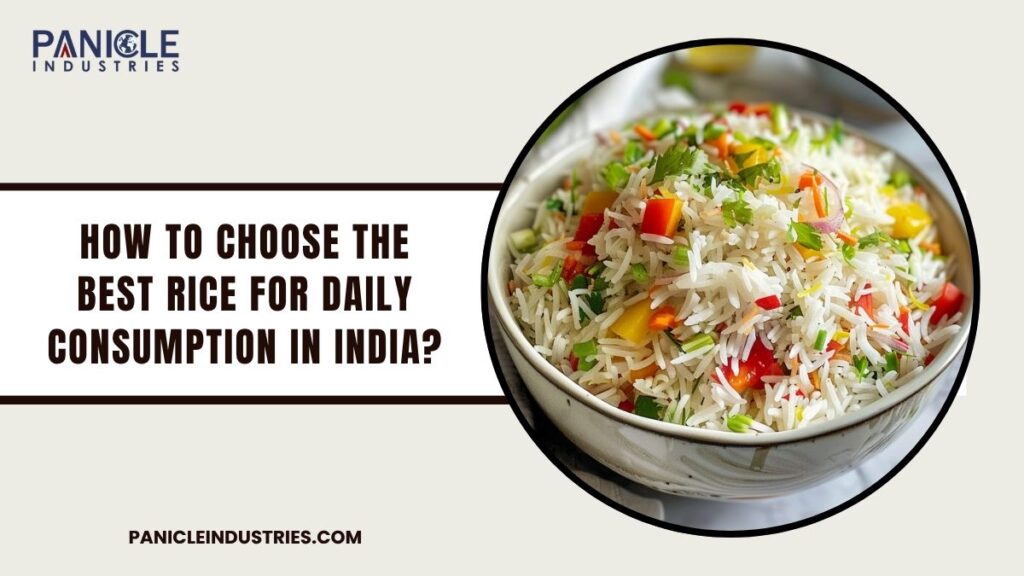
Rice is not just food in India—it is part of daily life. From simple dal-chawal to elaborate meals, rice appears on millions of plates every single day. But walk into any grocery store or mandi, and you will face a surprisingly complex choice. Basmati, sona masoori, kolam, brown rice, parboiled rice—the list feels endless.
So, how do you pick the right one for daily use? The answer depends on several factors, including your health goals, cooking style, regional preferences, and budget. Choosing blindly can lead to meals that feel heavy, lack flavor, or fail to meet your nutritional needs.
In this guide, you will learn exactly how to choose the best rice for daily consumption in India. We will break down the types, nutritional differences, cooking behavior, and practical buying tips so you can make a confident and informed decision.
How to choose the best rice for daily consumption in India?
Choosing the right rice is not about picking the most expensive or the most popular option. It is about finding the best fit for your lifestyle.
Here are the key factors to consider:
- Nutritional value and health impact
- Glycemic index and digestion
- Cooking style and meal type
- Taste and texture preference
- Budget and availability
For daily consumption, your rice should strike a balance between health, affordability, and versatility. It should cook easily, taste good with regular meals, and support your long-term health.
Also read: Why Basmati Rice is a Great Option for People with Diabetes
Understanding the Main Types of Rice in India
India grows and consumes a wide variety of rice. Each type serves a different purpose.
Common Rice Varieties
Basmati Rice
- Long-grain, aromatic rice
- Ideal for biryani and special dishes
- Light and fluffy texture
- Usually more expensive
Sona Masoori Rice
- Medium-grain rice popular in South India
- Lightweight and easy to digest
- Suitable for daily meals
- Moderately priced
Kolam Rice
- Short to medium grain
- Soft texture after cooking
- Common in Maharashtra and Gujarat
- Good for everyday use
Parboiled Rice (Usna Rice)
- Partially boiled before milling
- Retains more nutrients than white rice
- Slightly firmer texture
- Popular in eastern and southern India
Brown Rice
- Whole grain with bran layer intact
- Higher fiber and nutrients
- Chewier texture
- Takes longer to cook
Why Variety Matters
Each rice type behaves differently during cooking. Some absorb water quickly, while others remain firm. Some pair better with curries, while others suit dry dishes.
For daily meals, many households prefer:
- Sona masoori for its lightness
- Kolam for its soft texture
- Parboiled rice for better nutrition
Understanding these differences helps you avoid buying rice that does not suit your cooking habits.
Nutrition and Health: What Should You Prioritize?
Rice often gets blamed for weight gain, but the truth is more nuanced. The type of rice and portion size matter far more.
White Rice vs Brown Rice
White rice:
- Lower fiber
- Easier to digest
- Faster energy release
- Higher glycemic index
Brown rice:
- Higher fiber content
- Better for digestion
- Slower energy release
- Supports weight management
According to nutrition research, whole grains like brown rice can reduce the risk of type 2 diabetes and improve heart health when consumed regularly.
Glycemic Index and Blood Sugar
The glycemic index (GI) measures how quickly food raises blood sugar.
- High GI (70+): regular white rice
- Medium GI (56–69): basmati rice
- Lower GI: brown rice and parboiled rice
For daily consumption, choosing medium to low GI rice can help maintain steady energy levels and reduce sugar spikes.
Key Nutrients in Rice
Rice provides:
- Carbohydrates for energy
- Small amounts of protein
- B vitamins (especially in unpolished rice)
- Minerals like magnesium and phosphorus
If you want better nutrition without giving up white rice completely, consider mixing brown and white rice.
Taste and Texture Preferences
Let us be honest—no one eats rice just for nutrients. Taste matters.
How Texture Affects Daily Meals
- Soft rice pairs well with dal and curries
- Fluffy rice works better for dry dishes
- Sticky rice suits comfort meals
Matching Rice to Your Plate
Choose based on your daily menu:
- Eat mostly dal and sabzi? Go for sona masoori or kolam
- Prefer biryani occasionally? Keep basmati for special days
- Want a firmer bite? Choose parboiled rice
- Focus on health? Try brown or semi-polished rice
Your daily rice should complement your regular meals, not fight them.
Budget and Cost Considerations
Rice is a staple, so cost matters over time.
Price Comparison
- Basmati rice: premium pricing
- Brown rice: slightly expensive
- Sona masoori and kolam: budget-friendly
- Parboiled rice: affordable and nutritious
Smart Buying Tips
- Buy in bulk for better pricing
- Check for broken grains
- Avoid overly polished rice
- Compare brands for consistency
Spending more does not always mean better quality. Focus on freshness, grain quality, and suitability.
Cooking Behavior and Ease of Use
Daily cooking should be simple, not stressful.
Water Absorption and Cooking Time
Different rice types require different handling:
- Sona masoori: quick cooking, less water
- Basmati: needs soaking for best results
- Brown rice: longer cooking time
- Parboiled rice: requires more water and time
Practical Tips for Daily Cooking
- Use a consistent rice-to-water ratio
- Wash rice to remove excess starch
- Avoid overcooking to prevent mushiness
- Let rice rest after cooking for better texture
If you cook rice daily, choose a variety that fits your routine and saves time.
Regional Preferences in India
Food habits vary widely across India, and rice choices reflect that.
North India
- Basmati dominates
- Used for pulao and biryani
South India
- Sona masoori and parboiled rice
- Used for meals with sambar, rasam, and curd
West India
- Kolam rice is common
- Soft texture preferred
East India
- Parboiled rice widely consumed
- Higher nutritional retention valued
Choosing rice based on your regional cuisine ensures better taste and satisfaction.
How to Identify Good Quality Rice
Even the best variety can disappoint if the quality is poor.
What to Look For
- Uniform grain size
- Minimal broken rice
- Clean and dust-free appearance
- No strong artificial smell
Signs of Poor Quality
- Too many broken grains
- Chalky or dull appearance
- Musty odor
- Excessive polishing
High-quality rice cooks better, tastes better, and provides better value for money.
Should You Switch Rice Types?
Many people eat the same rice for years without questioning it. But small changes can improve both health and taste.
When to Consider Switching
- If you feel heavy after meals
- If you want better blood sugar control
- If your current rice feels too sticky or bland
- If you want more nutrients
Easy Transition Tips
- Mix brown and white rice initially
- Try different varieties in small quantities
- Adjust cooking methods gradually
You do not need a complete overhaul. Even small improvements can make a difference.
Final Thoughts
Selecting the best rice for daily consumption in India is not about trends or marketing claims. It is about understanding your needs and making practical choices.
For most households:
- Sona masoori or kolam works well for daily meals
- Parboiled rice offers better nutrition
- Brown rice supports long-term health
- Basmati is best reserved for special occasions
The ideal rice is one that fits your routine, supports your health, and makes your meals enjoyable. When you choose wisely, even a simple plate of rice and dal can feel satisfying and complete.
Rice may be simple, but the right choice can quietly improve your everyday life—one meal at a time.