
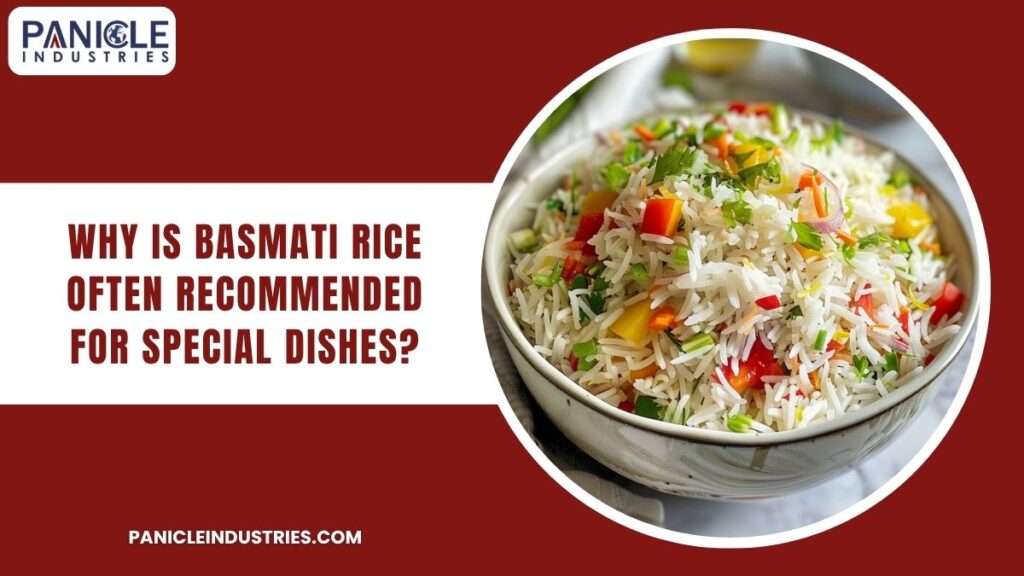
When it comes to special meals—whether it’s a festive biryani, a wedding pulao, or a rich celebratory dinner—one ingredient shows up again and again: basmati rice. It is not just tradition. There are clear, practical reasons why chefs, home cooks, and food experts consistently prefer it.
So, why is basmati rice often recommended for special dishes?
The answer lies in a combination of aroma, texture, cooking behavior, cultural value, and even food science. In this guide, we will break down each factor in a clear, practical way so you understand exactly what makes basmati rice stand out—and when it truly makes a difference.
What Makes Basmati Rice Unique?
Before diving into special dishes, it helps to understand what sets basmati rice apart from other varieties.
Basmati rice is a long-grain aromatic rice primarily grown in India and Pakistan. It belongs to a unique category of rice that offers both fragrance and structure.
Key Characteristics
- Long, slender grains
- Distinct natural aroma
- Fluffy, non-sticky texture
- Grain elongation during cooking
According to the Agricultural and Processed Food Products Export Development Authority (APEDA), basmati rice can expand up to twice its original length when cooked. This feature alone makes it visually appealing for premium dishes.
Also read: Steam Rice vs Raw Rice
Why Is Basmati Rice Often Recommended For Special Dishes?
Aroma: The First Thing People Notice
One of the strongest reasons why basmati rice is often recommended for special dishes is its aroma.
The Science Behind the Fragrance
Basmati rice contains a natural compound called 2-acetyl-1-pyrroline. This compound also appears in freshly baked bread and roasted foods. It creates a warm, nutty, slightly popcorn-like scent.
This aroma becomes more noticeable during cooking and fills the entire kitchen.
Why Aroma Matters in Special Dishes?
Special dishes often aim to impress before the first bite. Aroma plays a key role in that experience.
- Enhances appetite
- Signals quality
- Elevates the overall dining experience
In dishes like biryani or pulao, the fragrance of basmati rice blends with spices to create a layered sensory experience.
Texture: Fluffy and Non-Sticky Perfection
Texture can make or break a dish. This is where basmati rice truly shines.
How Basmati Rice Cooks?
- Grains remain separate
- Texture stays light and fluffy
- No clumping or stickiness
This happens because basmati rice contains less amylopectin (a type of starch responsible for stickiness) compared to shorter-grain rice varieties.
Why This Texture Works for Special Dishes?
In dishes like biryani:
- Each grain should remain separate
- Spices should coat the rice evenly
- The dish should not feel heavy or mushy
Basmati rice delivers exactly that.
Grain Length and Visual Appeal
Presentation matters, especially in special dishes.
Elongation During Cooking
Unlike most rice types that expand in width, basmati rice expands in length. This creates:
- Elegant, long grains
- A premium look
- Better plating presentation
Why Visual Appeal Matters?
Special dishes often appear at celebrations, gatherings, or events. People eat with their eyes first.
Long, separate grains give dishes a refined and high-quality appearance.
Flavor Absorption Without Overpowering
Another reason why basmati rice is often recommended for special dishes is its ability to balance flavor.
Neutral Yet Supportive Flavor
Basmati rice has a mild, slightly nutty taste. It does not overpower the dish.
Excellent Flavor Absorption
At the same time, it absorbs spices, oils, and broths effectively.
This combination allows:
- Spices to shine
- Balanced flavor distribution
- Consistent taste in every bite
In complex dishes like biryani, this balance is essential.
Cooking Control and Predictability
Special dishes often require precision. Basmati rice offers better control during cooking.
Key Cooking Advantages
- Less risk of overcooking
- Grains hold structure even after long cooking
- Works well with layered cooking methods
Importance in Complex Recipes
Dishes like biryani involve multiple steps:
- Partial cooking
- Layering with meat or vegetables
- Final steaming (dum cooking)
Basmati rice holds its shape throughout this process, which prevents the dish from becoming mushy.
Cultural and Traditional Significance
Food is not just about taste. It carries tradition and emotion.
Role of Basmati Rice in Culture
Basmati rice has deep roots in South Asian and Middle Eastern cuisines. It is commonly used in:
- Weddings
- Festivals
- Religious celebrations
Why Tradition Matters
People associate basmati rice with:
- Celebration
- Quality
- Hospitality
Using basmati rice in special dishes is not just a cooking choice—it is a cultural expectation in many regions.
Aging Process: A Hidden Advantage
Not many people realize that high-quality basmati rice is often aged.
What Happens During Aging?
- Moisture content decreases
- Grains become firmer
- Aroma intensifies
According to agricultural research and industry standards, aged basmati rice cooks better and produces longer, more separate grains.
Why This Matters
Aged rice:
- Improves texture
- Enhances flavor
- Reduces stickiness
This makes it ideal for premium dishes.
Nutritional Considerations
While nutrition may not be the primary reason for choosing basmati rice in special dishes, it still plays a role.
Key Points
- Lower glycemic index compared to many white rice types
- Provides carbohydrates for energy
- Contains small amounts of protein
Research referenced by the Harvard T.H. Chan School of Public Health indicates that lower GI foods may help with better blood sugar control.
Why Other Rice Types Fall Short for Special Dishes?
Understanding alternatives helps clarify why basmati stands out.
Short-Grain Rice
- Too sticky
- Lacks separation
- Not ideal for layered dishes
Medium-Grain Rice (e.g., Sona Masoori)
- Softer texture
- Slight clumping
- Better for daily meals, not premium presentation
Jasmine Rice
- Aromatic but more moist and sticky
- Better suited for Southeast Asian dishes
Each type has its place—but for structured, aromatic, and visually refined dishes, basmati remains the top choice.
Common Mistakes When Using Basmati Rice
Even the best rice can disappoint if handled incorrectly.
1. Skipping the Rinse
Rinsing removes excess surface starch and improves grain separation.
2. Not Soaking the Rice
Soaking for 20–30 minutes helps grains elongate properly.
3. Using Too Much Water
Excess water can make even basmati rice soft and sticky.
4. Overcooking
Precision matters. Overcooking reduces texture quality.
When You Should Not Use Basmati Rice?
Basmati rice works best for specific dishes. It is not always the right choice.
Avoid Using It For:
- Sticky rice dishes
- Sushi-style recipes
- Creamy rice preparations
In these cases, other rice types perform better.
Final Verdict
So, why is basmati rice often recommended for special dishes?
Because it delivers everything that premium cooking demands:
- Exceptional aroma
- Fluffy, non-sticky texture
- Elegant long grains
- Balanced flavor absorption
- Reliable cooking performance
- Cultural significance
It enhances both the taste and presentation of a dish without overpowering other ingredients.
That is why chefs trust it. That is why traditional recipes depend on it. And that is why basmati rice continues to define special meals across cultures.