
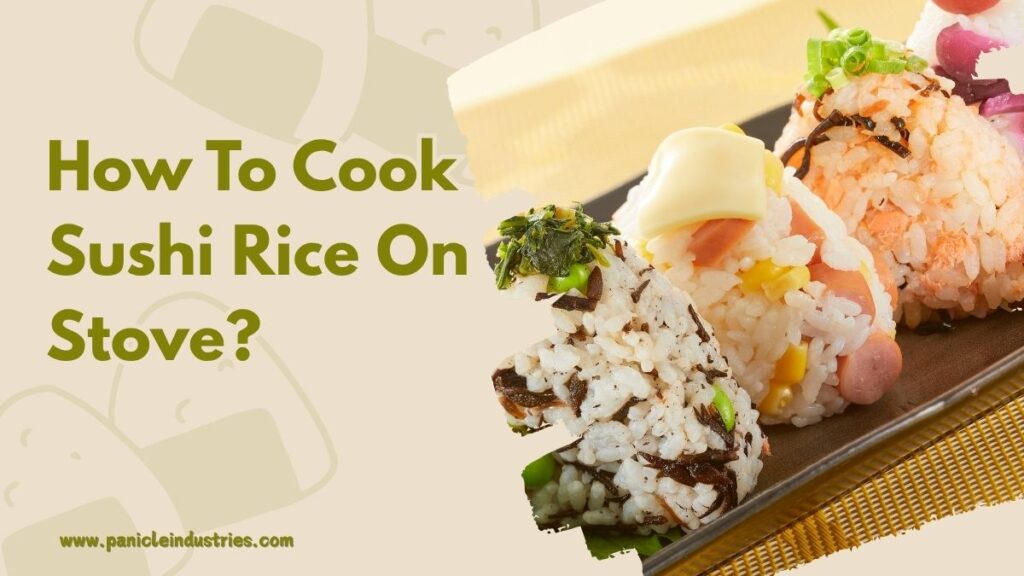
Sushi looks simple, but anyone who has tried making it at home knows the truth—the rice makes or breaks the dish. You can use fresh fish, perfect nori, and sharp knives, but if the rice feels dry, mushy, or bland, the result falls flat.
The good news? You do not need a rice cooker or professional tools to get it right.
In this guide, you will learn how to cook sushi rice on stove using clear, practical steps that actually work. We will cover everything—from choosing the right rice to seasoning it properly—so you can achieve that soft, slightly sticky, glossy texture sushi demands.
What Is Sushi Rice?
Sushi rice is not just regular rice. It refers to short-grain Japanese rice that becomes slightly sticky when cooked and is then seasoned with a mixture of vinegar, sugar, and salt.
Why Sushi Rice Is Different
Sushi rice contains a higher amount of amylopectin, a type of starch that helps the grains stick together. According to food science research, this starch structure creates the cohesive texture needed for sushi rolls.
However, the stickiness should feel controlled—not mushy or glue-like.
Also read: How To Cook Sticky Rice On Stove?
Choosing the Right Rice for Sushi
Before you start cooking, you must choose the correct rice. This step alone determines at least 50% of your final result.
Best Rice for Sushi
- Japanese short-grain rice
- Medium-grain rice labeled as “sushi rice”
What to Avoid
- Basmati rice (too dry and separate)
- Long-grain rice (does not stick properly)
- Sticky/glutinous rice (too dense and heavy)
Why This Matters
Sushi requires rice that:
- Holds shape when pressed
- Feels soft but not mushy
- Absorbs seasoning evenly
Using the wrong rice will not give you authentic results, no matter how well you cook it.
Essential Ingredients and Tools
You do not need professional equipment, but a few basics help.
Ingredients
- 1 cup sushi rice
- 1.25 cups water
- 2 tablespoons rice vinegar
- 1 tablespoon sugar
- 1 teaspoon salt
Tools
- Medium pot with tight lid
- Fine mesh strainer
- Wooden spoon or spatula
- Large bowl
Simple setup, excellent results.
How to Cook Sushi Rice on Stove?
Now let’s go through the process step by step.
Step 1: Rinse the Rice Thoroughly
Place the rice in a bowl and rinse it under cold water.
- Wash 4–5 times
- Gently swirl with your hand
- Drain until water looks almost clear
Why Rinsing Is Important
Rinsing removes excess surface starch. Without this step, the rice becomes overly sticky and clumpy.
Step 2: Soak the Rice
After rinsing, soak the rice in water for 20–30 minutes.
What Soaking Does
- Hydrates the grains evenly
- Improves texture
- Helps rice cook more consistently
Many people skip this step, but it makes a noticeable difference.
Step 3: Drain Properly
After soaking:
- Drain the rice completely
- Let it sit for 5 minutes
Removing excess water ensures proper cooking ratio.
Step 4: Add Rice and Water to the Pot
Transfer rice to your pot and add fresh water.
- Use a 1:1.25 ratio (rice to water)
This ratio works well for stovetop cooking.
Step 5: Bring to a Boil
Place the pot on medium heat.
- Let water come to a gentle boil
- Do not stir during this stage
Stirring can break grains and affect texture.
Step 6: Simmer on Low Heat
Once boiling begins:
- Reduce heat to low
- Cover with a tight lid
Let it cook for 10–12 minutes.
Step 7: Let It Rest
Turn off the heat and let the rice sit covered for 10 minutes.
Why Resting Matters
Steam finishes the cooking process and stabilizes the texture.
Preparing Sushi Vinegar Seasoning
Sushi rice gets its signature flavor from seasoning.
Ingredients for Seasoning
- Rice vinegar
- Sugar
- Salt
How to Prepare
- Warm the vinegar slightly
- Dissolve sugar and salt completely
Do not boil the mixture. Gentle warming is enough.
Mixing and Seasoning the Rice
This step transforms plain rice into sushi rice.
Step-by-Step Process
- Transfer cooked rice to a wide bowl
- Pour seasoning evenly over the rice
- Gently fold the rice using a spatula
Important Tips
- Do not mash or press the rice
- Use slicing and folding motions
- Let steam escape while mixing
Cooling the Rice
Traditionally, chefs fan the rice while mixing. This gives it a glossy finish and improves texture.
At home, you can:
- Let it cool naturally
- Or gently fan it for better results
Key Tips for Perfect Sushi Rice
Small details create big differences.
Maintain the Right Texture
Sushi rice should be:
- Soft but not mushy
- Sticky but not clumpy
Use the Right Ratio
Too much water leads to mushy rice. Too little makes it dry.
Avoid Overmixing
Overmixing breaks grains and ruins texture.
Common Mistakes to Avoid
1. Skipping the Rinse
This leads to overly sticky and gummy rice.
2. Using Incorrect Rice
Long-grain rice will not hold shape properly.
3. Adding Too Much Water
This creates mushy texture.
4. Mixing Too Aggressively
Gentle handling is key.
How to Use Sushi Rice?
Once ready, sushi rice becomes the base for many dishes.
Popular Uses
- Sushi rolls (maki)
- Nigiri
- Poke bowls
- Rice bowls
Its balanced flavor works with both seafood and vegetables.
Nutritional Overview
Sushi rice provides:
- Carbohydrates for energy
- Small amounts of protein
- Low fat content
According to USDA FoodData Central, one cup of cooked white rice contains around 200 calories.
Important Note
Seasoned sushi rice contains added sugar and vinegar, so portion control matters.
Storage and Reheating Tips
Sushi rice tastes best fresh, but you can store it if needed.
Storage
- Keep in airtight container
- Refrigerate for up to 24 hours
Reheating
- Sprinkle water lightly
- Cover and heat gently
Avoid overheating, as it dries out the rice.
Why Stovetop Cooking Works Well?
Many people assume rice cookers are necessary. They are helpful, but not essential.
Advantages of Stovetop Method
- Full control over heat
- Simple equipment
- Consistent results with practice
Once you understand the process, stovetop cooking becomes easy and reliable.
Final Thoughts
Learning how to cook sushi rice on stove is a valuable kitchen skill. It does not require expensive tools or complicated techniques—just attention to detail and the right approach.
Focus on these essentials:
- Use the correct rice
- Rinse and soak properly
- Control water and heat
- Season gently and evenly
Once you master these steps, your sushi rice will consistently turn out soft, balanced, and ready for any dish.
Good sushi starts with great rice. And now, you know exactly how to make it.