
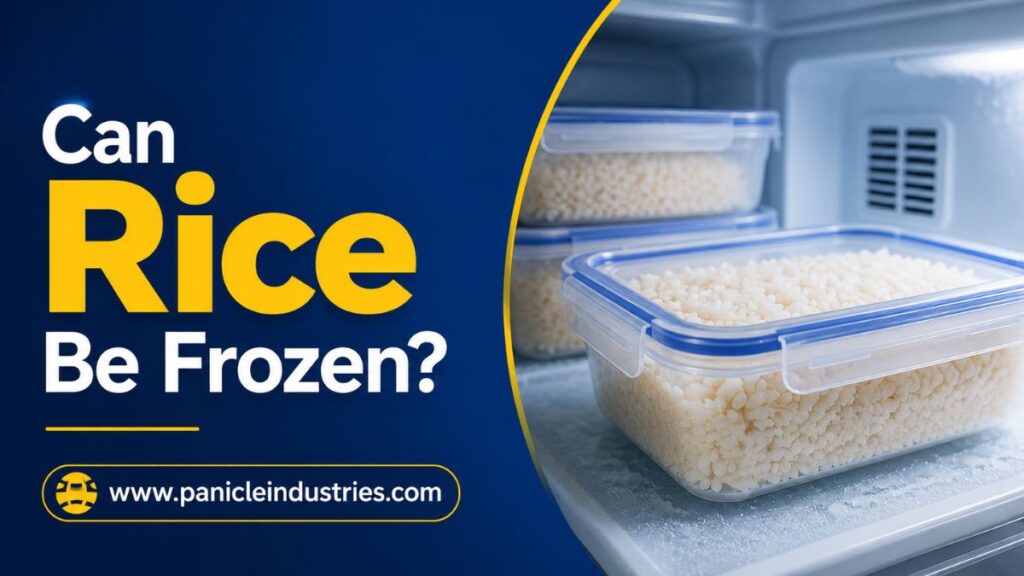
Rice is one of the most widely consumed foods in the world. From simple home-cooked meals to elaborate dishes like biryani, fried rice, and pulao, rice plays an important role in countless kitchens. However, many people often cook more rice than they need. Instead of throwing away leftovers, a common question arises: can rice be frozen?
The short answer is yes. Rice freezes surprisingly well and can remain safe, delicious, and convenient when stored properly. In fact, freezing rice has become a popular meal-prep strategy among busy families, students, and professional cooks.
However, simply placing a container of rice into the freezer is not always enough. The way you cool, package, freeze, and reheat rice affects its quality, texture, and food safety.
In this blog, you’ll learn everything you need to know about freezing rice, including which types freeze best, how long frozen rice lasts, proper storage methods, common mistakes to avoid, and expert tips for maintaining freshness.
Can Rice Be Frozen?
Yes, both cooked and uncooked rice can be frozen.
Freezing helps preserve rice for future use and reduces food waste. When done correctly, frozen rice can maintain much of its original taste and texture.
Many people assume rice becomes mushy or loses quality after freezing. While improper storage can cause texture issues, properly frozen rice often tastes nearly identical to freshly cooked rice.
Whether you’re storing leftover dinner, preparing meals in advance, or buying rice in bulk, freezing can be an effective solution.
Also read: How Long Does Cooked Rice Last Without Refrigeration
Why People Freeze Rice?
Freezing rice offers several practical benefits.
Reduces Food Waste
Millions of tons of food are wasted every year. Leftover rice is often discarded because people are unsure how to store it safely.
Freezing allows you to save extra portions for later meals instead of throwing them away.
Saves Time
Cooking rice every day can be time-consuming.
Many households prepare large batches and freeze portions for:
- Weeknight dinners
- Lunch boxes
- Meal prep plans
- Quick side dishes
Having frozen rice ready to use can significantly reduce cooking time.
Preserves Freshness
When stored properly, freezing slows down spoilage and helps preserve flavor and texture.
This is especially useful for households that cook rice regularly.
Can Uncooked Rice Be Frozen?
Many people focus on freezing cooked rice, but uncooked rice can also be frozen.
Benefits of Freezing Dry Rice
Although dry rice already has a long shelf life, freezing can provide extra protection against:
- Rice weevils
- Pantry pests
- Moisture exposure
- Temperature fluctuations
This method works particularly well for:
- White rice
- Basmati rice
- Jasmine rice
- Long-grain rice
How to Freeze Uncooked Rice
Follow these simple steps:
- Place dry rice in an airtight freezer-safe container.
- Remove as much air as possible.
- Label the container with the date.
- Store in the freezer.
Because uncooked rice contains very little moisture, freezing generally has minimal impact on quality.
Can Cooked Rice Be Frozen?
Cooked rice is actually the type most people freeze.
The key is to freeze it quickly after cooking.
Why Timing Matters
Rice can develop harmful bacteria if left at room temperature for extended periods.
One particular concern is Bacillus cereus, a bacteria commonly associated with rice.
After cooking:
- Cool rice promptly.
- Refrigerate or freeze within two hours.
- Avoid leaving rice on the counter all day.
Proper handling greatly reduces food safety risks.
Best Types of Rice for Freezing
Not all rice varieties behave exactly the same after freezing.
White Rice
White rice freezes exceptionally well.
This includes:
- Long-grain rice
- Medium-grain rice
- Short-grain rice
After reheating, white rice often retains its original texture.
Basmati Rice
Basmati rice is one of the best candidates for freezing.
Its long grains remain separate and fluffy after reheating.
This makes it ideal for:
- Biryani
- Pulao
- Fried rice
- Curry dishes
Jasmine Rice
Jasmine rice also freezes effectively.
Its slightly sticky texture remains pleasant after thawing and reheating.
Brown Rice
Brown rice can be frozen successfully, although its higher oil content may slightly affect long-term storage quality.
It still performs well for meal prep and future meals.
How to Freeze Cooked Rice Properly?
Proper freezing techniques help preserve quality.
Step 1: Cool the Rice Quickly
Spread freshly cooked rice on a baking tray or large plate.
This helps heat escape faster.
Avoid leaving rice at room temperature for long periods.
Step 2: Divide into Portions
Separate rice into meal-sized portions.
This makes reheating easier and prevents unnecessary waste.
Step 3: Use Freezer-Safe Packaging
Good options include:
- Freezer bags
- Airtight containers
- Vacuum-sealed bags
Removing excess air helps prevent freezer burn.
Step 4: Label Everything
Always include:
- Date frozen
- Rice type
This helps maintain proper rotation and food safety.
How Long Can Rice Stay Frozen?
Frozen rice can remain safe for extended periods.
Cooked Rice
Best quality:
- 1 to 3 months
Still safe beyond this period if stored properly, although texture may gradually decline.
Uncooked Rice
Best quality:
- Up to 12 months or longer
Because dry rice contains little moisture, it remains stable for extended periods.
Does Freezing Change the Texture?
This is one of the most common concerns.
What Happens During Freezing?
Water inside the rice forms ice crystals.
If rice is frozen improperly, these crystals can affect texture.
However, when frozen quickly and stored correctly, texture changes are usually minimal.
Rice Types That Hold Up Best
Excellent:
- Basmati rice
- White long-grain rice
- Jasmine rice
Good:
- Brown rice
- Medium-grain rice
Most people notice little difference after proper reheating.
How to Reheat Frozen Rice?
Reheating correctly is just as important as freezing correctly.
Microwave Method
This is the fastest option.
Steps:
- Place frozen rice in a microwave-safe bowl.
- Add one tablespoon of water.
- Cover loosely.
- Heat for 2–4 minutes.
The added moisture helps restore softness.
Stovetop Method
Place rice in a pan with a small amount of water.
Cover and heat gently while stirring occasionally.
Steaming Method
Steaming produces excellent results.
The steam restores moisture and keeps grains fluffy.
Common Mistakes to Avoid
Many freezing issues result from simple mistakes.
Freezing Hot Rice Immediately
Placing very hot rice into the freezer can create excess condensation.
This may affect texture.
Cool rice first.
Using Poor Packaging
Thin containers or loosely sealed bags allow freezer burn.
Always use airtight packaging.
Reheating Multiple Times
Repeated freezing and reheating can affect quality and increase food safety concerns.
Freeze in small portions instead.
Storing Too Long
Even frozen foods eventually lose quality.
Use rice within recommended storage periods.
Is Frozen Rice Safe to Eat?
Yes, frozen rice is safe when handled properly.
Food safety depends on:
- Rapid cooling
- Proper freezing
- Safe reheating
Rice should reach a steaming-hot temperature during reheating.
This helps eliminate potential bacterial concerns.
Can Rice Be Frozen With Other Ingredients?
Many prepared rice dishes freeze successfully.
Examples include:
- Vegetable rice
- Fried rice
- Biryani
- Rice casseroles
- Pilaf
Dishes That Freeze Well
Meals with moderate moisture generally maintain good texture.
Dishes That May Change Texture
Rice combined with cream-based sauces may experience slight texture changes after thawing.
However, they often remain perfectly enjoyable.
Meal Prep Benefits of Freezing Rice
Meal prep has become increasingly popular.
Frozen rice makes meal planning easier because it:
- Saves cooking time
- Reduces cleanup
- Minimizes food waste
- Supports portion control
Many athletes, professionals, and busy families rely on frozen rice as part of their weekly meal routine.
Expert Tips for Better Frozen Rice
Want restaurant-quality results after freezing?
Try these tips:
Freeze Rice Fresh
The fresher the rice, the better the final result.
Use Flat Freezer Bags
Flattening bags saves freezer space and speeds thawing.
Add Moisture During Reheating
A splash of water prevents dryness.
Label Portions Clearly
Knowing what you stored and when helps maintain quality.
Avoid Overcooking Before Freezing
Slightly firmer rice often reheats better than overly soft rice.
Environmental Benefits of Freezing Rice
Freezing rice can also support sustainability.
Reducing food waste helps:
- Lower household food expenses
- Reduce environmental impact
- Improve resource efficiency
Considering the water, energy, and labor involved in growing rice, using every portion wisely benefits both households and the environment.
Conclusion
So, can rice be frozen? Absolutely. Both cooked and uncooked rice freeze remarkably well when stored correctly. Freezing offers a convenient way to reduce food waste, save time, and keep meals ready for busy days.
The key to success lies in proper handling. Cool cooked rice quickly, use airtight packaging, freeze in portions, and reheat thoroughly before serving. White rice, Basmati rice, Jasmine rice, and even brown rice can all maintain excellent quality in the freezer.
Whether you’re meal prepping for the week, preserving leftovers, or storing rice purchased in bulk, freezing is a practical and effective solution. With the right techniques, frozen rice can taste almost as fresh as the day it was cooked.