
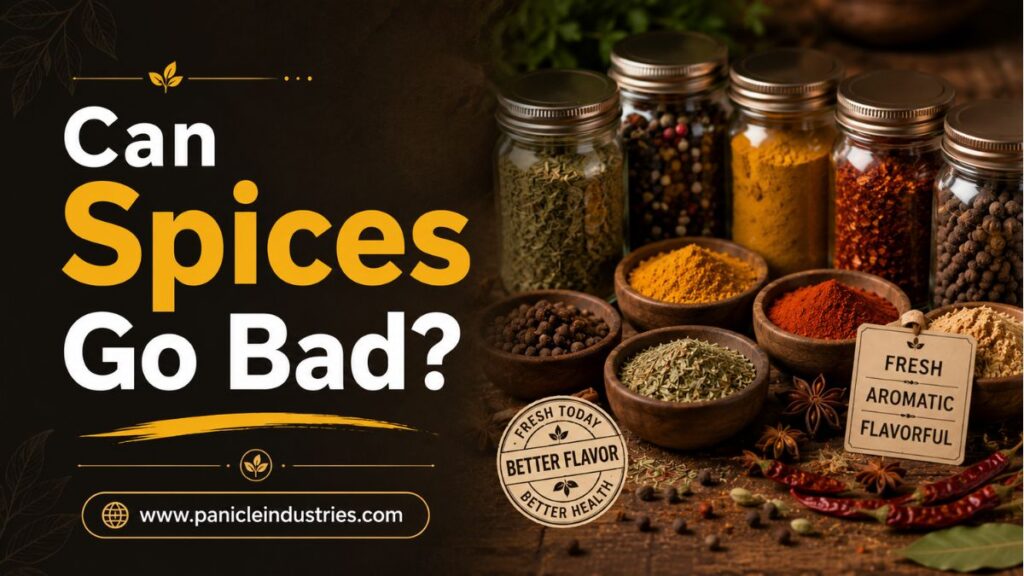
Spices are an essential part of every kitchen. They add flavor, aroma, color, and depth to your favorite dishes. Whether you enjoy cooking Indian curries, grilling meat, baking desserts, or preparing soups, spices help transform simple ingredients into delicious meals. However, many people wonder, can spices go bad? If you have a spice rack filled with jars that have been sitting for years, you’re not alone.
The good news is that most dried spices do not spoil in the same way fresh foods do. They usually do not become unsafe to eat if stored properly. Instead, they gradually lose their flavor, aroma, and potency over time. Using old spices may not make you sick, but they can make your food taste bland and less enjoyable.
In this blog guide, you’ll learn how long different spices last, how to tell if they’ve gone bad, the best storage practices, and when it’s time to replace them.
Can Spices Go Bad?
The simple answer is yes, but not always in the way people expect.
Unlike fresh herbs or vegetables, dried spices have very little moisture. This makes it difficult for bacteria and mold to grow under normal storage conditions. However, spices naturally lose their essential oils over time. These oils are responsible for their flavor and aroma.
As spices age, they become weaker. While they may still be safe to use, they won’t provide the same taste or fragrance that fresh spices do.
The shelf life depends on several factors, including:
- Whether the spice is whole or ground
- Storage conditions
- Exposure to heat, moisture, air, and sunlight
- Packaging quality
Proper storage can significantly extend the life of your spices.
Also read: How Do I Choose the Best Cumin Seeds for Cooking?
Why Do Spices Lose Their Quality?
Spices contain natural oils that give them their distinctive taste and smell. These oils slowly evaporate and break down over time.
Several factors speed up this process.
Heat
High temperatures cause essential oils to evaporate more quickly. Keeping spices near the stove or oven can shorten their lifespan.
Light
Direct sunlight breaks down flavor compounds. Clear jars placed on open shelves often lose quality faster.
Air
Every time you open a spice container, oxygen enters. Continuous exposure to air causes spices to oxidize, reducing their strength.
Moisture
Humidity can cause spices to clump together and, in some cases, encourage mold growth.
Shelf Life of Common Spices
Although every spice is different, these are general guidelines.
Whole Spices
Whole spices keep their flavor much longer because their protective outer layer preserves the essential oils.
Examples include:
- Cinnamon sticks
- Whole cloves
- Cardamom pods
- Peppercorns
- Nutmeg
- Whole cumin seeds
Average shelf life: 3 to 4 years
Ground Spices
Ground spices have more surface area exposed to air, so they lose flavor faster.
Examples include:
- Turmeric powder
- Ground cumin
- Chili powder
- Paprika
- Ground coriander
- Garlic powder
Average shelf life: 2 to 3 years
Dried Herbs
Leafy herbs tend to lose their aroma faster than most spices.
Examples include:
- Oregano
- Basil
- Thyme
- Parsley
- Rosemary
Average shelf life: 1 to 3 years
These are general estimates. Proper storage can help maintain quality for longer.
How to Tell If Your Spices Have Gone Bad?
Many people rely on expiration dates alone. However, your senses are often a better guide.
1. Smell the Spice
Fresh spices have a strong, pleasant aroma.
If you can barely smell anything after opening the container, the spice has probably lost most of its flavor.
2. Check the Color
Bright colors usually indicate freshness.
For example:
- Paprika should appear rich red.
- Turmeric should have a vibrant golden-yellow color.
- Chili powder should look deep red.
A faded appearance often means the spice is old.
3. Taste a Small Amount
Rub a little between your fingers and taste it carefully.
If the flavor is weak or dull, replacing it is usually the better choice.
4. Look for Signs of Moisture
Throw away spices immediately if you notice:
- Mold
- Wet clumps
- Insects
- Strange discoloration
- An unusual odor
These signs indicate contamination rather than simple aging.
Can Expired Spices Make You Sick?
In most cases, expired spices are not dangerous.
If stored in a cool, dry place, they simply lose their flavor over time.
However, spices can become unsafe if they have been exposed to moisture or contaminated during storage.
Discard spices if you notice:
- Mold growth
- Pest infestation
- Water damage
- Sour or unpleasant smells
People with weakened immune systems should be especially careful when using very old or contaminated spices.
Best Ways to Store Spices
Proper storage is the easiest way to extend spice shelf life.
Keep Them in Airtight Containers
Glass jars with tight-fitting lids work well. They help keep moisture and air away from the spices.
Store in a Cool, Dry Place
Choose a cabinet away from:
- The stove
- Dishwasher
- Oven
- Sink
- Direct sunlight
Kitchen cupboards often provide better protection than open shelves.
Avoid Shaking Over Hot Food
Many people shake spices directly over steaming pots.
This allows moisture to enter the container.
Instead:
- Measure the spice into a spoon.
- Add it to your recipe.
- Close the container immediately.
Buy Smaller Quantities
Buying huge containers may save money initially, but spices often lose quality before you finish them.
Smaller containers help ensure fresher flavor.
Whole Spices vs Ground Spices?
Whole spices generally outperform ground spices in both shelf life and flavor.
Whole Spices
Advantages
- Longer shelf life
- Stronger aroma
- Better flavor retention
- Freshly ground when needed
Disadvantages
- Require a grinder or mortar and pestle
- Slightly more preparation time
Ground Spices
Advantages
- Convenient
- Ready to use
- Faster cooking
Disadvantages
- Lose flavor sooner
- Shorter shelf life
If you cook frequently, buying whole spices and grinding small amounts yourself can noticeably improve the taste of your dishes.
Should You Follow Expiration Dates?
Manufacturers usually print either a “Best By” or “Best Before” date.
These dates mainly indicate peak quality, not food safety.
If a spice is slightly past its best-by date but still smells strong and looks fresh, it’s usually fine to use.
On the other hand, if it has lost its aroma or shows signs of contamination, replacing it is the safer choice regardless of the printed date.
Tips to Keep Your Spice Collection Fresh
A little maintenance can help your spices stay flavorful for years.
Here are some practical habits:
- Label containers with the purchase date.
- Replace ground spices every two to three years.
- Replace dried herbs every one to three years.
- Keep lids tightly closed after every use.
- Avoid using wet spoons.
- Store spices away from sunlight.
- Organize older spices toward the front so you use them first.
- Clean your spice cabinet regularly.
These simple steps can help preserve flavor and reduce unnecessary waste.
Common Myths About Spices
Myth 1: Expired Means Unsafe
Not necessarily. Most dried spices become less flavorful rather than unsafe.
Myth 2: Freezing Spices Makes Them Last Forever
Freezing may help in some situations, but repeated thawing can introduce moisture and reduce quality.
Myth 3: Refrigeration Is Always Better
Refrigerators often contain moisture that can shorten the life of spices if containers are not perfectly sealed.
When Is It Time to Replace Your Spices?
Consider replacing spices when:
- The aroma is barely noticeable.
- The flavor has become weak.
- The color has faded significantly.
- Moisture has entered the container.
- Mold or insects are present.
- The spice has been stored improperly for a long time.
Fresh spices make a noticeable difference in both everyday cooking and special recipes.
Conclusion
So, can spices go bad? Yes, but they usually don’t spoil like fresh foods. Instead, they gradually lose their aroma, flavor, and color as their natural oils break down over time. Most properly stored dried spices remain safe to use long after their best-by date, though they may no longer deliver the rich taste your recipes deserve.
By storing spices in airtight containers, keeping them away from heat, light, air, and moisture, and replacing them when they lose their potency, you can enjoy fresher, more flavorful meals every time you cook. A quick smell, taste, and visual check are often all you need to decide whether it’s time to refresh your spice collection.
Frequently Asked Questions
1. Can spices go bad after the expiration date?
Most spices stay safe after the best-by date if stored properly. They gradually lose aroma and flavor, so replacing weak spices improves cooking results.
2. How can I tell if spices are no longer good?
Check the aroma, color, and flavor. If a spice smells weak, looks faded, or has mold, moisture, or insects, it should be discarded immediately.
3. Is it safe to use old spices in cooking?
Old spices are usually safe when stored correctly, but they may lack flavor. Discard any spice showing mold, pests, or signs of contamination.
4. Do whole spices last longer than ground spices?
Yes. Whole spices protect their natural oils better, helping them retain flavor and aroma much longer than ground spices when stored properly.
5. What is the best way to store spices?
Store spices in airtight containers in a cool, dark, and dry cupboard away from heat, sunlight, and moisture to maximize freshness and shelf life.