
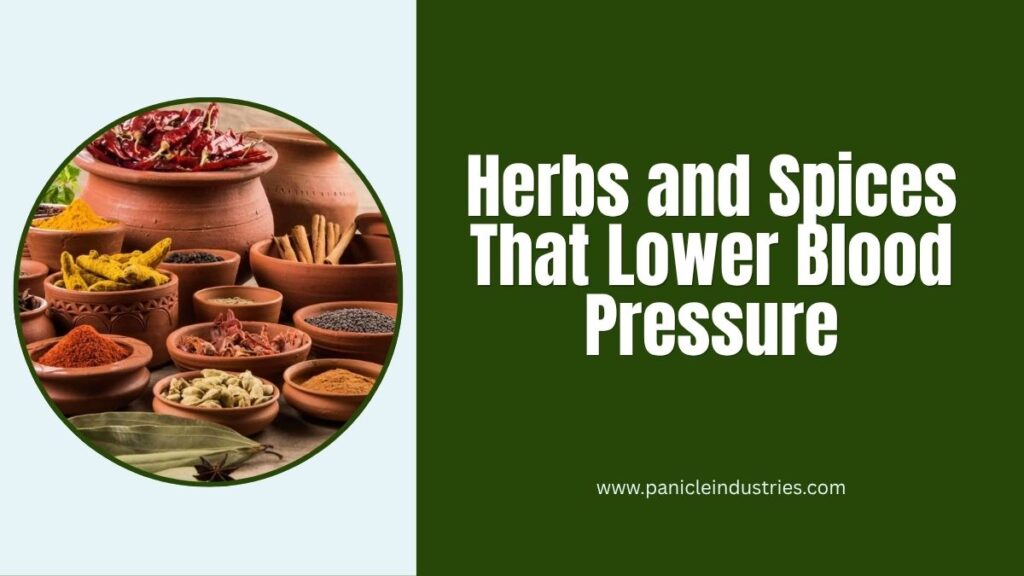
High blood pressure, also called hypertension, is one of the most common health concerns worldwide. According to the World Health Organization, more than 1.2 billion adults aged 30–79 live with hypertension, and many do not even know they have it. That makes blood pressure management more important than ever.
Medication is often necessary, and no herb can replace professional medical treatment. However, diet and lifestyle choices play a major role in supporting heart health. This is where natural ingredients found in your kitchen become surprisingly interesting.
Many people search for herbs and spices that lower blood pressure because they want practical, everyday ways to support healthier habits. While these ingredients are not magic powders from a wizard’s pantry, some have been studied for their potential effects on circulation, inflammation, sodium balance, and vascular health.
This guide explores the most researched herbs and spices, how they may help, and how to use them wisely.
Why Diet Matters for Blood Pressure Control?
Blood pressure responds to more than stress and genetics. Food choices strongly influence how the body manages sodium, potassium, blood vessel function, and inflammation.
The American Heart Association recommends reducing sodium intake, eating more potassium-rich foods, and following heart-friendly patterns like the DASH diet. One smart way to reduce sodium naturally is simple: replace excess salt with flavorful herbs and spices.
That shift improves taste and supports better habits. Your food gets more flavor, and your heart sends a polite thank-you note.
Lifestyle factors that help include:
- Reducing processed foods
- Eating more fruits and vegetables
- Limiting excess alcohol
- Staying physically active
- Managing weight
- Improving sleep quality
Herbs and spices work best as part of this bigger picture.
Also read: Recipes That Feature Roasted Coriander Seeds as a Key Ingredient
Herbs and Spices That Lower Blood Pressure
Let’s look at the most commonly discussed herbs and spices that lower blood pressure and what research suggests about them.
Garlic
Garlic is one of the most studied natural ingredients for heart health. It contains sulfur compounds like allicin, which may help relax blood vessels and improve circulation.
Some studies suggest garlic supplementation may help reduce both systolic and diastolic blood pressure, especially in people with hypertension.
Ways to use it:
- Fresh garlic in cooking
- Roasted garlic spreads
- Garlic added to soups and vegetables
Important note: garlic supplements can interact with blood thinners, so medical guidance matters.
Cinnamon
Cinnamon is often associated with desserts, but it also appears in research related to blood sugar and cardiovascular health.
Some evidence suggests regular cinnamon intake may help support lower blood pressure, particularly when combined with broader dietary improvements.
Easy uses include:
- Oatmeal
- Smoothies
- Yogurt
- Herbal tea blends
Just avoid turning cinnamon into an excuse for eating six cinnamon rolls. Science has limits.
Basil
Basil contains compounds like eugenol, which may support blood vessel relaxation. Fresh basil is especially useful because it adds flavor without added sodium.
While more human studies are needed, basil remains a smart low-salt flavor option for heart-friendly meals.
Try it in:
- Pasta sauces
- Salads
- Soups
- Sandwiches
Cardamom
Cardamom has been studied for antioxidant effects and possible blood pressure benefits. Some small studies suggest regular use may help improve circulation and support healthier readings.
It also smells like your kitchen suddenly became much more sophisticated.
Use it in:
- Tea
- Rice dishes
- Smoothies
- Warm milk drinks
Ginger
Ginger supports circulation and may help relax blood vessels. Some research links ginger consumption with better cardiovascular markers, especially when used regularly in balanced diets.
Popular uses:
- Ginger tea
- Stir-fries
- Soups
- Fresh juice blends
Turmeric
Turmeric contains curcumin, known for anti-inflammatory properties. Chronic inflammation can contribute to cardiovascular problems, so turmeric often enters the blood pressure conversation.
It may not directly “fix” hypertension, but it supports broader heart health.
Use it in:
- Curries
- Golden milk
- Lentil dishes
- Roasted vegetables
Parsley
Parsley is often treated like decoration, but nutritionally, it deserves more respect.
It contains potassium and antioxidants that may support circulation and healthy blood vessel function.
Add it to:
- Soups
- Grain bowls
- Omelets
- Fresh salads
Oregano
Oregano contains compounds with antioxidant activity and adds strong flavor, making it helpful for reducing salt-heavy seasoning habits.
Less salt, more oregano—your roasted vegetables improve immediately.
Thyme
Thyme contains rosmarinic acid and other plant compounds associated with inflammation control and circulation support.
It works well in:
- Chicken dishes
- Roasted potatoes
- Beans
- Mediterranean recipes
Cayenne Pepper
Cayenne contains capsaicin, which may support blood vessel function and circulation. It should be used carefully, especially for people sensitive to spicy foods.
A little goes a long way. This is blood pressure support, not a fire challenge.
How These Ingredients Actually Help?
Herbs and spices do not lower blood pressure through one single mechanism. Their benefits usually come from several small effects working together.
These may include:
Supporting Blood Vessel Relaxation
Some compounds help blood vessels stay more flexible, which improves circulation.
Reducing Inflammation
Chronic inflammation can contribute to cardiovascular strain.
Replacing Excess Salt
This may be the biggest hidden benefit. Using herbs instead of heavy salt improves blood pressure management naturally.
Providing Antioxidants
Antioxidants help protect cells from oxidative stress, which affects heart and vascular health.
The keyword here is consistency. Adding basil once in March will not transform your health story.
Best Ways to Use Herbs and Spices Safely
Natural does not automatically mean harmless. Even kitchen ingredients can affect medications, digestion, or allergies when used in large amounts or supplement form.
Food First Is Usually Best
Using herbs in normal cooking is safer than jumping directly into concentrated supplements.
Watch for Medication Interactions
Garlic, ginger, and turmeric may affect blood thinners or blood pressure medication responses.
Avoid Extreme Claims
If someone says parsley tea will replace your prescription medication, step away slowly.
Talk to Your Doctor
Especially if you already take medication for hypertension, professional advice matters.
Health decisions deserve better than internet myths.
Simple Daily Habits That Support Better Blood Pressure
Herbs help most when paired with sustainable habits.
Good daily practices include:
- Cooking more meals at home
- Reading sodium labels carefully
- Walking regularly
- Managing caffeine wisely
- Drinking enough water
- Sleeping consistently
- Reducing chronic stress
Sometimes the best “natural remedy” is going to bed before midnight.
Not exciting, but very effective.
Common Myths About Natural Blood Pressure Remedies
There is a lot of confusion online, so let’s clear up a few myths.
Myth: Herbs Can Replace Medication
False. They support health but should not replace prescribed treatment without medical supervision.
Myth: More Is Always Better
Also false. Large doses can cause side effects or medication problems.
Myth: If It Is Natural, It Is Always Safe
Definitely false. Natural poison ivy would like a word.
Balanced use matters more than enthusiasm.
Final Thoughts
Exploring herbs and spices that lower blood pressure is a smart step for people who want better everyday habits, not miracle cures.
Garlic, cinnamon, ginger, turmeric, basil, parsley, and other flavorful ingredients can support heart health by improving circulation, reducing inflammation, and helping reduce sodium intake. Their biggest strength is not dramatic overnight change—it is sustainable daily support.
The goal is not perfection. It is consistency.
A healthier plate, better habits, and informed choices often matter more than complicated solutions. And if your vegetables taste better along the way, that is a bonus your future self will appreciate.