
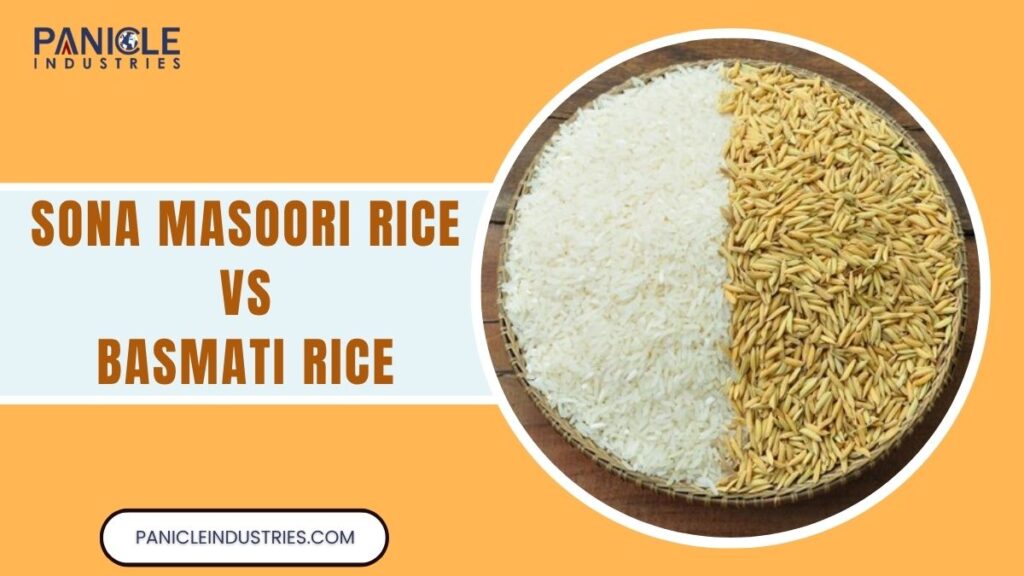
Rice sits at the heart of countless meals, especially across India and South Asia. Yet not all rice behaves the same. If you have ever stood in a grocery aisle wondering whether to pick Sona masoori rice or basmati rice, you are not alone.
Both varieties are widely used, trusted, and loved—but they serve different purposes in the kitchen. Understanding their differences helps you cook better meals, control texture, and even make smarter nutritional choices.
In this blog guide, we break down Sona masoori rice vs basmati rice in a clear, practical way. You will learn how they differ in grain structure, taste, cooking behavior, nutrition, and best uses—without any confusion or fluff.
What Is Sona Masoori Rice?
Sona masoori rice is a medium-grain, lightweight rice grown mainly in the southern states of India, such as Andhra Pradesh, Telangana, and Karnataka. Farmers developed it by combining two traditional varieties—Sona and Masoori.
Key Characteristics of Sona Masoori Rice
- Medium-length grains
- Soft and slightly sticky texture
- Lightweight and easy to digest
- Mild aroma and neutral taste
People often choose Sona masoori for everyday meals because it feels lighter on the stomach and cooks quickly.
What Is Basmati Rice?
Basmati rice is a long-grain aromatic rice traditionally grown in India and Pakistan. It is known for its fragrance and elegant grain structure.
Key Characteristics of Basmati Rice
- Long, slender grains
- Fluffy and non-sticky texture
- Distinct nutty aroma
- Expands lengthwise when cooked
High-quality basmati rice is often aged to improve its flavor and cooking performance. This aging process reduces moisture and enhances grain separation.
Also read: What’s The Difference Between Basmati And Jasmine Rice?
Sona Masoori Rice vs Basmati Rice: Grain Structure and Appearance
Grain structure plays a major role in how rice cooks and feels.
Sona Masoori Grain Structure
Sona masoori grains are shorter and thicker compared to basmati. When cooked, they become soft and slightly clump together. This texture works well for simple meals.
Basmati Grain Structure
Basmati grains are long and slender. They expand in length during cooking and remain separate. This creates a visually appealing plate, especially for special dishes.
Why This Difference Matters
- Sona masoori = soft and cohesive
- Basmati = long, fluffy, and separate
If presentation matters, basmati often wins. If comfort and simplicity matter, Sona masoori fits perfectly.
Aroma and Taste: Subtle but Important Differences
Taste and aroma define the eating experience.
Sona Masoori Flavor Profile
Sona masoori has a mild, neutral flavor. It does not overpower dishes, which makes it ideal for pairing with strong curries, dals, and sambar.
Basmati Flavor Profile
Basmati rice has a distinct aroma due to a natural compound called 2-acetyl-1-pyrroline. This gives it a nutty, slightly popcorn-like fragrance.
Quick Comparison
| Feature | Sona Masoori Rice | Basmati Rice |
|---|---|---|
| Aroma | Mild | Strong and nutty |
| Taste | Neutral | Rich and aromatic |
Cooking Differences: Texture and Behavior
Cooking results differ significantly between these two rice types.
Sona Masoori Cooking Behavior
- Soft and slightly sticky
- Absorbs water quickly
- Cooks faster
- Easy to handle for daily cooking
Basmati Cooking Behavior
- Fluffy and separate grains
- Requires careful water control
- Often benefits from soaking
- Ideal for premium dishes
Cooking Tip
If you want consistency and ease, Sona masoori works well. If you want precision and presentation, basmati is the better choice.
Water Ratio and Cooking Method
Getting the water ratio right can make or break your rice.
Sona Masoori Rice Cooking Ratio
- Water ratio: 1:2
- Rinse well before cooking
- No soaking required
Basmati Rice Cooking Ratio
- Water ratio: 1:1.5
- Rinse thoroughly
- Soak for 20–30 minutes for best results
Soaking basmati rice improves elongation and texture, while Sona masoori performs well without extra steps.
Nutritional Comparison: Sona Masoori Rice vs Basmati Rice
Both rice types provide carbohydrates as their primary nutrient, but small differences exist.
Sona Masoori Rice Nutrition
- Lower calorie density compared to basmati
- Easy to digest
- Moderate glycemic index
Basmati Rice Nutrition
- Slightly higher calorie density
- Lower glycemic index (especially aged basmati)
- Better option for blood sugar control
According to USDA FoodData Central and research cited by the Harvard T.H. Chan School of Public Health, lower glycemic index foods release glucose more slowly into the bloodstream.
What This Means
- Sona masoori = lighter digestion
- Basmati = better blood sugar response
Best Uses in Cooking
Choosing the right rice depends on the dish you are preparing.
Best Uses for Sona Masoori Rice
- Daily meals (dal, sambar, rasam)
- Lemon rice
- Curd rice
- Pongal
Sona masoori blends well with simple, home-style dishes.
Best Uses for Basmati Rice
- Biryani
- Pulao
- Fried rice
- Middle Eastern dishes
Basmati shines in dishes where texture and aroma matter.
Price and Availability
Cost often influences buying decisions.
Sona Masoori Rice
- Generally more affordable
- Widely available in South India
- Common household staple
Basmati Rice
- More expensive, especially aged varieties
- Considered premium rice
- Exported globally
If budget matters, Sona masoori is a practical choice. If quality and aroma matter, basmati justifies its price.
Storage and Shelf Life
Proper storage helps maintain quality.
Sona Masoori Storage
Store in an airtight container in a cool, dry place. It is best used within a reasonable time for freshness.
Basmati Storage
Aged basmati can last longer due to reduced moisture. Proper storage preserves its aroma.
Common Myths About Sona Masoori and Basmati Rice
Myth 1: Basmati Is Always Better
Not true. It depends on the dish. Sona masoori often works better for daily meals.
Myth 2: Sona Masoori Is Less Healthy
Both rice types offer similar nutrients. Health depends on portion size and overall diet.
Myth 3: You Can Use Them Interchangeably
You can substitute them, but results will differ in texture and flavor.
Which One Should You Choose?
Your choice depends on your cooking needs.
Choose Sona Masoori Rice If You Want:
- Soft, easy-to-digest rice
- Quick cooking
- Affordable daily use
Choose Basmati Rice If You Want:
- Long, separate grains
- Aromatic flavor
- Premium presentation
Final Thoughts
When comparing Sona masoori rice vs basmati rice, the difference comes down to purpose.
Sona masoori rice offers simplicity, softness, and everyday comfort. Basmati rice delivers elegance, aroma, and a refined texture. Neither is better in every situation—they simply serve different roles.
If you cook daily meals, Sona masoori makes your life easier. If you prepare special dishes, basmati enhances the experience.
Understanding this difference helps you cook with confidence and choose the right rice every time.