
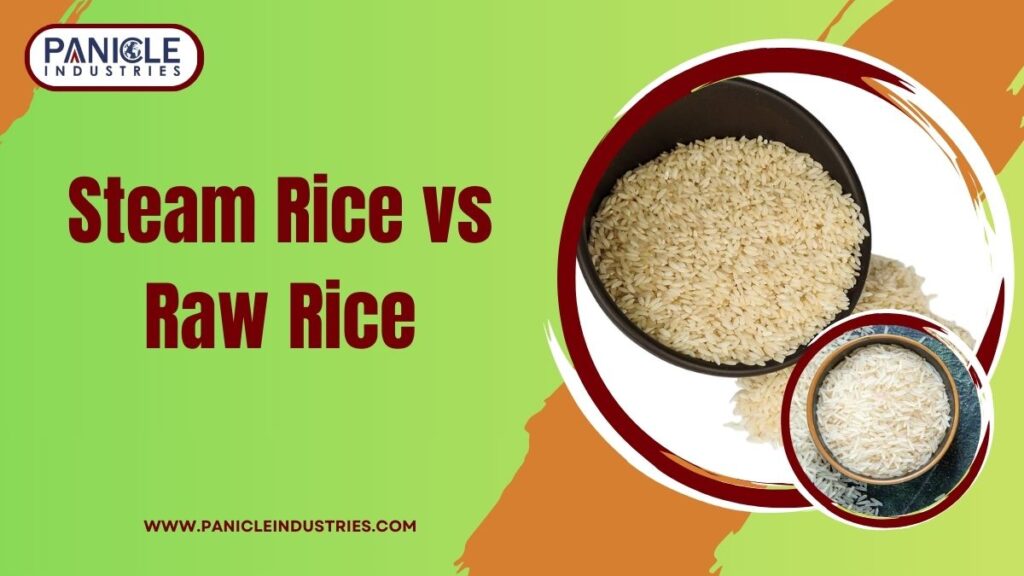
Rice remains a staple food for billions of people worldwide. From household kitchens to large food industries, rice appears in countless meals every day. Among the many rice varieties available, steam rice and raw rice often create confusion for consumers. Many people struggle to understand how these two types differ and which one suits their health and cooking needs.
This detailed guide explains steam rice vs raw rice in a clear, honest, and well-researched way. The goal is to help you choose the right rice based on nutrition, digestion, cooking behavior, and everyday use—without exaggeration or misleading claims.
What Is Steam Rice?
Steam rice refers to rice that undergoes steaming before milling. During this process, manufacturers expose the rice to controlled steam while the grain remains in its husk. After steaming, the rice dries and then goes through milling to remove the husk.
This steaming process alters the grain’s internal structure and improves its strength. Many regions also call steam rice parboiled rice, although processing intensity can vary slightly by region.
Why Rice Is Steamed Before Milling
Steaming allows nutrients from the outer bran layer to move into the rice kernel. This process helps retain important vitamins and minerals even after milling.
According to the Food and Agriculture Organization (FAO), steaming improves rice’s nutritional stability and reduces grain breakage during processing.
What Is Raw Rice?
Raw rice is rice that does not undergo steaming before milling. After harvesting, manufacturers dry the paddy rice and mill it directly to remove the husk and bran layers.
Raw rice includes both:
- Raw white rice
- Raw brown rice (when bran remains intact)
In everyday markets, people often refer to raw white rice simply as “raw rice.”
Also read: Parboiled Rice vs White Rice
Steam Rice vs Raw Rice: Processing Differences
Processing plays a major role in how rice behaves during cooking and digestion.
Steam Rice Processing
- Paddy rice exposed to steam
- Nutrients migrate inward
- Grain becomes harder and stronger
- Milling removes husk after steaming
Raw Rice Processing
- No steaming involved
- Direct milling after drying
- Nutrients remain mostly in bran
- Milling removes bran completely in white rice
The International Rice Research Institute (IRRI) confirms that pre-steaming changes starch structure and improves nutrient retention.
Nutritional Differences Between Steam Rice and Raw Rice
Nutrition is one of the most important factors when comparing steam rice vs raw rice.
Key Nutrients in Steam Rice
Steam rice retains higher levels of:
- Thiamine (Vitamin B1)
- Niacin (Vitamin B3)
- Vitamin B6
- Magnesium
- Phosphorus
Steaming pushes water-soluble vitamins into the grain, which prevents nutrient loss during milling.
Nutritional Profile of Raw Rice
Raw white rice loses most of its natural vitamins during milling. Many countries enrich raw white rice with added iron and B vitamins. However, enrichment does not fully restore naturally occurring nutrients.
According to USDA FoodData Central, enriched raw white rice still contains lower mineral levels than steamed rice.
Fiber Content and Digestive Health
Fiber affects digestion, gut health, and blood sugar control.
Steam Rice
- Slightly higher fiber than raw white rice
- Digests more slowly
- Provides longer-lasting energy
Raw Rice
- Lower fiber content
- Digests faster
- Causes quicker glucose release
While neither type qualifies as high-fiber food, steam rice offers a small advantage for digestive balance.
Glycemic Index: Impact on Blood Sugar
The glycemic index (GI) measures how quickly foods raise blood sugar levels.
Glycemic Index Comparison
- Steam rice: Medium glycemic index
- Raw white rice: High glycemic index
Research cited by the Harvard T.H. Chan School of Public Health shows that steamed rice forms resistant starch structures, which slow glucose absorption.
This makes steam rice a better option for people managing:
- Diabetes
- Insulin resistance
- Blood sugar fluctuations
Taste and Texture Differences
Taste and mouthfeel often determine consumer preference.
Steam Rice Characteristics
- Firm texture
- Separate grains
- Slightly nutty flavor
- Less sticky after cooking
Raw Rice Characteristics
- Soft and fluffy texture
- Neutral taste
- Slight stickiness depending on variety
- Absorbs sauces easily
Professional kitchens often prefer steam rice for large-scale cooking due to its consistency and visual appeal.
Cooking Time and Water Absorption
Cooking Steam Rice
Steam rice requires:
- Slightly longer cooking time
- More water than raw rice
However, it resists overcooking and maintains grain structure even when reheated.
Cooking Raw Rice
Raw rice:
- Cooks faster
- Requires less water
- Overcooks easily if not monitored
Home cooks often choose raw rice for quick meals, while caterers prefer steam rice for stability.
Shelf Life and Storage Stability
Steam rice offers a longer shelf life compared to raw rice.
The steaming process:
- Reduces insect infestation
- Improves resistance to spoilage
- Enhances storage stability in warm climates
FAO storage guidelines highlight steam rice as more suitable for long-term storage, especially in tropical regions.
Steam Rice vs Raw Rice for Weight Management
Rice alone does not cause weight gain. Portion size and meal balance matter most.
Steam Rice for Weight Control
- Slower digestion
- Better satiety
- Reduced hunger spikes
Raw Rice and Weight
- Provides quick energy
- May increase hunger sooner
Nutrition experts recommend steam rice for people seeking better appetite control.
Suitability for Different Diets
For Diabetic Individuals
Steam rice works better due to its moderate glycemic index.
For Athletes and Active People
Raw rice helps replenish energy quickly after intense activity.
For Elderly and Digestive-Sensitive People
Raw rice remains easier to chew and digest.
Each type serves a different dietary purpose.
Environmental and Processing Considerations
Steaming requires:
- Additional water
- Extra energy
However, the International Rice Research Institute notes that steaming reduces grain breakage, which improves overall yield and reduces food waste.
This balance makes steam rice processing efficient at scale.
Common Myths About Steam Rice and Raw Rice
“Steam rice is artificial”
Steam rice undergoes a traditional heat-and-water process with no chemicals involved.
“Raw rice is always healthier”
Raw white rice lacks many natural nutrients lost during milling.
“Steam rice is pre-cooked”
Steam rice still requires full cooking before consumption.
Steam Rice vs Raw Rice: Which One Should You Choose?
There is no single best option for everyone.
Choose steam rice if you want:
- Better nutrient retention
- Lower glycemic impact
- Firmer texture
- Longer shelf life
Choose raw rice if you want:
- Faster cooking
- Softer texture
- Neutral taste
- Easy digestion
Both rice types fit into a healthy diet when consumed in balanced portions.
Also read: Basmati vs Sona Masuri Rice
Final Thoughts
The debate around steam rice vs raw rice often misses an important point. Both types offer unique benefits based on processing, nutrition, and usage. Steam rice stands out for nutrient retention, blood sugar control, and storage stability. Raw rice remains popular for its simplicity, softness, and quick preparation.
Smart food choices depend on your health goals, cooking style, and lifestyle needs—not on food myths or trends.