
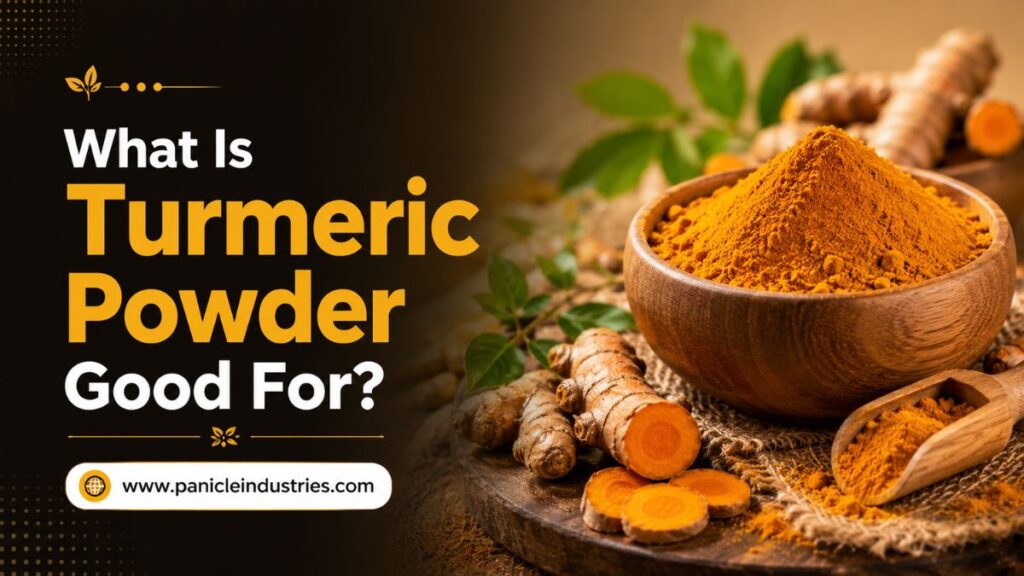
Turmeric powder has been a trusted ingredient in kitchens and traditional medicine for centuries. Known for its vibrant golden-yellow color and earthy flavor, turmeric is much more than a spice that enhances the taste of food. It is widely recognized for its potential health benefits, making it one of the most popular natural ingredients worldwide.
If you’ve ever wondered, what is turmeric powder good for, you’re not alone. Many people use it to support immunity, improve digestion, reduce inflammation, and promote healthier skin. Modern research has also explored its potential role in supporting heart health, brain function, and joint comfort.
In this blog, you’ll learn everything you need to know about turmeric powder, including its benefits, common uses, possible side effects, and practical ways to add it to your daily routine.
What Is Turmeric Powder?
Turmeric powder is made by drying and grinding the root of the turmeric plant (Curcuma longa), a member of the ginger family. Native to South Asia, turmeric has been used in traditional Ayurvedic and Chinese medicine for thousands of years.
Its bright yellow color comes from a natural compound called curcumin, which is considered the primary active ingredient responsible for many of turmeric’s health-promoting properties.
Today, turmeric powder is commonly used in:
- Indian curries
- Soups and stews
- Smoothies
- Herbal teas
- Golden milk
- Marinades
- Health supplements
Besides adding flavor and color to food, turmeric is valued for its antioxidant and anti-inflammatory properties.
Also read: Can Rice Expire?
What Is Turmeric Powder Good For?
Turmeric powder offers several potential health benefits when consumed as part of a balanced diet. While it is not a cure for diseases, research suggests it may support overall health in multiple ways.
1. Helps Reduce Inflammation
Inflammation is the body’s natural response to injury or infection. However, long-term inflammation may contribute to various chronic health conditions.
Curcumin, the active compound in turmeric, has been studied for its ability to help reduce inflammatory responses in the body. People experiencing occasional joint discomfort or muscle soreness often include turmeric in their diets for this reason.
Although turmeric should not replace medical treatment, incorporating it into meals may support overall wellness.
2. Rich in Powerful Antioxidants
Free radicals can damage healthy cells through a process known as oxidative stress. Over time, this may contribute to aging and certain chronic diseases.
Turmeric contains antioxidants that help neutralize free radicals, supporting healthy cells throughout the body.
Regular consumption of antioxidant-rich foods may contribute to:
- Healthy aging
- Better immune function
- Protection against oxidative stress
- Improved overall wellness
3. Supports Joint Health
One of the most common reasons people use turmeric powder is to support healthy joints.
Curcumin’s anti-inflammatory properties may help maintain joint flexibility and comfort, especially when combined with an active lifestyle and balanced nutrition.
Many individuals add turmeric to warm milk or tea after exercise as part of their recovery routine.
4. Promotes Better Digestion
Turmeric has traditionally been used to support digestive health.
It may help stimulate bile production, which assists in breaking down dietary fats. Some people also find turmeric helpful in reducing occasional bloating and supporting smoother digestion after meals.
Adding a small amount of turmeric to soups, lentils, or vegetable dishes is an easy way to include it in your diet.
5. Supports the Immune System
A healthy immune system relies on proper nutrition and healthy lifestyle habits.
Turmeric contains plant compounds that may help support normal immune function. Combined with foods rich in vitamins, minerals, and antioxidants, turmeric can become part of a well-rounded diet aimed at maintaining good health.
Many people drink turmeric tea or golden milk during seasonal changes as part of their wellness routine.
6. May Benefit Heart Health
Heart health depends on several factors, including healthy cholesterol levels, blood pressure, regular exercise, and a nutritious diet.
Some studies suggest curcumin may help support healthy blood vessel function and reduce oxidative stress, both of which are important for cardiovascular health.
However, turmeric should complement—not replace—healthy lifestyle choices recommended by healthcare professionals.
7. Supports Brain Function
Researchers continue to study curcumin’s effects on brain health.
Some evidence suggests it may support healthy brain function by helping protect nerve cells from oxidative damage. Scientists are also investigating whether curcumin influences compounds involved in learning and memory.
While more research is needed, including turmeric in a healthy diet may contribute to overall cognitive wellness.
8. May Improve Skin Health
Turmeric has long been used in traditional beauty practices.
Its antioxidant and anti-inflammatory properties may help support healthy-looking skin. Homemade face masks containing turmeric are popular in many cultures, although care should be taken since turmeric can temporarily stain the skin and clothing.
Eating turmeric as part of a balanced diet may also support skin health from within.
9. Helps Support Liver Function
The liver plays an essential role in removing toxins and processing nutrients.
Some studies suggest curcumin may help protect liver cells from oxidative stress. While turmeric is not a treatment for liver disease, maintaining a nutrient-rich diet that includes turmeric may contribute to overall liver health.
10. May Help Maintain Healthy Blood Sugar Levels
Early research indicates curcumin may support healthy blood sugar regulation when combined with a balanced diet and regular physical activity.
People with diabetes or those taking blood sugar medications should consult a healthcare professional before using turmeric supplements.
How to Use Turmeric Powder?
Turmeric powder is incredibly versatile and can be added to many everyday recipes.
In Cooking
Use turmeric in:
- Rice dishes
- Vegetable curries
- Soups
- Lentils
- Stir-fries
- Marinades
In Drinks
Popular turmeric beverages include:
- Golden milk
- Turmeric tea
- Smoothies
- Fresh juices
As a Seasoning
Sprinkle a small amount over:
- Roasted vegetables
- Scrambled eggs
- Popcorn
- Salad dressings
How Much Turmeric Powder Should You Consume?
There is no universal recommendation for turmeric powder intake.
For general cooking purposes, many people consume around ½ to 1 teaspoon per day as part of their meals.
Since curcumin is not easily absorbed, combining turmeric with black pepper (which contains piperine) and a healthy fat like olive oil or coconut milk may improve absorption.
Always consult a healthcare provider before taking high-dose turmeric supplements.
Are There Any Side Effects?
Turmeric is generally considered safe when used in normal food amounts.
However, consuming excessive amounts or taking concentrated supplements may cause:
- Upset stomach
- Nausea
- Diarrhea
- Acid reflux
- Increased risk of bleeding in susceptible individuals
People who are pregnant, have gallbladder disease, kidney stones, or take blood-thinning medications should seek medical advice before using turmeric supplements.
Tips for Choosing High-Quality Turmeric Powder
Not all turmeric powders are the same. Choosing a quality product helps ensure better flavor and freshness.
Look for turmeric that:
- Has a bright golden-yellow color
- Smells fresh and earthy
- Contains no artificial colors or fillers
- Comes from a trusted manufacturer
- Is stored in airtight packaging
Keeping turmeric in a cool, dry place helps preserve its quality.
Turmeric Powder vs Fresh Turmeric
| Turmeric Powder | Fresh Turmeric |
|---|---|
| Convenient to store | More perishable |
| Easy to use in cooking | Stronger natural aroma |
| Long shelf life | Higher moisture content |
| Ideal for spice blends | Great for juices and teas |
Expert Tips for Getting the Most from Turmeric
- Combine turmeric with black pepper.
- Include healthy fats to improve curcumin absorption.
- Use it consistently in everyday meals.
- Store it in an airtight container away from sunlight.
- Maintain a balanced diet instead of relying on a single ingredient.
Conclusion
So, what is turmeric powder good for? It offers far more than vibrant color and flavor. Turmeric may help support healthy digestion, reduce inflammation, provide antioxidant protection, promote joint comfort, support immune function, and contribute to overall well-being.
While turmeric is a valuable addition to a healthy diet, it should not replace professional medical advice or prescribed treatments. The best approach is to enjoy turmeric regularly as part of balanced meals and healthy lifestyle habits.
Whether you add it to curries, soups, smoothies, or golden milk, turmeric powder remains one of the most versatile and beneficial spices you can keep in your kitchen.
Frequently Asked Questions (FAQs)
1. What is turmeric powder mainly used for?
Turmeric powder supports healthy digestion, immunity and joints while adding flavor, antioxidants and vibrant color to everyday meals naturally.
2. Can I take turmeric powder every day?
Most people can enjoy turmeric daily in food. Moderate intake is generally safe as part of a balanced diet unless advised otherwise by a doctor.
3. Does turmeric powder reduce inflammation?
Curcumin in turmeric has anti-inflammatory properties that may help support normal inflammatory responses alongside a healthy lifestyle.
4. What is the best way to consume turmeric powder?
Combine turmeric with black pepper and healthy fats in meals or drinks to improve curcumin absorption and maximize potential health benefits.
5. Are there any side effects of turmeric powder?
Turmeric is safe in cooking amounts, but excessive intake or supplements may cause stomach discomfort or interact with certain medications.