
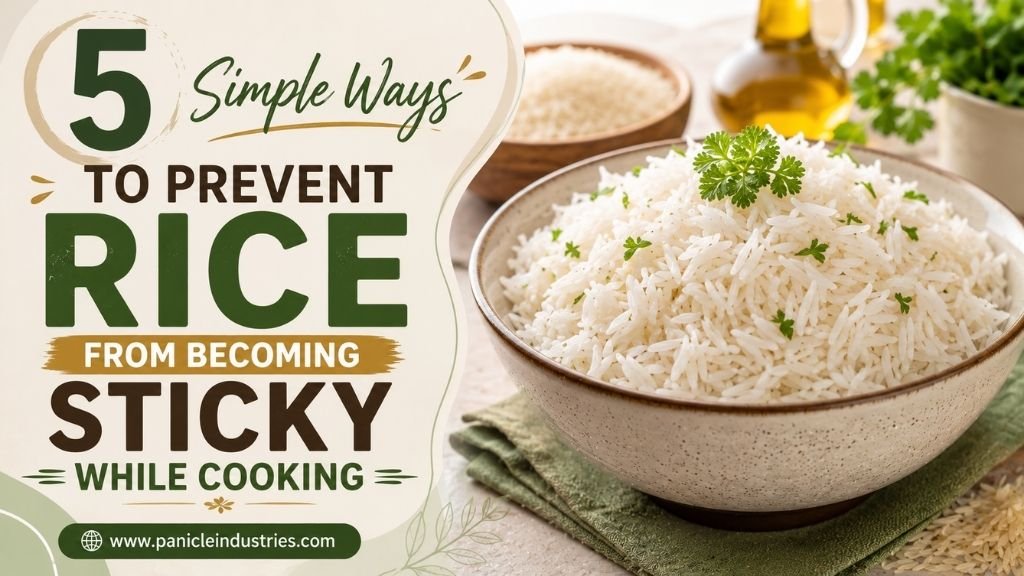
Have you ever cooked rice expecting separate, fluffy grains but ended up with a sticky, clumpy texture instead? Learning how to prevent rice from becoming sticky while cooking is easier than it may seem. The key is to control the amount of starch, water, heat, and cooking time.
Sticky rice is not always a mistake. Some varieties, such as sushi rice and short-grain rice, are naturally high in starch and are supposed to stick together. However, if you are cooking basmati, long-grain, or other rice varieties and want light, separate grains, a few simple techniques can make a big difference.
From rinsing rice properly to using the right amount of water and allowing it to rest after cooking, these methods can help you achieve better results every time. This guide explains 5 simple ways to prevent rice from becoming sticky while cooking, along with common mistakes and practical tips for perfectly cooked rice.
Why Does Rice Become Sticky While Cooking?
Before learning how to prevent sticky rice, it helps to understand why it happens.
Rice contains starch, and two important starch molecules are amylose and amylopectin. Rice varieties with higher amounts of amylopectin tend to become softer and stickier when cooked. Varieties with more amylose generally produce firmer, more separate grains.
Cooking also causes starch to absorb water and swell. If too much starch is released into the cooking water, the grains can become coated in starch, creating a sticky or gummy texture.
Several factors can contribute to sticky rice:
- Using too much water
- Not rinsing the rice
- Choosing a naturally sticky rice variety
- Stirring the rice too much
- Overcooking
- Using excessive heat
- Not allowing the rice to rest after cooking
The good news is that most of these problems are easy to control.
Also read: Describe the Important Features of Rice Cultivation
5 Simple Ways To Prevent Rice From Becoming Sticky While Cooking
1. Rinse the Rice Before Cooking
One of the simplest ways to prevent rice from becoming sticky is to rinse it properly before cooking.
Rice grains naturally have loose surface starch. When rice is washed, some of this excess starch is removed. If you skip rinsing, that starch can enter the cooking water and make the grains stick together.
How to Rinse Rice Properly?
Place the rice in a bowl and cover it with clean water. Gently move the grains around with your fingers, then drain the cloudy water.
Repeat the process several times until the water becomes noticeably clearer.
You do not necessarily need perfectly clear water. The goal is to remove excess surface starch without washing the grains excessively.
For varieties such as basmati and many long-grain rice types, rinsing can help produce a lighter, more separated texture.
Should Every Type of Rice Be Rinsed?
Not necessarily.
Some rice varieties are intentionally used for dishes where sticky grains are desirable. Sushi rice, glutinous rice, and some short-grain varieties naturally have a stickier texture.
Therefore, your washing method should depend on the type of rice and the dish you are preparing.
2. Use the Right Amount of Water
Water is one of the most important factors when cooking rice.
Too little water can leave the rice hard or undercooked, while too much water can make it soft, wet, and sticky.
There is no single water-to-rice ratio that works perfectly for every variety. Basmati rice, jasmine rice, brown rice, and short-grain rice all have different cooking requirements.
As a general starting point, many long-grain white rice varieties can be cooked using roughly 1 part rice to 1.5 parts water, although the exact amount depends on the cooking method, brand, age of the rice, and whether it was soaked beforehand.
For example, if you cook one cup of long-grain rice, you might start with around 1½ cups of water and adjust based on the variety and your results.
Why Too Much Water Causes Sticky Rice?
When rice cooks in excessive water, the grains absorb more moisture than necessary. This can make them soft and cause their surfaces to release more starch.
The result can be rice that is:
- Mushy
- Wet
- Clumped together
- Difficult to fluff
For consistent results, follow the cooking instructions on the rice package when available, especially when trying a new variety.
3. Avoid Stirring the Rice Too Much
Once rice begins cooking, resist the temptation to keep stirring it.
Stirring can disturb the grains and encourage more starch to move into the cooking water. This can contribute to a sticky or creamy texture.
For fluffy rice, let the grains cook quietly.
After adding the rice and water to the pot, bring the mixture to a boil, then reduce the heat and cover the pot. Allow the rice to cook according to the recommended time.
You generally do not need to stir repeatedly.
When Should You Stir Rice?
For most fluffy rice preparations, stirring should be minimal.
However, certain dishes are different. Risotto, rice pudding, and some creamy rice recipes require frequent stirring because the goal is to release starch and create a creamy texture.
The best technique therefore depends on the dish you are making.
4. Cook Rice on Low Heat After It Boils
Another useful way to prevent rice from becoming sticky is to control the heat.
Once the water reaches a boil, reduce the heat to low and cover the pot. The rice should cook gently rather than aggressively boiling throughout the entire process.
High heat can cause water to evaporate too quickly. This may result in uneven cooking, with some grains becoming soft while others remain undercooked.
A gentle simmer allows the grains to absorb water gradually.
A Simple Cooking Method
For many long-grain white rice varieties:
- Rinse the rice thoroughly.
- Add the appropriate amount of water.
- Bring the water to a boil.
- Reduce the heat to low.
- Cover the pot with a tight-fitting lid.
- Cook without repeatedly opening the lid.
- Turn off the heat when the rice is done.
- Let it rest before fluffing.
The exact cooking time depends on the rice variety, so use package instructions as your starting point.
5. Let the Rice Rest Before Fluffing
One of the most overlooked ways to prevent sticky rice is allowing it to rest after cooking.
When you turn off the heat, do not immediately remove the lid and start stirring. Let the cooked rice sit covered for around 5 to 10 minutes.
During this resting period, remaining moisture is distributed more evenly throughout the grains.
The rice also becomes easier to handle, and the grains are less likely to break when you fluff them.
After resting, gently fluff the rice using a fork or rice paddle.
Avoid aggressively mixing it because this can crush the grains and release additional starch.
Rice Cooking Methods Compared
Different cooking methods can produce different textures. Choosing the right technique can make it easier to achieve separate rice grains.
| Cooking Method | Texture | Risk of Sticky Rice | Best For |
|---|---|---|---|
| Absorption method | Fluffy and separate | Low when water is measured correctly | Basmati and long-grain rice |
| Rice cooker | Consistent and soft | Moderate depending on water ratio | Everyday cooking |
| Boiling and draining | Light and separate | Low | Long-grain rice |
| Pressure cooking | Soft and moist | Moderate to high | Quick rice dishes |
| Steaming | Light and firm | Low | Certain rice varieties |
The absorption method is especially useful when you want the rice to absorb a controlled amount of water without leaving excess liquid in the pot.
What Type of Rice Is Least Sticky?
If you prefer rice with separate grains, choosing the right variety is important.
Basmati Rice
Basmati is known for its long, slender grains and fragrant aroma. When cooked correctly, it can produce a light and fluffy texture, making it popular for biryani, pulao, and many other rice dishes.
Long-Grain White Rice
Long-grain rice generally stays more separate than short-grain varieties because of its starch composition.
Jasmine Rice
Jasmine rice is naturally softer and slightly more cohesive than basmati rice. It can become sticky if too much water is used, although properly cooked jasmine rice should still have a pleasant, distinct grain structure.
Short-Grain Rice
Short-grain rice tends to be stickier because it generally contains more amylopectin. This makes it useful for sushi, rice balls, and dishes where grains need to hold together.
Common Mistakes That Make Rice Sticky
Even if you follow the five main methods, certain mistakes can still affect the final texture.
Adding Too Much Water
This is one of the most common reasons rice becomes mushy and sticky. Measure your water rather than adding it based only on guesswork.
Opening the Lid Frequently
Every time you lift the lid, steam escapes. This can change the cooking environment and affect how evenly the rice cooks.
Cooking for Too Long
Overcooking allows the grains to absorb excessive moisture and become soft.
Stirring After Cooking
Aggressive stirring can break grains and spread starch throughout the rice.
Skipping the Resting Period
Fluffing rice immediately after cooking can make it more difficult to achieve separate grains.
Can You Fix Rice That Has Already Become Sticky?
Sometimes you can improve the texture, although you may not be able to completely reverse overcooked rice.
If your rice is slightly sticky, spread it gently on a wide plate or tray. Allow some steam to escape, then carefully separate the grains with a fork.
If the rice contains excess water, you can return it to very low heat briefly with the lid slightly adjusted, allowing some moisture to evaporate. Be careful not to overcook it.
For rice that is extremely mushy, turning it into another dish may be the better option. You can use it for rice patties, porridge, fried rice-style preparations, or other recipes where a softer texture works well.
How to Prevent Rice From Becoming Sticky While Cooking: A Simple Routine
If you want consistently fluffy rice, use this simple routine:
- Choose a rice variety suited to the texture you want.
- Rinse the rice to remove excess surface starch.
- Measure the water carefully.
- Bring the rice and water to a boil.
- Reduce the heat and cover the pot.
- Avoid unnecessary stirring.
- Cook for the recommended time.
- Turn off the heat and let the rice rest for 5 to 10 minutes.
- Fluff gently with a fork.
Small changes can make a noticeable difference, especially when you repeat the same cooking method with the same rice variety.
Final Thoughts on Making Fluffy, Non-Sticky Rice
Learning 5 simple ways to prevent rice from becoming sticky while cooking can make everyday rice preparation much easier. The most important factors are rinsing away excess surface starch, using the correct amount of water, avoiding unnecessary stirring, controlling the heat, and allowing the rice to rest before serving.
Remember that some rice varieties are naturally sticky, so the variety you choose matters just as much as the cooking method. Basmati and long-grain rice are good choices when you want separate, fluffy grains.
With a little attention to water, heat, and cooking time, you can avoid mushy rice and prepare light, flavorful grains that work well with curries, vegetables, stir-fries, grilled foods, and many other dishes.
Frequently Asked Questions
1. How do you stop rice from becoming sticky when cooking?
Rinse rice before cooking, measure water carefully, avoid stirring, cook on low heat, and let the rice rest covered for 5 to 10 minutes.
2. Does rinsing rice prevent it from becoming sticky?
Yes, rinsing removes excess surface starch that can make grains stick together. It is especially useful when preparing basmati and long-grain rice.
3. Why does my rice become sticky even when I rinse it?
Rice can still become sticky if you use too much water, overcook it, stir frequently, or choose a naturally sticky rice variety.
4. How much water should I use to keep rice from getting sticky?
The amount varies by rice type and cooking method. Start with package instructions, as using excess water can make rice soft and sticky.
5. Should you let rice rest after cooking?
Yes. Letting cooked rice rest covered for about 5 to 10 minutes helps distribute moisture and makes the grains easier to separate when gently fluffed.