
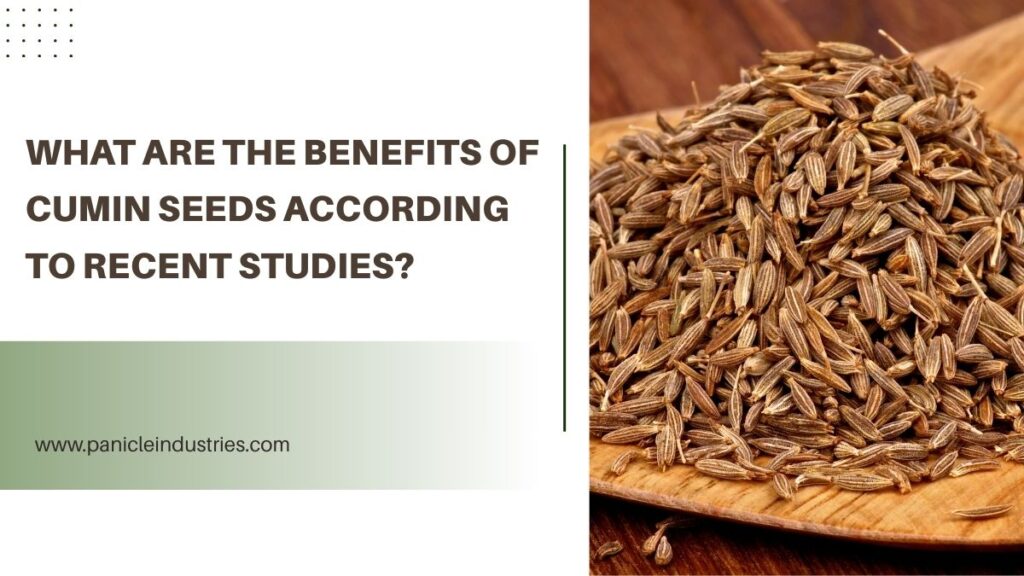
Cumin seeds are a common spice used in kitchens around the world, especially in Indian, Middle Eastern, and Mediterranean cooking. Apart from adding flavour and aroma to food, cumin seeds have been valued for their health benefits for centuries. Today, modern research has started to support many traditional uses of this spice. Many people now ask, what are the benefits of cumin seeds according to recent studies? Recent scientific studies suggest that cumin seeds may support digestion, improve metabolism, help manage blood sugar, and provide antioxidant protection.
In this blog, we will explain these benefits in very simple and clear language. The focus will remain on what modern research suggests and how cumin seeds can be included safely in daily life.
What Are Cumin Seeds?
Cumin seeds come from the plant Cuminum cyminum. They are small, elongated seeds with a warm, earthy flavour. Cumin seeds are commonly used whole or ground in cooking. They are rich in natural plant compounds, vitamins, minerals, and essential oils. These natural elements are responsible for many of the health benefits linked to cumin seeds. Traditionally, cumin has been used to support digestion, improve appetite, and promote overall wellness. Modern studies now help explain why cumin has played such an important role in traditional diets for generations.
Nutritional Value of Cumin Seeds
To understand the benefits, it is important to know what cumin seeds contain. Cumin seeds are rich in several nutrients, even when consumed in small amounts.
They contain:
- Iron
- Calcium
- Magnesium
- Potassium
- Vitamin B complex
- Antioxidants
- Natural plant oils
Recent studies highlight that cumin seeds are especially high in iron compared to many other spices. These nutrients work together to support different body functions, making cumin seeds a valuable addition to daily meals.
Also read: Cinnamon Powder vs Ground Cinnamon
What Are the Benefits of Cumin Seeds According to Recent Studies?
Recent scientific studies have closely examined cumin seeds to understand how they affect the human body. Researchers have focused on digestion, metabolism, blood sugar, inflammation, immunity, and antioxidant activity. The findings support many traditional uses of cumin seeds, but now with scientific evidence.
1. Recent Studies on Cumin Seeds and Digestion
Recent research shows that cumin seeds help increase digestive enzyme activity. These enzymes help break down food faster and more efficiently.
According to studies:
- Cumin stimulates bile production
- It reduces gas and bloating
- It improves nutrient absorption
This explains why cumin seeds are often used after meals in many cultures.
2. Scientific Evidence for Better Metabolism
Recent studies suggest that cumin seeds help improve metabolic rate. Metabolism controls how the body uses energy.
Research findings show:
- Cumin supports fat metabolism
- It helps the body use stored fat for energy
- It may reduce fat accumulation
This is why cumin is often studied in relation to weight management.
3. Blood Sugar Control Supported by Studies
Several recent studies confirm that cumin seeds help regulate blood sugar levels.
Researchers observed:
- Improved insulin sensitivity
- Lower fasting blood sugar levels
- Reduced sudden sugar spikes after meals
This makes cumin seeds beneficial for people managing blood sugar, when used with a healthy diet.
4. Antioxidant Benefits Proven by Research
Recent studies highlight that cumin seeds contain strong antioxidants such as flavonoids and phenols.
These antioxidants:
- Protect cells from damage
- Reduce oxidative stress
- Slow down cell aging
Scientific tests confirm cumin’s ability to fight free radicals in the body.
5. Anti-Inflammatory Effects According to Studies
Modern research shows that cumin seeds contain compounds that help reduce inflammation.
Studies indicate:
- Reduced markers of inflammation
- Support for joint and muscle comfort
- Lower oxidative stress
This explains cumin’s traditional use in relieving mild body discomfort.
6. Heart Health Benefits Backed by Research
Recent studies suggest cumin seeds support heart health by improving cholesterol balance.
Research findings include:
- Reduction in bad cholesterol (LDL)
- Support for good cholesterol (HDL)
- Improved blood circulation
These effects lower long-term heart health risks.
7. Immune System Support from Scientific Studies
Cumin seeds contain nutrients and antioxidants that help strengthen the immune system.
Studies show:
- Improved immune response
- Protection against infections
- Better cellular defense
This supports the idea that cumin contributes to overall wellness.
8. Iron Content Proven by Nutritional Studies
Scientific analysis confirms that cumin seeds are rich in iron.
According to studies:
- Small amounts meet daily iron needs
- Supports red blood cell production
- Helps reduce fatigue caused by iron deficiency
This is especially helpful for vegetarian diets.
9. Brain and Memory Support According to Research
Some recent studies suggest cumin seeds protect brain cells from oxidative damage.
Research indicates:
- Improved memory performance
- Better mental clarity
- Protection against age-related cognitive decline
While research is ongoing, early results are promising.
How to Use Cumin Seeds Daily
Cumin seeds are easy to include in daily meals. They can be used in various simple ways:
- Added to curries and vegetable dishes
- Roasted and sprinkled over salads
- Boiled in water to make cumin tea
- Used in spice blends
- Added to soups and lentils
Using cumin seeds in moderation helps maximize benefits without causing discomfort.
Best Time and Quantity to Consume Cumin Seeds
According to general dietary guidance, consuming cumin seeds in small amounts daily is considered safe for most people.
Recommended usage:
- ½ to 1 teaspoon per day
- Can be consumed with meals or as cumin water
Excess consumption should be avoided, as very large amounts may cause digestive discomfort in some individuals.
Safety and Precautions
Recent studies indicate that cumin seeds are generally safe when used in normal food quantities. However:
- Pregnant women should consult a healthcare professional before consuming large amounts
- People with allergies should be cautious
- Medicinal use should not replace professional treatment
Using cumin seeds as part of a balanced diet is the safest approach.
Why Recent Studies Support Traditional Uses
Traditional medicine systems have valued cumin seeds for centuries. Recent studies now confirm many of these traditional beliefs. Scientific research helps explain how cumin’s natural compounds work in the body.
This connection between traditional knowledge and modern science highlights why cumin seeds remain an important dietary ingredient worldwide.
Conclusion
Understanding what are the benefits of cumin seeds according to recent studies? helps us appreciate this simple yet powerful spice. Modern research supports many traditional uses of cumin seeds, including their role in digestion, metabolism, blood sugar balance, and antioxidant protection. Cumin seeds are rich in essential nutrients and natural compounds that support overall health when used regularly and in moderation. They are easy to include in daily meals and offer long-term wellness benefits without complexity. While cumin seeds are not a medical treatment, they can be a valuable part of a balanced and healthy lifestyle. With proper use, cumin seeds continue to prove their importance in both traditional and modern nutrition.