
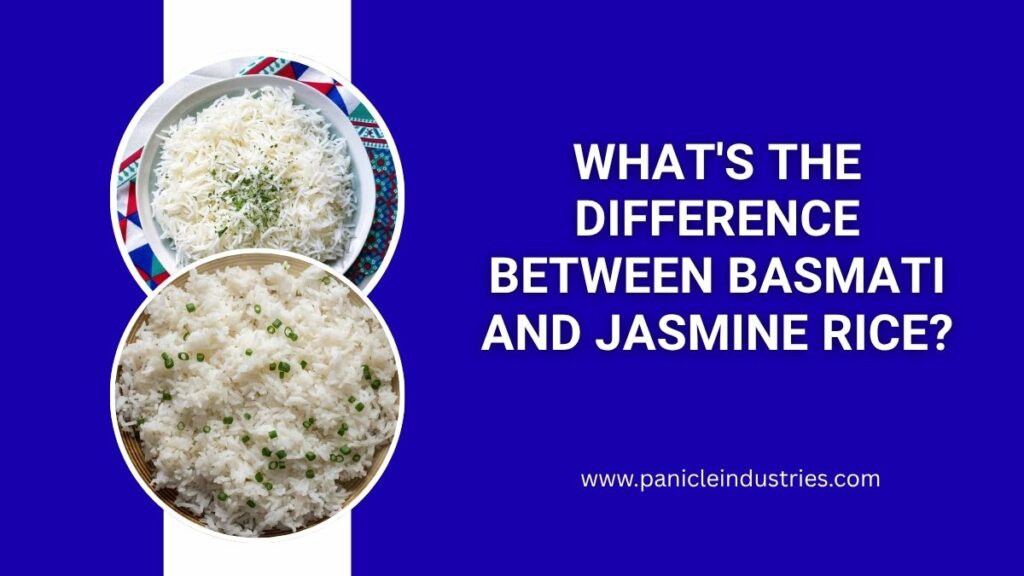
Walk into any grocery store and you will see two popular aromatic rice varieties side by side: basmati rice and jasmine rice. Both smell amazing, both cook beautifully, and both appear in cuisines around the world. Yet they behave very differently in the kitchen.
So, what’s the difference between basmati and jasmine rice?
This blog guide answers that question with clarity and accuracy. It explains how each rice grows, how it tastes, how it cooks, and how to choose the right one for your meals. The goal is simple: help you make better cooking decisions with real, reliable information—no myths, no guesswork.
What Is Basmati Rice?
Basmati rice is a long-grain aromatic rice traditionally grown in the Indian subcontinent, especially in India and Pakistan. The word “basmati” comes from Sanskrit and loosely translates to “fragrant.”
Key Characteristics of Basmati Rice
- Long, slender grains
- Dry and fluffy texture after cooking
- Distinct nutty aroma
- Grains remain separate
Farmers often age basmati rice for several months to enhance its flavor and cooking quality. According to the Agricultural and Processed Food Products Export Development Authority (APEDA) in India, aging reduces moisture and improves grain elongation during cooking.
What Is Jasmine Rice?
Jasmine rice is another aromatic rice variety, mainly grown in Thailand, Cambodia, and Vietnam. It is also known as Thai fragrant rice.
Key Characteristics of Jasmine Rice
- Slightly shorter grains than basmati
- Soft and slightly sticky texture
- Floral, buttery aroma
- Moist and tender after cooking
Unlike basmati, jasmine rice does not require aging. It is typically sold fresher, which contributes to its soft texture.
Also read: How Do You Cool a Pot of Rice Using the Shallow Pan Method?
What’s the Difference Between Basmati and Jasmine Rice in Grain Structure?
The physical structure of rice grains plays a major role in cooking results.
Basmati Grain Structure
Basmati rice grains are long and thin. When cooked, they expand lengthwise rather than widthwise. This gives basmati its signature elongated appearance.
Jasmine Grain Structure
Jasmine rice grains are slightly shorter and thicker. During cooking, they expand in both length and width, which creates a softer, slightly clumped texture.
Why This Matters
Grain structure affects:
- Water absorption
- Texture
- Cooking time
- Final presentation
If you want distinct, separate grains, basmati works better. If you prefer soft and cohesive rice, jasmine fits the job.
Aroma and Flavor Profile Comparison
Both rice types belong to the aromatic category, but their scents differ in subtle yet important ways.
Basmati Rice Aroma
Basmati rice contains a compound called 2-acetyl-1-pyrroline, which creates a nutty, popcorn-like aroma. This compound also appears in freshly baked bread.
The flavor remains light, slightly earthy, and clean.
Jasmine Rice Aroma
Jasmine rice also contains 2-acetyl-1-pyrroline but in a different balance. Its aroma feels more floral and slightly sweet.
The taste leans toward buttery and rich.
Quick Flavor Comparison
| Feature | Basmati Rice | Jasmine Rice |
|---|---|---|
| Aroma | Nutty, popcorn-like | Floral, slightly sweet |
| Taste | Light and dry | Rich and soft |
Cooking Differences: Texture and Behavior
Cooking behavior defines the real-world difference between these two rice types.
Basmati Rice Cooking Results
- Light and fluffy
- Separate grains
- Dry finish
- Less sticky
Basmati works well in dishes where grain separation matters.
Jasmine Rice Cooking Results
- Soft and moist
- Slightly sticky
- Clumps gently
- Absorbs sauces easily
Jasmine rice creates a comforting, cohesive texture.
Water Ratio and Cooking Method
Cooking technique plays a big role in results.
Basmati Rice Cooking Tips
- Rinse thoroughly to remove excess starch
- Soak for 20–30 minutes (optional but recommended)
- Use a water ratio of about 1:1.5
Soaking helps elongate grains and improves texture.
Jasmine Rice Cooking Tips
- Rinse lightly (not too much)
- No soaking required
- Use a water ratio of about 1:1.25
Too much rinsing removes the natural starch that gives jasmine rice its signature texture.
Nutritional Differences Between Basmati and Jasmine Rice
Nutritionally, both rice types are quite similar, but small differences exist.
According to USDA FoodData Central:
Basmati Rice (White)
- Calories: ~150 per 100g cooked
- Carbohydrates: High
- Protein: Moderate
- Glycemic Index: Lower than jasmine rice
Jasmine Rice (White)
- Calories: Similar to basmati
- Carbohydrates: High
- Protein: Slightly lower
- Glycemic Index: Higher
What This Means
Basmati rice has a lower glycemic index (GI) compared to jasmine rice. Research referenced by the Harvard T.H. Chan School of Public Health shows that lower GI foods release glucose more slowly.
This makes basmati rice a better option for people managing blood sugar levels.
Culinary Uses: When to Use Each Rice
Choosing the right rice depends on the dish.
Best Uses for Basmati Rice
- Biryani
- Pulao
- Middle Eastern rice dishes
- Grilled meat sides
Basmati complements dishes where you want clean, separate grains.
Best Uses for Jasmine Rice
- Thai curries
- Stir-fries
- Asian-style bowls
- Comfort meals
Jasmine rice works well when you want soft texture and sauce absorption.
Geographic Origin and Cultural Importance
Understanding origin adds context to the comparison.
Basmati Rice Origin
- Primarily India and Pakistan
- Protected geographical indication (GI) in many regions
- Deep connection to South Asian cuisine
Jasmine Rice Origin
- Mainly Thailand
- Known as “Thai Hom Mali rice”
- Central to Southeast Asian cooking
Both rice types carry cultural significance and regional identity.
Storage and Shelf Life
Proper storage maintains aroma and quality.
Basmati Rice Storage
Aged basmati can last longer due to lower moisture content. Store it in an airtight container in a cool, dry place.
Jasmine Rice Storage
Jasmine rice is best used fresh. Over time, its aroma fades faster than basmati.
Common Myths About Basmati and Jasmine Rice
Myth 1: They Taste the Same
They do not. Aroma and texture differ significantly.
Myth 2: One Is Always Healthier
Health depends on portion size and overall diet, not just rice type.
Myth 3: They Are Interchangeable in All Recipes
You can substitute them, but results will change. Texture and flavor will not match perfectly.
Which One Should You Choose?
The answer depends on your cooking goal.
Choose basmati rice if you want:
- Fluffy, separate grains
- Lower glycemic response
- Light texture
Choose jasmine rice if you want:
- Soft and slightly sticky rice
- Rich, comforting texture
- Better sauce absorption
Both options work well when used correctly.
Conclusion
So, what’s the difference between basmati and jasmine rice?
Basmati rice offers a long, dry, and fluffy texture with a nutty aroma. Jasmine rice provides a softer, slightly sticky texture with a floral fragrance. Their differences come from grain structure, starch composition, and growing conditions.
Neither rice is better in every situation. Each serves a specific purpose in cooking.
When you understand these differences, you stop guessing and start cooking with intention. And that small shift makes a big difference in your kitchen.