
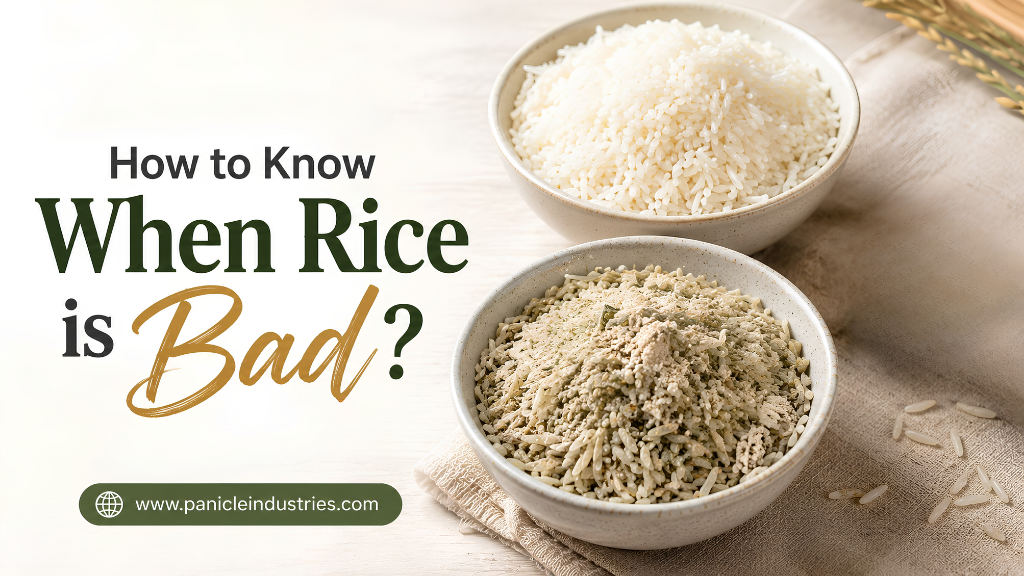
Rice is one of the most widely consumed staple foods in the world. Whether it’s basmati, jasmine, brown, or white rice, it plays an important role in countless meals. While uncooked rice has a long shelf life, it doesn’t last forever. Cooked rice, on the other hand, can spoil much more quickly if it’s not stored properly.
Many people ask, “How do you know when rice is bad?” The answer depends on whether you’re checking uncooked or cooked rice. Changes in smell, appearance, texture, and even the presence of pests can all indicate that rice is no longer safe or enjoyable to eat.
Knowing the warning signs of spoiled rice can help you avoid food waste, improve food safety, and protect your family from foodborne illnesses. In this guide, you’ll learn how to identify bad rice, what causes it to spoil, and when it’s time to throw it away.
Does Rice Go Bad?
Yes, rice can go bad, but the way it spoils depends on whether it is cooked or uncooked.
Uncooked rice generally lasts much longer because it contains very little moisture. However, poor storage conditions, humidity, insects, and contamination can reduce its quality over time.
Cooked rice contains moisture, making it much more susceptible to bacterial growth if left at room temperature for too long. Proper refrigeration and storage are essential to keep cooked rice safe to eat.
Understanding these differences is the first step in recognizing when rice has spoiled.
| Also read: Which Has More Carbs: Rice or Potatoes? |
How to Know When Uncooked Rice Is Bad?
Although dry rice has an impressive shelf life, it should still be inspected before cooking, especially if it has been stored for a long time.
Unpleasant or Musty Smell
Fresh rice has little to no odor.
If your rice has a musty, sour, or moldy smell, it may have absorbed moisture or become contaminated during storage.
An unusual odor is one of the clearest signs that the rice should be discarded.
Visible Mold
Mold is a definite indication that rice has spoiled.
You may notice:
- White or green fuzzy spots
- Black patches
- Powdery growth on the grains
Never try to wash off moldy rice. Dispose of the entire package immediately.
Insects or Pantry Pests
Dry rice can sometimes attract pantry pests such as rice weevils or grain beetles.
Signs of an infestation include:
- Small insects inside the container
- Tiny larvae
- Web-like material
- Small holes in the grains
If insects are present, it’s safest to discard the rice and thoroughly clean the storage area.
Changes in Color
Healthy rice should have a consistent color depending on its variety.
If you notice:
- Yellow spots
- Grey patches
- Dark discoloration
- Unusual stains
the rice may have been exposed to moisture, contamination, or age-related deterioration.
Excess Moisture or Clumping
Dry rice should remain loose and free-flowing.
Large clumps or damp grains usually indicate moisture exposure, increasing the risk of mold growth.
Rice that has become wet during storage should not be used.
How to Know When Cooked Rice Is Bad?
Cooked rice spoils much faster than uncooked rice because it contains moisture.
Checking cooked rice before eating is extremely important.
Sour or Unusual Smell
Fresh cooked rice has a mild aroma.
Spoiled rice may develop:
- Sour smells
- Fermented odors
- Unpleasant musty scents
If the smell seems unusual, avoid tasting it.
Slimy or Sticky Texture
Cooked rice should feel soft but not slimy.
If the grains become:
- Sticky in an unusual way
- Slimy
- Excessively wet
- Mushy without reason
bacterial growth may have started.
Visible Mold
Mold on cooked rice may appear as:
- Green spots
- White fuzzy patches
- Black mold
- Blue discoloration
Even a small amount of visible mold means the entire batch should be thrown away.
Strange Taste
If cooked rice tastes sour, bitter, or noticeably different from normal, stop eating it immediately.
Never rely on taste alone to judge food safety. If the rice already smells or looks suspicious, it’s best not to taste it at all.
Good Rice vs Bad Rice
The following table makes it easier to identify whether your rice is still in good condition.
| Feature | Good Rice | Bad Rice |
|---|---|---|
| Smell | Neutral or mild | Sour, musty, moldy, or unpleasant |
| Appearance | Clean, uniform grains | Mold, discoloration, or insects |
| Texture (Cooked) | Soft and fluffy | Slimy, sticky, or mushy |
| Moisture | Dry (uncooked) | Damp or clumped |
| Color | Natural and consistent | Yellow, grey, green, or black patches |
| Safety | Safe when stored correctly | Should be discarded |
Why Does Rice Go Bad?
Rice doesn’t spoil without a reason. Several factors can reduce its quality or make it unsafe to eat.
Moisture
Moisture is the most common cause of spoiled rice.
It encourages:
- Mold growth
- Bacterial growth
- Clumping
- Loss of quality
Keeping rice dry is one of the best ways to extend its shelf life.
Poor Storage Conditions
Storing rice in warm, humid places exposes it to heat and moisture, which can speed up spoilage.
A cool, dry pantry is usually the ideal location for uncooked rice.
Air Exposure
Leaving rice in an open package allows moisture, dust, and insects to enter.
Using airtight containers helps maintain freshness and reduces the risk of contamination.
Temperature Abuse
Cooked rice should not remain at room temperature for long periods.
The longer cooked rice sits out, the greater the chance that bacteria can multiply, making it unsafe to eat.
Does the Type of Rice Matter?
Different rice varieties have slightly different shelf lives.
White Rice
White rice has the longest shelf life because most of its natural oils have been removed during processing.
When stored properly, it can remain in good condition for several years.
Brown Rice
Brown rice contains the bran and germ, which are rich in natural oils.
These oils can become rancid over time, giving brown rice a shorter shelf life than white rice.
Basmati and Jasmine Rice
Basmati and jasmine rice generally follow the same storage principles as other white rice varieties.
As long as they are kept in airtight containers away from moisture, they can maintain their quality for an extended period.
How Long Does Rice Last?
The shelf life of rice depends on whether it is uncooked or cooked and how it is stored.
Uncooked rice can remain fresh for a long time when kept in a cool, dry place, while cooked rice has a much shorter lifespan because of its moisture content.
Shelf Life of Different Types of Rice
| Type of Rice | Pantry | Refrigerator | Freezer |
|---|---|---|---|
| White Rice (Uncooked) | Up to 2–5 years or longer when stored properly | Not required | Can be frozen for long-term storage |
| Brown Rice (Uncooked) | About 6–12 months | Up to 12 months | Up to 18 months |
| Cooked Rice | Not recommended | 3–4 days | Up to 1–3 months |
These are general guidelines. Always inspect rice before using it, even if it falls within the recommended storage period.
How to Store Rice Properly
Proper storage is the best way to keep rice fresh and reduce the risk of spoilage.
Store Uncooked Rice in Airtight Containers
Transfer rice from its original packaging into airtight containers after opening.
Suitable containers include:
- Food-grade plastic containers
- Glass jars with tight-fitting lids
- Metal storage containers designed for dry foods
Airtight storage protects rice from moisture, insects, dust, and unwanted odors.
Keep Rice in a Cool, Dry Place
Choose a pantry or cupboard that stays cool and dry throughout the year.
Avoid storing rice:
- Near the stove
- Above the oven
- Beside the dishwasher
- In direct sunlight
- In humid areas
Stable temperatures help preserve rice quality for longer.
Refrigerate Cooked Rice Promptly
Cooked rice should be cooled quickly after cooking and placed in the refrigerator within one to two hours.
Leaving cooked rice at room temperature for too long increases the risk of bacterial growth.
Store cooked rice in shallow, airtight containers to help it cool evenly.
Can You Eat Expired Rice?
The answer depends on the condition of the rice, not just the printed date.
Uncooked Rice
Many packages display a best-before date rather than a strict expiration date.
If uncooked rice has been stored correctly and shows no signs of:
- Mold
- Moisture
- Insects
- Unpleasant odors
it is often still suitable for cooking, even after the best-before date.
Always inspect the rice before using it.
Cooked Rice
Cooked rice should never be eaten simply because it “looks okay.”
If it has:
- Been left out for several hours
- Developed a sour smell
- Become slimy
- Shown signs of mold
it should be discarded immediately.
When it comes to cooked rice, food safety is more important than avoiding waste.
Tips to Prevent Rice from Going Bad
Preventing spoilage is much easier than dealing with contaminated food.
Buy the Right Quantity
Purchase an amount of rice that matches your household’s consumption.
Buying excessively large quantities can increase the chances of long-term storage problems.
Label Storage Containers
If you transfer rice into separate containers, write the purchase or opening date on each one.
This helps you use older rice first and rotate your stock efficiently.
Keep Storage Areas Clean
Regularly clean your pantry shelves and containers to reduce the risk of insects and contamination.
A clean storage area helps protect all your dry foods.
Freeze Rice for Long-Term Storage
If you buy rice in bulk, freezing unopened or well-sealed packages can help preserve freshness, especially for brown rice.
Frozen uncooked rice should be stored in airtight packaging to prevent moisture from entering.
Reheat Cooked Rice Only Once
After refrigerated or frozen rice has been reheated, it should be eaten immediately.
Avoid reheating the same batch multiple times, as repeated cooling and reheating can increase food safety risks and reduce quality.
Common Mistakes to Avoid
A few common habits can cause rice to spoil more quickly.
Leaving Cooked Rice on the Counter
Many people forget leftover rice on the kitchen counter after dinner.
Even if it still looks normal, bacteria may have multiplied, making it unsafe to eat.
Storing Rice in Open Bags
An opened bag allows moisture and insects to enter easily.
Always seal the bag tightly or transfer the rice to an airtight container.
Ignoring Changes in Smell
A strange odor is one of the earliest warning signs that rice has gone bad.
Never ignore unusual smells simply because the rice still looks normal.
Mixing Fresh Rice with Old Rice
Adding newly purchased rice to an old container can reduce the quality of the fresh rice.
Finish older rice first, then clean the container before refilling it.
How to Know When Rice Is Bad? Final Verdict
So, how do you know when rice is bad? The answer lies in carefully checking its smell, appearance, texture, and storage history.
For uncooked rice, warning signs include mold, insects, moisture, discoloration, and unpleasant odors.
For cooked rice, sour smells, slimy texture, mold, or extended time at room temperature are clear indications that it should be thrown away.
By storing rice properly and recognizing these warning signs early, you can enjoy better-quality meals while protecting yourself and your family from unnecessary food safety risks.
Conclusion
Rice is a versatile pantry staple, but like all foods, it requires proper storage and handling to maintain its quality. While uncooked rice can last for years under ideal conditions, cooked rice has a much shorter shelf life and should always be refrigerated promptly.
Learning how to know when rice is bad is essential for preventing food waste and avoiding foodborne illness. By checking for changes in smell, texture, appearance, and signs of contamination, you can confidently decide whether rice is still safe to eat.
A few simple storage habits, combined with regular inspection, will help keep your rice fresh, flavorful, and ready to use whenever you need it.
Frequently Asked Questions
1. How can you tell if cooked rice has gone bad?
Spoiled cooked rice often smells sour, feels slimy, or shows mold. If you notice any of these signs, throw it away immediately.
2. Does uncooked rice expire?
Uncooked rice can last for years when stored properly, but moisture, insects, and poor storage conditions can reduce its quality over time.
3. Is it safe to eat rice after the best-before date?
Yes, if it has been stored correctly and has no signs of mold, insects, unusual odors, or moisture damage, it is often still safe to cook.
4. How long does cooked rice last in the refrigerator?
Cooked rice usually stays fresh for three to four days when refrigerated in an airtight container and kept at a safe temperature.
5. What is the best way to store rice?
Store uncooked rice in airtight containers in a cool, dry place, and refrigerate cooked rice promptly to keep it fresh and safe to eat.