
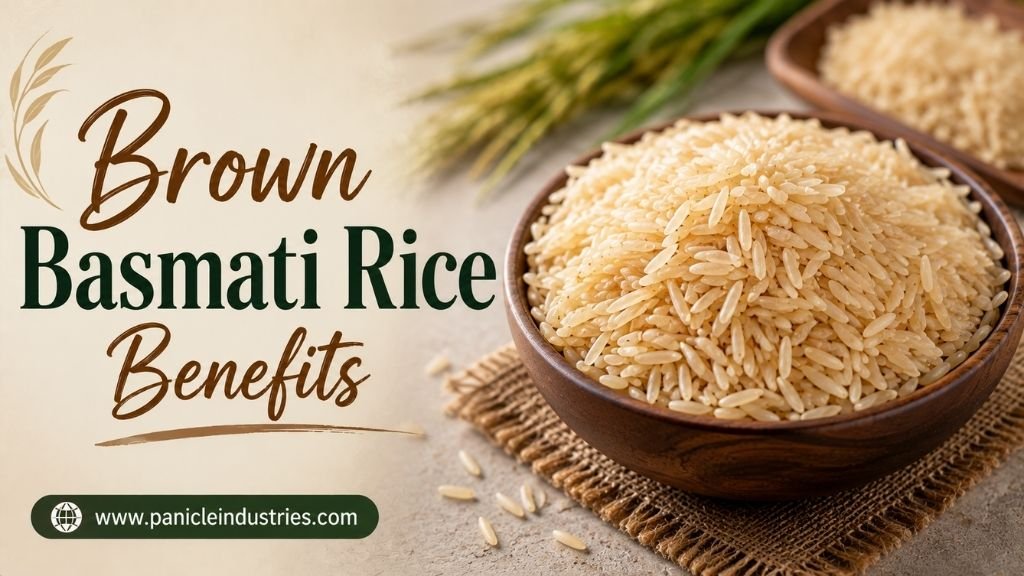
Brown basmati rice is becoming a popular choice for people who want the distinctive aroma of basmati rice while keeping the natural outer layers of the grain. Unlike white basmati rice, brown basmati rice retains its bran and germ, which means it generally provides more fiber and certain micronutrients.
If you’re searching for brown basmati rice benefits, you may be wondering whether it is actually healthier than white rice, whether it can support digestion and blood sugar management, and how you can add it to everyday meals. The answer is that brown basmati rice can be a nutritious carbohydrate choice when eaten as part of a balanced diet.
In this blog, we’ll explore the main benefits of brown basmati rice, its nutritional characteristics, how it compares with white basmati rice, and practical ways to include it in your meals.
What Is Brown Basmati Rice?
Brown basmati rice is a long-grain aromatic rice variety that retains its bran and germ layers after milling. Only the inedible outer husk is removed.
This limited processing gives brown basmati rice its characteristic light brown color, firmer texture, and slightly nutty flavor.
Basmati rice is traditionally associated with the Indian subcontinent, particularly India and Pakistan. Brown basmati retains many of the qualities people appreciate about basmati, including its fragrant aroma and long grains, but it takes longer to cook because the bran layer remains intact.
When cooked properly, the grains become tender while maintaining a pleasant, slightly chewy texture.
Also read: Describe the Important Features of Rice Cultivation
Brown Basmati Rice Nutrition
One of the main reasons brown basmati rice attracts attention is its nutritional profile.
Because the bran and germ remain attached, brown rice generally provides more fiber and some micronutrients than polished white rice.
Key Nutritional Components
Brown basmati rice provides:
- Complex carbohydrates
- Dietary fiber
- Plant-based protein
- Magnesium
- Manganese
- Phosphorus
- B vitamins
- Naturally occurring plant compounds
The exact nutritional values vary by brand and serving size, so checking the package label is useful when comparing products.
8 Brown Basmati Rice Benefits
The benefits of brown basmati rice are mainly linked to its whole-grain structure and nutrient content. It is not a miracle food, but it can be a valuable part of a balanced eating pattern.
1. Higher in Dietary Fiber
One of the most important brown basmati rice benefits is its higher fiber content compared with polished white rice.
The bran layer contains dietary fiber, which supports normal digestion and can help you feel satisfied after meals.
A meal containing brown basmati rice, vegetables, and a protein source can be more filling than a meal centered on highly refined carbohydrates.
Why Fiber Matters
Fiber can support:
- Regular bowel movements
- Digestive health
- Feelings of fullness
- Overall dietary quality
For people who are trying to increase their fiber intake, replacing some refined grains with whole grains such as brown basmati rice can be a practical step.
2. May Support Better Blood Sugar Management
Brown basmati rice can be a useful option for people who are paying attention to blood glucose because it retains its bran layer and generally has a slower digestion profile than many highly refined rice products.
However, the glycemic response of rice varies according to the specific variety, processing method, cooking method, and portion size.
Eating brown basmati rice with fiber-rich vegetables, beans, lentils, or lean protein can also create a more balanced meal.
For anyone with diabetes, individual carbohydrate needs can vary, so portions should be planned according to professional dietary advice.
3. Supports Digestive Health
The fiber in brown basmati rice can contribute to healthy digestion.
Fiber passes through the digestive system differently from rapidly digested carbohydrates. It can add bulk to stool and support regular bowel function.
If you are increasing your fiber intake, do so gradually and drink enough water. A sudden increase in fiber can cause bloating or digestive discomfort in some people.
4. Provides Important Minerals
Brown basmati rice contains several minerals that contribute to normal body function.
Magnesium
Magnesium is involved in hundreds of biochemical reactions in the body, including normal muscle and nerve function and energy metabolism.
Manganese
Manganese plays roles in metabolism and antioxidant defense.
Phosphorus
Phosphorus contributes to normal bone and tooth structure and is involved in energy metabolism.
Because brown basmati is eaten as part of a meal rather than as a concentrated supplement, it contributes these nutrients naturally alongside carbohydrates and fiber.
5. Provides Plant-Based Nutrients
The bran layer of brown rice contains a range of naturally occurring compounds that are largely removed during the processing of white rice.
These include various antioxidants and other plant compounds.
The exact composition varies with the rice variety and growing conditions, but retaining the bran and germ generally means brown rice provides a broader range of naturally occurring compounds than polished white rice.
6. Can Help You Feel Fuller
Foods containing fiber and complex carbohydrates can contribute to satiety.
Because brown basmati rice retains its outer layers, it tends to have a firmer texture and more fiber than white basmati rice. This can make a meal feel more substantial.
For example, a bowl containing brown basmati rice, chickpeas, roasted vegetables, and a small amount of healthy fat can provide a satisfying combination of carbohydrates, fiber, and protein.
7. Fits Into Heart-Healthy Eating Patterns
Brown basmati rice can fit well into eating patterns that emphasize whole grains, vegetables, legumes, nuts, and other minimally processed foods.
Replacing some refined grains with whole grains is commonly recommended as part of a balanced diet.
However, the overall meal matters. Brown rice served with heavily fried foods and high-sodium sauces has a very different nutritional profile from brown rice paired with vegetables, beans, and lean protein.
8. May Support Healthy Weight Management
Brown basmati rice does not directly cause weight loss, but it can be useful in a calorie-conscious diet.
Its fiber and firm texture may help some people feel satisfied with moderate portions, which can make it easier to manage overall food intake.
A practical approach is to combine a moderate portion of brown basmati rice with plenty of vegetables and an appropriate protein source.
Brown Basmati Rice vs White Basmati Rice
| Feature | Brown Basmati Rice | White Basmati Rice |
|---|---|---|
| Bran and germ | Retained | Mostly removed |
| Fiber | Higher | Lower |
| Texture | Firmer and chewier | Softer and lighter |
| Flavor | Nutty and earthy | Mild and aromatic |
| Cooking time | Longer | Shorter |
| Nutrient retention | Generally higher for some nutrients | Lower for nutrients concentrated in bran |
| Best for | Whole-grain meals, bowls, salads | Biryani, pulao, everyday rice dishes |
Neither type is universally better. Brown basmati is often preferred for its whole-grain qualities, while white basmati is valued for its soft texture and faster preparation.
Is Brown Basmati Rice Better Than Brown Rice?
Brown basmati rice is a type of brown rice, so both provide many of the same whole-grain benefits.
The main difference is the rice variety.
Brown basmati offers the characteristic fragrance and long grains associated with basmati. Other brown rice varieties may have a different flavor, texture, and cooking time.
Choosing between them often comes down to taste and the type of meal you are preparing.
Is Brown Basmati Rice Good for Diabetes?
Brown basmati rice can fit into a diabetes-friendly eating pattern, but portion size remains important.
Because it contains carbohydrate, it will still raise blood glucose. Its fiber and whole-grain structure may make it a more suitable choice than highly refined rice for some people, but individual responses vary.
A balanced plate could include:
- A moderate serving of brown basmati rice
- Plenty of non-starchy vegetables
- Lentils, beans, fish, chicken, tofu, or another protein source
- A small amount of healthy fat
Anyone managing diabetes should follow personalized advice from a doctor or registered dietitian.
How to Cook Brown Basmati Rice?
Brown basmati rice takes longer to cook than white basmati because the bran layer slows water absorption.
A basic method is:
- Rinse the rice under cool water.
- Optional: soak it for 20–30 minutes to help shorten cooking time.
- Add the rice and the recommended amount of water.
- Bring to a boil.
- Reduce the heat and cover.
- Simmer until the grains are tender.
- Turn off the heat and allow the rice to rest for about 10 minutes.
- Fluff gently with a fork.
Always check your rice package for the manufacturer’s recommended water ratio and cooking time because different products can vary.
Practical Ways to Add Brown Basmati Rice to Your Diet
Brown basmati rice is versatile enough for many everyday meals.
Try using it in:
- Vegetable rice bowls
- Lentil and rice dishes
- Grilled chicken meals
- Chickpea curry with rice
- Rice salads
- Stuffed peppers
- Stir-fried vegetables
- Healthy lunch boxes
Its nutty flavor works particularly well with roasted vegetables, herbs, legumes, and mildly spiced curries.
Final Thoughts
The main brown basmati rice benefits come from its whole-grain structure, higher fiber content, and naturally occurring nutrients and plant compounds. It can support a balanced diet by contributing fiber, complex carbohydrates, minerals, and greater satiety compared with many refined rice products.
It can also be a practical choice for people looking to replace some refined grains with whole grains. However, portion size, cooking method, and the foods served alongside rice all matter.
Brown basmati rice is not a cure or a miracle food, but it can be a nutritious and versatile component of everyday meals.
Conclusion
Brown basmati rice combines the familiar fragrance and long grains of basmati with the nutritional advantages of a less-refined whole-grain rice. Its fiber, mineral content, firm texture, and versatility make it a valuable addition to a balanced diet.
Whether you’re trying to eat more whole grains, increase fiber intake, or simply want an alternative to white rice, brown basmati is worth considering. Pair it with vegetables, legumes, lean proteins, and healthy fats to create balanced meals that are satisfying and nutritious.
As with any staple food, the overall diet matters more than a single ingredient. Choose portions that fit your personal needs and enjoy brown basmati rice as part of a varied eating pattern.
Frequently Asked Questions (FAQ)
1. What are the main brown basmati rice benefits?
Brown basmati provides more fiber than white basmati and supplies complex carbohydrates, minerals, and plant compounds as part of a balanced diet.
2. Is brown basmati rice healthier than white basmati rice?
Brown basmati generally contains more fiber and nutrients from the bran and germ, while white basmati cooks faster and has a softer texture.
3. Is brown basmati rice good for diabetes?
Brown basmati can fit a diabetes-friendly diet, but it still contains carbohydrates. Portion size and the foods served with it are important.
4. Does brown basmati rice help digestion?
Yes. Its dietary fiber can support normal digestion and bowel regularity when included as part of a fiber-rich diet with adequate fluids.
5. How should brown basmati rice be cooked?
Rinse it, optionally soak it, then simmer with the recommended water until tender. Let it rest before fluffing for the best texture.