
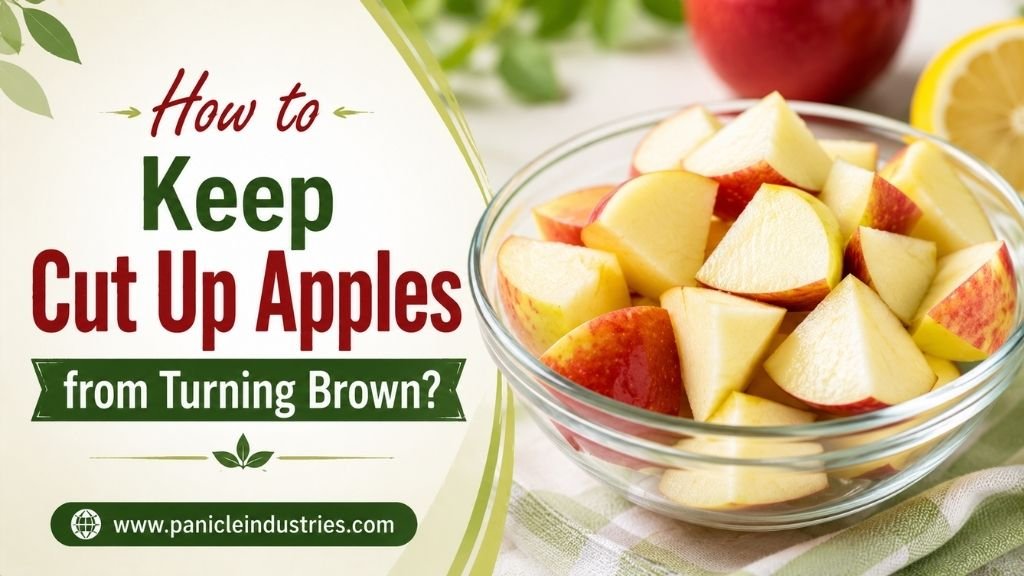
Cut apples are convenient for lunch boxes, snacks, fruit salads, and meal preparation, but there is one frustrating problem: they can quickly turn brown after being sliced. If you’ve ever cut a fresh apple only to find the pieces looking brown a short time later, you’re seeing a natural chemical reaction called enzymatic browning.
The good news is that learning how to keep cut up apples from turning brown is simple. A few easy techniques can slow the browning process and help apple slices stay fresh-looking, crisp, and appealing for longer. Lemon juice, cold water, salt water, and proper storage are among the most practical methods.
In this blog, we’ll explain why apples turn brown, which methods work best, how long each method can help, and how to store prepared apple slices safely.
Why Do Cut Apples Turn Brown?
Apples contain enzymes that react with oxygen when the flesh is exposed to air. This process is known as enzymatic browning.
When you cut an apple, the knife breaks the cells inside the fruit. Once those cells are damaged, oxygen reaches naturally occurring compounds called polyphenols. An enzyme called polyphenol oxidase helps convert these compounds into darker pigments.
This is why a freshly cut apple may look pale at first but gradually develop brown or tan patches.
Browning does not necessarily mean that the apple is spoiled. A cut apple can still be safe to eat even after it turns brown, as long as it has been stored properly and does not show signs of spoilage.
However, many people prefer to slow browning because it improves the apple’s appearance and makes it more appealing.
Also read: How Does Eating Calcium-rich Foods as a Teen Protect Your Lifelong Health?
How Long Does It Take for Cut Apples to Turn Brown?
The speed of browning depends on several factors, including:
- Apple variety
- Ripeness
- Cutting size
- Exposure to air
- Temperature
- Storage conditions
Some apple varieties brown quickly, while others remain lighter for longer.
Thinly sliced apples also tend to brown faster because more surface area is exposed to oxygen.
Room-temperature apple pieces may begin showing noticeable browning within minutes, while refrigerated slices generally change more slowly.
The key to how to keep cut up apples from turning brown is therefore to reduce their exposure to oxygen or slow the enzyme reaction.
1. Use Lemon Juice
Lemon juice is one of the most popular methods for preventing apple slices from turning brown.
Lemon juice contains citric acid and ascorbic acid, which help slow enzymatic browning.
How to Use Lemon Juice
You can either brush the cut surfaces lightly with lemon juice or make a diluted solution.
For a simple method:
- Add about 1 tablespoon of lemon juice to 1 cup of cold water.
- Place the apple slices in the mixture.
- Let them soak for a few minutes.
- Drain well.
- Store the slices in an airtight container.
Lemon juice can be particularly useful for apples packed in lunch boxes or prepared in advance for fruit salads.
Does Lemon Juice Change the Taste?
It can. Too much lemon juice may give apples a noticeable sour flavor.
For naturally sweet apples, using a diluted solution helps reduce browning without making the fruit excessively tart.
2. Soak Apples in Salt Water
Salt water is another simple method that can slow browning.
A mild salt solution can help reduce the activity associated with enzymatic browning while adding very little flavor when used correctly.
How to Make a Salt-Water Solution
Mix:
- About ½ teaspoon of salt
- 1 cup of cold water
Place the apple slices in the solution for approximately 3 to 5 minutes, then drain and rinse lightly with fresh water if you are concerned about saltiness.
This method is especially useful when you want to prepare a large quantity of apple slices for meal prep.
3. Use Plain Cold Water
If you don’t have lemon juice or salt available, plain water can still help for a short period.
Submerging apple slices in cold water reduces their direct contact with oxygen. As long as the pieces remain covered, browning can be slowed.
Simple Water Method
- Place apple slices in a bowl.
- Cover them completely with cold water.
- Keep them submerged until you’re ready to use them.
- Drain thoroughly before serving.
This is a convenient short-term method, although it generally does not prevent browning as effectively for long storage as some acidic treatments.
4. Keep the Apple Pieces Refrigerated
Cold temperatures slow the enzymatic reactions responsible for browning.
After cutting apples, place them in the refrigerator rather than leaving them on the kitchen counter.
Refrigeration also helps maintain a crisp texture.
For best results, put the slices into a clean airtight container or sealed food-storage bag and refrigerate them promptly.
Why Airtight Storage Helps
Airtight storage limits the amount of oxygen around the apple pieces. Less oxygen means slower browning.
You can improve the effect by pressing excess air out of a resealable bag before closing it.
5. Coat the Apples with Vitamin C
Vitamin C, or ascorbic acid, can help slow enzymatic browning.
Commercial fruit-preserving products containing ascorbic acid are available, but you can also use foods naturally rich in vitamin C.
For example, a small amount of orange or pineapple juice can be used as a light coating or soak.
As with lemon juice, the main consideration is flavor. Some fruit juices may change the taste of the apples slightly.
Which Method Works Best?
Different methods offer different advantages.
| Method | Browning Control | Effect on Flavor | Best Use |
|---|---|---|---|
| Lemon water | Very good | Slightly tangy | Lunch boxes, fruit salads |
| Salt water | Good | Very little if rinsed | Meal prep |
| Cold water | Moderate | Minimal | Short-term storage |
| Refrigeration | Helps slow browning | None | All methods |
| Vitamin C solution | Very good | Usually mild | Longer preparation periods |
Using a combination of methods can be particularly effective. For example, soak the slices briefly in diluted lemon water, drain them, and then store them in an airtight container in the refrigerator.
Which Apples Brown the Least?
Some apple varieties naturally resist browning better than others.
In general, certain apples with higher acidity or different enzyme activity may stay lighter after cutting.
Examples of apples that are often considered good for maintaining appearance include:
- Granny Smith
- Pink Lady
- Gala
- Honeycrisp
However, the exact browning rate can vary depending on the individual fruit and how ripe it is.
A good rule is to choose firm, fresh apples when you know you’ll be cutting them in advance.
Does Cutting Apples Into Larger Pieces Help?
Yes, cutting apples into larger pieces can reduce the total surface area exposed to oxygen compared with very thin slices.
For example, apple wedges may brown more slowly than very thin slices.
If you’re preparing apples for a lunch box, thicker wedges can therefore be a practical choice.
However, the difference may not be dramatic enough on its own, so combining larger pieces with refrigeration or an anti-browning treatment works better.
Can You Prevent Browning Without Lemon?
Yes. Lemon juice is popular, but it is not your only option.
You can use:
- Salt water
- Cold water
- Vitamin C
- Commercial fruit-preserving solutions
- Airtight refrigerated storage
The best method depends on how long you need the apples to remain fresh and whether you want to change their flavor.
For children who dislike sour fruit, plain water or a mild salt-water rinse may be more suitable than lemon juice.
How to Store Cut Apples Properly?
Preventing browning is only part of keeping cut apples fresh. Proper storage also matters for food quality and safety.
Use a Clean Container
Place the apple pieces in a clean, food-safe airtight container.
Remove Excess Air
If you’re using a resealable bag, press out as much air as practical before sealing it.
Refrigerate Promptly
Keep cut apples refrigerated rather than leaving them at room temperature for long periods.
Keep Them Dry
Excess moisture can make apple pieces lose their crisp texture. Drain slices well after soaking before storing.
Common Mistakes to Avoid
Even simple techniques can go wrong if they are used incorrectly.
Using Too Much Lemon Juice
Excess lemon juice can overpower the natural flavor of sweet apples.
Leaving Apples in Water Too Long
Extended soaking can affect texture and make the fruit watery.
Forgetting to Refrigerate
Anti-browning treatments slow discoloration but do not replace proper refrigeration.
Not Draining the Apples
Wet apple pieces may become less crisp and can create excess moisture inside the storage container.
Using Dirty Containers
A clean container helps protect prepared fruit from unwanted contamination.
Can Brown Apples Still Be Eaten?
Yes, browning itself does not automatically mean an apple has gone bad.
If the apple has simply changed color but remains firm, smells normal, and has been stored properly, the browning is generally a quality issue rather than a sign of spoilage.
However, discard cut apples if they develop:
- Mold
- A fermented or unpleasant smell
- Slimy texture
- Significant deterioration
- Long periods of unsafe room-temperature storage
How to Keep Cut Up Apples from Turning Brown: Best Method
If you want a simple method that works well for everyday use, try this routine:
- Wash the apple before cutting.
- Cut it into evenly sized pieces.
- Dip the pieces in diluted lemon water for a few minutes.
- Drain them thoroughly.
- Place them in an airtight container.
- Refrigerate until ready to eat.
This approach helps reduce browning while maintaining the apple’s natural texture and flavor.
Final Thoughts
Learning how to keep cut up apples from turning brown doesn’t require complicated ingredients or special equipment. The key is to slow the reaction between the apple’s exposed flesh and oxygen.
Lemon water is one of the most effective household methods, while salt water, cold water, vitamin C, refrigeration, and airtight storage provide useful alternatives. The method you choose should depend on how long you need the apples to stay fresh and whether you want to affect their flavor.
For most everyday situations, a short soak followed by airtight refrigeration is enough to keep apple slices looking fresh and appetizing for longer.
Conclusion
Cut apples naturally turn brown because enzymes inside the fruit react with oxygen after the cells are damaged by cutting. Although this discoloration is usually harmless, it can make apples look less fresh.
The easiest ways to slow browning include using diluted lemon juice, a mild salt-water solution, cold water, vitamin C, and proper refrigeration. Combining an anti-browning treatment with airtight storage generally provides the best results.
Whether you’re preparing apples for a school lunch, meal-prepping snacks, or making a fruit salad, these simple methods can help you enjoy crisp, attractive apple pieces for longer.
Frequently Asked Questions (FAQ)
1. How do you keep cut apples from turning brown overnight?
Soak apple slices briefly in diluted lemon water, drain them well, place them in an airtight container, and refrigerate them overnight.
2. Does lemon juice stop apples from turning brown?
Lemon juice can significantly slow browning because its acids interfere with the enzymatic reaction that occurs when cut apples meet oxygen.
3. Can salt water keep apples from turning brown?
Yes. A mild salt-water soak can slow browning. Drain the apples afterward and rinse lightly if you want to minimize any salty taste.
4. How long can cut apples stay fresh in the refrigerator?
Properly stored cut apples generally keep their quality for several days, although texture and color can gradually change over time.
5. Why do apples turn brown after being cut?
Cutting damages apple cells and exposes enzymes and compounds inside the fruit to oxygen, causing a natural reaction called enzymatic browning.