
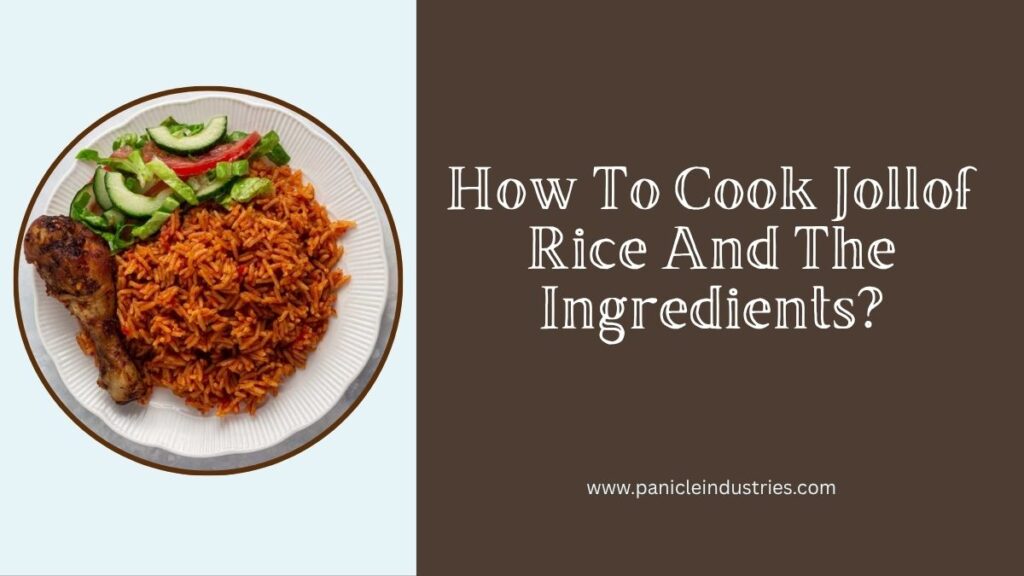
Jollof rice is more than just a dish. It is a symbol of celebration, culture, and pride across West Africa. From family gatherings to weddings, this vibrant one-pot rice dish brings people together with its bold flavors and rich aroma.
If you have ever wondered how to cook jollof rice and the ingredients needed to get it right, you are in the right place. This guide breaks everything down step by step—from selecting the right ingredients to mastering the cooking technique—so you can prepare authentic, flavorful jollof rice with confidence.
What Is Jollof Rice?
Jollof rice is a popular West African dish made by cooking rice in a rich tomato-based sauce with spices, onions, and stock. Countries like Nigeria, Ghana, and Senegal each have their own variations, but the core idea remains the same: rice cooked in deeply flavored, seasoned tomato sauce.
What Makes Jollof Rice Unique?
- Cooked in a single pot
- Rich red color from tomatoes and peppers
- Bold, smoky, slightly spicy flavor
- Balanced combination of rice, sauce, and seasoning
The cooking method allows the rice to absorb every layer of flavor, which gives jollof rice its signature taste.
Also read: Why Is Basmati Rice Often Recommended For Special Dishes?
Essential Ingredients for Jollof Rice
Understanding the ingredients is the first step in mastering how to cook jollof rice and the ingredients properly.
Core Ingredients
1. Rice
Long-grain rice works best. Many cooks prefer parboiled rice because it holds its shape and absorbs flavor well.
2. Tomatoes
Fresh tomatoes or canned plum tomatoes form the base of the sauce.
3. Red Bell Peppers
These add sweetness, color, and depth.
4. Onions
Onions build the flavor foundation. You will use them both blended and sliced.
5. Tomato Paste
Tomato paste intensifies the color and richness of the sauce.
6. Cooking Oil
Vegetable oil or sunflower oil works well for frying the base.
Key Seasonings and Spices
- Garlic and ginger
- Curry powder
- Thyme
- Bay leaves
- Salt and black pepper
- Stock cubes or powder
These ingredients create the bold and layered flavor that defines jollof rice.
Optional Add-Ins
- Chicken or beef stock
- Vegetables (carrots, peas)
- Cooked chicken, beef, or fish
Optional ingredients allow you to customize the dish without losing its core identity.
Choosing the Right Rice for Jollof
Rice selection plays a major role in the final result.
Best Rice Type
- Long-grain parboiled rice
Why It Works
- Absorbs sauce without becoming mushy
- Maintains structure during cooking
- Produces separate, fluffy grains
Avoid short-grain or sticky rice, as it can ruin the texture.
Preparing the Base: The Heart of Jollof Rice
The flavor of jollof rice depends heavily on its base sauce.
Step 1: Blend the Base
Blend together:
- Tomatoes
- Red bell peppers
- Onions
- Garlic
- Ginger
Blend until smooth but not too watery.
Step 2: Cook Down the Mixture
Pour the blended mixture into a pot and cook it on medium heat.
Cook until the excess water evaporates and the mixture thickens. This step concentrates the flavor.
Step-by-Step: How to Cook Jollof Rice and the Ingredients
Now let’s bring everything together.
Step 1: Heat Oil and Fry Onions
Heat oil in a large pot and add sliced onions. Fry until soft and slightly golden.
This builds the flavor base.
Step 2: Add Tomato Paste
Add tomato paste and fry for a few minutes.
This step removes the raw taste and deepens the flavor.
Step 3: Add the Blended Sauce
Pour in the cooked tomato-pepper mixture.
Cook for 10–15 minutes, stirring occasionally, until the oil begins to separate slightly from the sauce.
This stage is critical. It develops the signature jollof flavor.
Step 4: Add Seasonings and Stock
Add:
- Curry powder
- Thyme
- Bay leaves
- Salt and pepper
- Stock cubes or broth
Mix well and let the sauce simmer.
Step 5: Add Rice
Wash the rice thoroughly and add it to the sauce.
Stir to coat every grain with the sauce.
Step 6: Add Water or Stock
Add enough liquid to just cover the rice.
Avoid adding too much water. Jollof rice should cook by absorption, not boiling.
Step 7: Cover and Cook on Low Heat
Cover the pot tightly and cook on low heat.
Do not stir frequently. Let the rice cook evenly and absorb the sauce.
Step 8: Steam and Finish
After most of the liquid is absorbed:
- Reduce heat further
- Cover with foil or a tight lid
- Let the rice steam
This step gives jollof rice its signature texture.
The Secret to Smoky Jollof Flavor
One of the most loved features of jollof rice is its slightly smoky taste.
How to Achieve It
- Cook on low heat for longer
- Allow slight browning at the bottom (but do not burn)
- Use a heavy-bottom pot
This technique creates the famous “party jollof” flavor.
Common Mistakes to Avoid
Even simple recipes can go wrong without proper technique.
1. Adding Too Much Water
Too much liquid leads to soggy rice.
2. Not Cooking the Sauce Enough
Undercooked sauce tastes raw and lacks depth.
3. Stirring Too Often
Frequent stirring breaks the rice and makes it mushy.
4. Using the Wrong Rice
Sticky rice ruins the texture completely.
Variations of Jollof Rice
Different regions bring their own twist to the dish.
Nigerian Jollof Rice
- Bold and smoky
- Rich tomato flavor
- Often served with fried plantains and chicken
Ghanaian Jollof Rice
- Slightly spicier
- Uses more aromatic spices
- Sometimes includes basmati rice
Senegalese Jollof (Thieboudienne)
- Includes fish and vegetables
- More complex cooking method
Each version reflects local taste and tradition.
Serving Suggestions
Jollof rice pairs well with many sides.
Popular Pairings
- Fried or grilled chicken
- Plantains
- Coleslaw or fresh salad
- Fried fish
A balanced plate enhances both flavor and texture.
Nutritional Overview
Jollof rice provides:
- Carbohydrates for energy
- Vitamins from tomatoes and peppers
- Protein (if served with meat or fish)
The nutritional value depends on portion size and added ingredients.
Final Thoughts
Now you clearly understand how to cook jollof rice and the ingredients that make it truly special.
Jollof rice is not just about following a recipe. It is about building flavor step by step, respecting the cooking process, and paying attention to detail. When you get it right, the result is a rich, aromatic dish that feels both comforting and celebratory.
Start with quality ingredients, cook your sauce properly, control your water, and be patient. Those small steps make a big difference.
Once you master the basics, you can adjust spices, add proteins, or create your own version. That is the beauty of jollof rice—it is both traditional and flexible.