
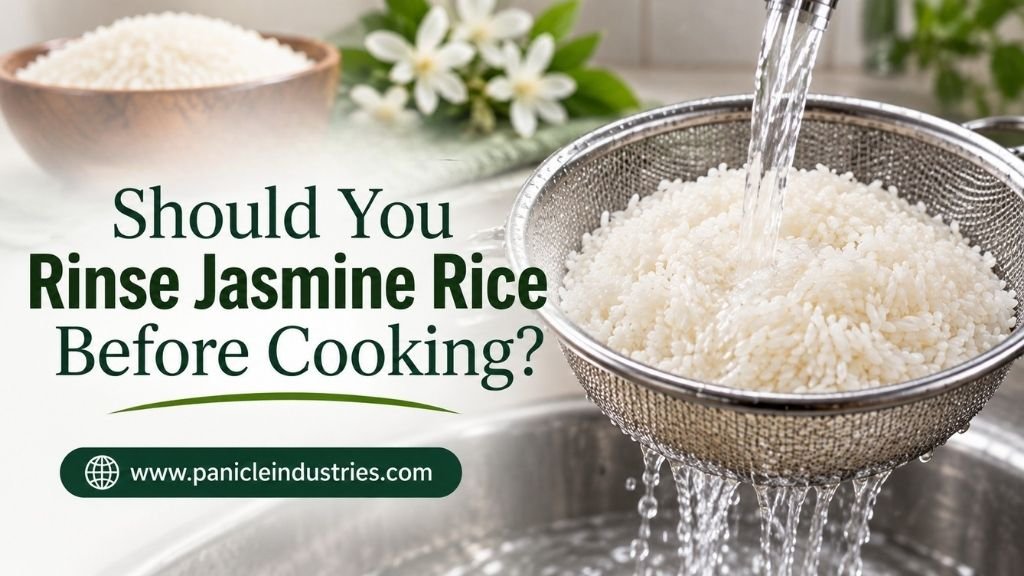
If you’ve ever prepared jasmine rice, you’ve probably wondered, should you rinse jasmine rice before cooking? Some recipes recommend washing it thoroughly, while others suggest cooking it straight from the package. This often leaves home cooks confused about which method produces the best results.
In most cases, yes, you should rinse jasmine rice before cooking. Rinsing removes excess surface starch, dust, and tiny particles left from processing. This helps the rice cook into fluffy, separate grains instead of becoming overly sticky or clumpy. However, there are a few situations where skipping the rinse may be appropriate, depending on the dish you’re preparing.
In this blog, you’ll learn why rinsing jasmine rice matters, when you should do it, when you can skip it, and how it affects the final texture and flavor of your rice.
What Is Jasmine Rice?
Jasmine rice is a fragrant long-grain rice originally grown in Thailand and other parts of Southeast Asia. It is known for its delicate floral aroma, soft texture, and slightly sweet flavor.
Unlike short-grain rice, jasmine rice naturally cooks into long, tender grains. While it has a slight natural stickiness, properly cooked jasmine rice should still have grains that remain mostly separate rather than forming a dense mass.
Its versatility makes it a popular choice for many dishes, including:
- Thai curries
- Stir-fries
- Fried rice
- Grilled chicken or seafood
- Vegetable bowls
- Soups and side dishes
Because of its unique texture, the way you prepare jasmine rice before cooking can make a noticeable difference.
| Also read: Jasmine Rice Cooking Instructions |
Should You Rinse Jasmine Rice Before Cooking?
For most recipes, rinsing jasmine rice is highly recommended.
During milling and packaging, rice grains rub against each other, creating a fine layer of starch on the surface. If this starch is left on the rice, it mixes with the cooking water and can make the cooked rice stickier than intended.
By rinsing jasmine rice under cool water before cooking, you remove much of this loose starch, allowing the grains to cook more evenly and maintain their individual shape.
Rinsing also helps wash away any dust or tiny particles that may remain after processing and packaging.
Although rinsing is a simple step that only takes a minute or two, it can noticeably improve the texture and appearance of the finished rice.
Why Rinsing Jasmine Rice Is Recommended
There are several practical reasons why many chefs and home cooks rinse jasmine rice before cooking.
It Removes Excess Surface Starch
The biggest reason to rinse jasmine rice is to remove the loose starch coating each grain.
When excess starch remains, the rice absorbs water differently, resulting in a softer and stickier texture. Washing away this starch helps produce fluffy rice with grains that stay separate after cooking.
This is especially important when serving jasmine rice with curries or stir-fries, where distinct grains create a better eating experience.
It Improves the Final Texture
Texture plays an important role in enjoying jasmine rice.
Properly rinsed rice usually cooks into grains that are:
- Soft
- Tender
- Fluffy
- Light
- Separate rather than clumped together
Without rinsing, the rice may become overly sticky, especially if too much water is used during cooking.
It Helps Remove Dust and Tiny Particles
Although commercially packaged rice is cleaned before it reaches stores, small amounts of dust or tiny fragments from processing may still remain.
A quick rinse helps remove these harmless particles and leaves the rice cleaner before cooking.
Many people rinse rice simply because it is a traditional cooking practice passed down through generations.
It Makes Cooking Results More Consistent
If you’ve ever noticed that your jasmine rice sometimes turns out perfect and other times feels gummy, inconsistent rinsing could be one reason.
Following the same rinsing method each time creates more predictable cooking results.
Once you establish a routine, it becomes much easier to adjust water ratios and cooking times accurately.
When You Might Skip Rinsing Jasmine Rice
Although rinsing is generally recommended, there are situations where you may choose not to rinse jasmine rice.
When You Want a Stickier Texture
Some recipes benefit from slightly stickier rice.
For example, rice bowls or dishes where the rice needs to hold together may work well without rinsing because the extra starch creates a softer texture.
However, jasmine rice will never become as sticky as glutinous (sticky) rice, even if it isn’t washed.
When the Package Says Not to Rinse
Some specialty or fortified rice products include nutrients that may wash away during rinsing.
Always read the package instructions before preparing rice. If the manufacturer specifically advises against rinsing, follow those recommendations.
When Time Is Limited
If you’re in a hurry, skipping the rinse won’t ruin your meal.
The rice will still cook safely and remain flavorful, though it may be slightly stickier than usual.
Many busy home cooks occasionally skip rinsing when preparing quick weeknight dinners.
Rinsed vs Unrinsed Jasmine Rice
| Feature | Rinsed Jasmine Rice | Unrinsed Jasmine Rice |
|---|---|---|
| Surface starch | Most removed | Remains on grains |
| Texture | Fluffy and light | Softer and stickier |
| Grain separation | Better | More clumping |
| Appearance | Cleaner, separate grains | Slightly cloudy or clumped |
| Best for | Curries, stir-fries, side dishes | Sticky rice bowls, quick meals |
| Overall result | More consistent cooking | Texture may vary |
How to Rinse Jasmine Rice Properly?
Rinsing jasmine rice is quick and simple, but using the right method helps you achieve the best results. The goal is to remove excess surface starch without damaging the delicate grains.
Step 1: Measure the Rice
Measure the amount of jasmine rice you plan to cook and place it in a large bowl or fine-mesh strainer.
Step 2: Add Cold Water
Pour enough cold water over the rice to fully cover it. Using cold water helps prevent the grains from softening before cooking.
Step 3: Gently Swirl the Rice
Use your hand to gently stir or swirl the rice. The water will quickly become cloudy as the excess starch is released.
Avoid rubbing the grains aggressively, as this can cause them to break.
Step 4: Drain the Water
Carefully pour out the cloudy water while keeping the rice in the bowl or strainer.
Step 5: Repeat Until the Water Is Mostly Clear
Repeat the rinsing process two to four times until the water becomes mostly clear. It doesn’t need to be perfectly transparent, but it should be much less cloudy than the first rinse.
Once rinsed, drain the rice thoroughly before adding the correct amount of fresh water for cooking.
Common Mistakes to Avoid
Even though rinsing is easy, a few mistakes can affect the final texture of your rice.
Using Too Much Water While Cooking
After rinsing, many people forget that the rice has absorbed a small amount of water.
Using excessive cooking water can make jasmine rice soft or mushy. Always follow the recommended rice-to-water ratio.
Rinsing Too Aggressively
Jasmine rice is delicate. Stirring or scrubbing the grains too hard may break them, resulting in uneven cooking.
A gentle swirling motion is all that’s needed.
Forgetting to Drain the Rice
If excess rinse water remains with the rice, it changes the cooking ratio and may lead to overcooked rice.
Allow the rice to drain well before cooking.
Assuming Every Rice Variety Should Be Treated the Same
Different types of rice require different preparation methods.
While jasmine rice usually benefits from rinsing, specialty or fortified rice products may have different instructions. Always check the package if you’re unsure.
Cooking Tips After Rinsing Jasmine Rice
Rinsing is only the first step. Following a few additional tips can help you cook perfectly fluffy jasmine rice every time.
Use the Correct Water Ratio
For stovetop cooking, a common guideline is:
- 1 cup jasmine rice
- 1½ cups water
Some brands may recommend slightly different ratios, so checking the package instructions is always a good idea.
Keep the Lid Closed
Once the rice starts simmering, avoid lifting the lid. The trapped steam is essential for even cooking.
Opening the lid too often allows steam to escape and can result in unevenly cooked rice.
Let the Rice Rest
After cooking, turn off the heat and let the rice sit with the lid on for about 10 minutes.
This resting period allows the remaining moisture to distribute evenly throughout the grains, improving texture.
Fluff Before Serving
Use a fork or rice paddle to gently fluff the rice before serving.
This separates the grains without crushing them and creates the light, fluffy texture jasmine rice is known for.
Should You Rinse Jasmine Rice Before Cooking? The Final Answer
So, should you rinse jasmine rice before cooking? In most cases, yes. Rinsing removes excess surface starch, washes away small particles left from processing, and helps the rice cook into soft, fluffy grains that stay separate. It also provides more consistent cooking results, especially when preparing curries, stir-fries, or other dishes where texture matters.
However, there are a few situations where skipping the rinse may be appropriate, such as when you prefer a slightly stickier texture or when the package specifically advises against rinsing. Ultimately, the best method depends on the recipe and your personal preference, but for everyday cooking, rinsing jasmine rice is generally the recommended approach.
Conclusion
Rinsing jasmine rice is a small step that can make a noticeable difference in the quality of your meal. By removing excess starch and tiny particles, you improve the rice’s texture, appearance, and consistency. The result is fluffy, fragrant rice that pairs beautifully with a wide variety of dishes.
While rinsing isn’t always mandatory, it is considered a best practice for most recipes. Combined with the correct water ratio, gentle cooking, and a short resting period, this simple preparation method helps you get the most out of every batch of jasmine rice. Whether you’re cooking for your family or preparing a special meal, taking a minute to rinse your rice is often well worth the effort.
Frequently Asked Questions
1. Should you always rinse jasmine rice before cooking?
Yes. Rinsing jasmine rice removes excess starch and helps produce fluffy, separate grains with a cleaner texture in most everyday recipes.
2. What happens if you don’t rinse jasmine rice?
Unrinsed jasmine rice may cook with a stickier texture because excess surface starch remains on the grains during cooking.
3. How many times should you rinse jasmine rice?
Rinse jasmine rice two to four times, or until the water becomes mostly clear, to remove excess starch without damaging the grains.
4. Does rinsing jasmine rice remove nutrients?
Rinsing removes mainly surface starch and dust. If the rice is fortified, check the package instructions before rinsing to avoid washing away added nutrients.
5. Can you cook jasmine rice without rinsing it?
Yes. Jasmine rice can be cooked without rinsing, but the grains may be softer and stickier compared to properly rinsed rice.