
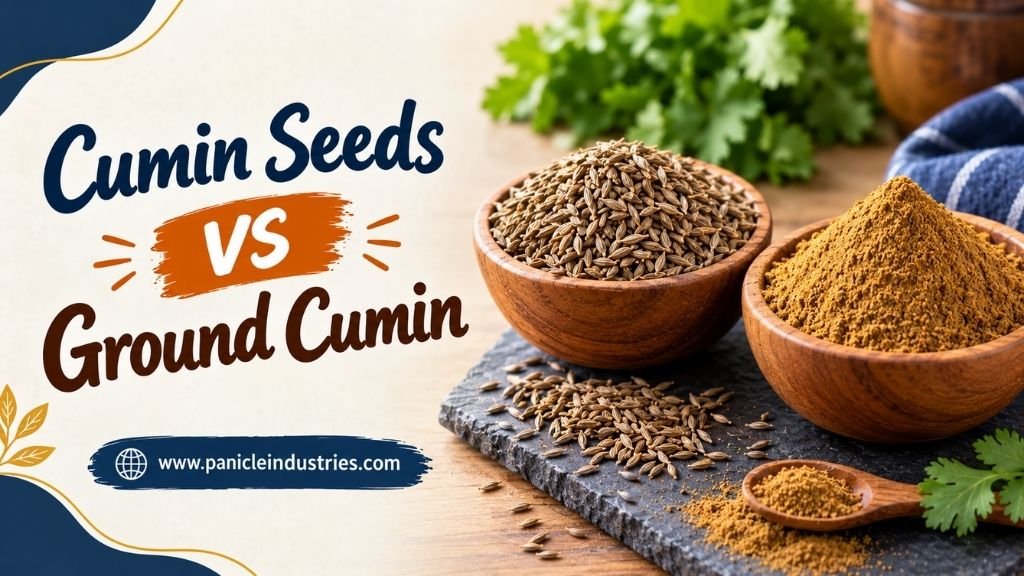
Cumin is one of those spices that can completely change the character of a dish with just a small amount. But when a recipe calls for cumin, you may wonder whether you should use cumin seeds or ground cumin. Are they actually the same spice? Can one replace the other? And which form gives better flavor?
Cumin seeds and ground cumin come from the same spice, but they are not interchangeable in every situation. Cumin seeds are the whole dried form of cumin, while ground cumin is made by grinding those seeds into a powder. Because grinding exposes more of the spice to air, ground cumin generally loses its aroma and flavor faster than whole cumin seeds.
The choice between them mainly depends on the recipe and the type of flavor you want. Cumin seeds are excellent when you want a toasted, warm aroma and small bursts of flavor. Ground cumin spreads more evenly through a dish and works especially well in spice blends, marinades, sauces, and dishes where you want cumin flavor throughout.
What Are Cumin Seeds?
Cumin seeds are the whole dried fruits of the cumin plant, Cuminum cyminum. Although commonly called seeds, they are botanically dried fruits. Cumin belongs to the Apiaceae family, which also includes plants such as coriander, parsley, and carrot.
Whole cumin has a narrow, elongated shape with ridges along its surface. It has a warm, earthy, slightly bitter flavor and a strong characteristic aroma. Cumin’s aroma comes largely from its volatile compounds, including cuminaldehyde.
Because the spice remains whole, many of its aromatic compounds stay protected inside the seed until you crush, grind, or heat it.
How Cumin Seeds Are Commonly Used?
Cumin seeds are particularly useful when you want the spice to become part of the cooking process rather than simply disappear into a sauce.
They are commonly:
- Tempered in hot oil or ghee
- Toasted before being added to food
- Added to rice and pulao
- Used in curries and dals
- Included in pickles
- Added to spice blends
- Ground fresh just before cooking
A classic example is tadka or tempering. You heat oil or ghee, add cumin seeds, and allow them to sizzle briefly. This releases their aroma into the fat and creates a fragrant base for the rest of the dish.
Also read: Is Parsley and Coriander the Same?
What Is Ground Cumin?
Ground cumin is simply cumin that has been milled into a fine or coarse powder.
The grinding process makes cumin much easier to mix throughout a dish. Instead of having individual seeds distributed through the food, the powder can spread almost immediately through sauces, gravies, marinades, and spice mixtures.
Ground cumin is especially convenient when you want consistent flavor without visible whole seeds.
It is widely used in curries, taco seasoning, chili, soups, marinades, dips, spice rubs, and many blended spice mixes.
The trade-off is freshness. USDA guidance notes that ground spices lose aroma and flavor more quickly than whole spices and recommends buying ground spices in smaller quantities when possible. For best quality, USDA gives a general guideline of about 2 to 3 years for ground spices compared with 2 to 4 years for whole spices when stored properly.
Cumin Seeds vs Ground Cumin: Key Differences
The easiest way to compare them is to look at how they behave in cooking.
| Feature | Cumin Seeds | Ground Cumin |
|---|---|---|
| Form | Whole dried cumin | Powdered cumin |
| Flavor release | Gradual, especially after heating | Fast and evenly distributed |
| Aroma | Strong when toasted or freshly ground | Strong when fresh, but fades faster in storage |
| Texture | Provides small whole seeds | Blends into the dish |
| Best for | Tempering, rice, curries, roasting | Spice blends, sauces, marinades, rubs |
| Storage | Usually retains quality longer | Loses aroma faster |
| Convenience | Requires extra preparation in some recipes | Ready to use |
| Freshness advantage | Can be ground when needed | Pre-ground is convenient |
There is no universal winner. The better choice depends on what you are cooking.
Cumin Seeds vs Ground Cumin: Difference in Flavor
Flavor is one of the biggest reasons cooks choose one form over the other.
Whole cumin seeds can develop a deeper, more rounded flavor when briefly toasted in a dry pan or cooked in oil. Heat helps release aromatic compounds from the seed, making the cumin much more noticeable.
Ground cumin distributes its flavor more evenly. This makes it useful when you do not want individual cumin seeds in the finished dish.
Freshly ground cumin can also be extremely aromatic. A scientific study examining cumin grinding found that grinding conditions can affect volatile oil retention, showing why the handling and processing of cumin powder matter for aroma quality.
Why Freshly Ground Cumin Can Taste Different?
When you grind cumin, you dramatically increase the surface area exposed to air.
That means aromatic compounds can escape more readily than they can from an intact seed. This is one reason freshly ground cumin can smell much stronger than an older jar of cumin powder.
This does not mean packaged ground cumin is poor quality. It simply means freshness becomes more important once cumin has been ground.
Which Is Better for Tempering?
For tempering, cumin seeds are usually the better choice.
When whole seeds hit hot oil or ghee, they sizzle and release their aroma into the cooking fat. You can then add onions, garlic, chilies, lentils, vegetables, or other ingredients.
This technique is common in Indian cooking and works particularly well for dal, curries, rice dishes, and vegetables.
Ground cumin behaves differently. It can burn quickly if added directly to very hot oil for too long, so it is generally better incorporated into a dish with other ingredients or added at a suitable stage of cooking.
Which Is Better for Spice Blends?
For spice blends, ground cumin is usually more convenient.
When making a masala or spice mixture, you normally want all the spices to combine evenly. Ground cumin can mix easily with coriander powder, chili powder, turmeric, black pepper, and other powdered ingredients.
This is why ground cumin is often found in blends and seasoning mixes.
However, grinding cumin seeds at home can give you a fresher result. You can toast the seeds lightly, allow them to cool, and then grind only the amount you need.
Can You Substitute Cumin Seeds for Ground Cumin?
Yes, in many recipes.
The main consideration is that one form behaves differently from the other. A recipe designed for ground cumin may expect the spice to dissolve or distribute throughout the dish. Whole seeds will remain visible and provide a different texture.
A practical starting point is:
1 teaspoon ground cumin ≈ 1 to 1¼ teaspoons cumin seeds, depending on how strongly you want the cumin flavor and whether the seeds are toasted.
This is not an exact scientific conversion because the intensity depends on the freshness of the cumin, whether the seeds are toasted, and how the recipe is cooked.
If you are replacing ground cumin with seeds, lightly toasting and crushing the seeds can help bring the flavor closer to freshly ground cumin.
Can You Substitute Ground Cumin for Cumin Seeds?
Yes, but the substitution is more recipe-dependent.
Suppose a dal recipe tells you to fry cumin seeds in hot oil before adding the lentils. Replacing them with ground cumin will not reproduce the same texture or tempering effect.
You can still get cumin flavor, but you will lose the little toasted seeds and the characteristic aroma released through the hot fat.
For dishes where cumin seeds are mainly used as a whole spice, ground cumin is therefore not a perfect replacement.
When Should You Use Cumin Seeds?
Cumin seeds work especially well when you want the spice to remain noticeable.
Use them for:
Indian Rice Dishes
Cumin seeds are excellent in jeera rice, pulao, and other rice dishes. Tempering the seeds in oil or ghee before adding rice helps build aroma from the beginning.
Dal and Curries
Cumin seeds can form part of a tempering with garlic, onion, chili, or other spices.
Roasted Vegetables
Lightly toasted cumin seeds can add texture and a warm, earthy note to vegetables.
Homemade Ground Cumin
Keeping seeds at home allows you to grind small amounts whenever necessary. This is particularly useful if you use cumin only occasionally.
When Should You Use Ground Cumin?
Ground cumin is more useful when you want an even layer of flavor throughout the dish.
Try it in:
- Curries and gravies
- Chili
- Soups
- Marinades
- Meat rubs
- Hummus and dips
- Spice blends
- Roasted vegetables
- Salad dressings
For example, a marinade for chicken can use ground cumin because the powder mixes easily with yogurt, lemon juice, oil, garlic, and other seasonings.
Likewise, if you are making a dry spice rub, whole cumin seeds would be awkward, while ground cumin blends naturally with the other powders.
Is Freshly Ground Cumin Better Than Store-Bought Ground Cumin?
From a flavor perspective, freshly ground cumin can have a noticeable advantage because you grind the spice close to the time you use it.
Whole cumin seeds generally retain aroma better during storage because their interior is less exposed to air. USDA specifically recommends whole spices for longer quality retention compared with ground spices.
But freshly grinding spices is not always practical. A good-quality packaged ground cumin can still be useful, especially when you use it regularly.
The key is to buy sensible quantities and store them properly rather than keeping a large container open for years.
How to Store Cumin Seeds and Ground Cumin?
Storage makes a bigger difference than many people realize.
Heat, moisture, air, and light can gradually reduce the quality and aroma of dried spices. The best approach is to keep cumin in a tightly closed container in a cool, dry, dark place.
Storing Cumin Seeds
Whole cumin seeds generally keep their quality longer than ground cumin. Keep them away from steam from the stove and make sure moisture does not enter the container.
Storing Ground Cumin
Ground cumin needs extra attention because the powder has a much larger surface area exposed to air.
Use a well-sealed container and avoid storing it directly next to the stove, where heat and steam are common.
USDA advises that ground spices generally lose aroma and flavor more quickly than whole spices.
How to Tell If Cumin Has Lost Its Freshness?
Cumin does not necessarily become unsafe as soon as it passes its best-quality date. Often, the first noticeable problem is a loss of aroma and flavor.
Try this simple test: open the container and smell the cumin.
Fresh cumin should have a recognizable warm, earthy, aromatic smell. If there is very little aroma, the spice may have lost much of its flavor.
For whole seeds, lightly crush one between your fingers and smell it. If the aroma is weak, grinding or toasting will not magically restore the compounds that have already faded.
Also discard spices if they show signs of moisture, mold, contamination, or other spoilage rather than trying to rescue them.
Does Grinding Cumin Affect Its Nutritional Value?
Grinding mainly changes the physical form of the spice and how easily its compounds are exposed to air, heat, and moisture.
It does not turn cumin into a completely different ingredient. Both forms come from the same cumin spice.
However, the amount you consume matters. Cumin is usually eaten in relatively small quantities, so it is better to think of it primarily as a flavoring ingredient rather than trying to obtain large amounts of nutrients from it.
Are There Food Safety Differences Between Whole and Ground Cumin?
Both whole and ground spices should be sourced from reputable suppliers and stored properly.
Spices can occasionally be contaminated with foodborne pathogens, which is why spice processing and supply-chain controls matter. The FDA has specifically studied microbial hazards in spices, including cumin, and has described controls intended to reduce these risks.
For consumers, the practical approach is straightforward: buy from reliable brands, keep packages dry and clean, follow storage instructions, and pay attention to recalls or safety notices when applicable.
Do not assume that grinding itself makes cumin unsafe. The major difference is that grinding changes the spice’s exposure to air and therefore its quality and freshness over time.
Cumin Seeds vs Ground Cumin: Which One Should You Choose?
If you regularly cook dishes that begin with tempering, cumin seeds are worth keeping in your kitchen. They offer excellent aroma when toasted or fried and can also be ground when needed.
If you frequently make marinades, spice blends, sauces, rubs, or recipes that call specifically for cumin powder, ground cumin is more convenient.
There is also no reason to choose only one. Keeping both can actually be the most practical option.
Use whole seeds when you want:
- Toasted aroma
- Visible cumin seeds
- Tempering
- Rice dishes
- Freshly ground spice
Use ground cumin when you want:
- Even seasoning
- Quick preparation
- Spice blends
- Marinades and rubs
- Sauces and dips
Conclusion
When comparing Cumin Seeds vs Ground Cumin, remember that they are two forms of the same spice, not two completely different ingredients. Cumin seeds are whole and generally hold their aroma and quality longer, while ground cumin is convenient and distributes flavor quickly throughout a dish.
The best choice depends on how you cook. Cumin seeds are particularly useful for tempering, toasting, rice dishes, and recipes where you want the seeds to remain noticeable. Ground cumin is better suited to spice blends, marinades, sauces, rubs, and dishes where you want the flavor spread evenly.
For the freshest flavor, one of the best approaches is to keep whole cumin seeds and grind small amounts as needed. But good-quality ground cumin is still a practical choice when convenience matters.
Ultimately, the difference is not about which form is “better.” It is about when, how, and why you want cumin’s flavor in your food.
Frequently Asked Questions (FAQ)
Are cumin seeds and ground cumin the same?
Yes. Both come from the same cumin spice. Cumin seeds are whole, while ground cumin is made by grinding those seeds into powder.
Which has more flavor, cumin seeds or ground cumin?
Freshly toasted seeds or freshly ground cumin can have stronger aroma than older ground cumin. Whole seeds also release flavor gradually during cooking.
Can I use ground cumin instead of cumin seeds?
Yes, in many dishes, but it will change the texture and cooking effect. Ground cumin cannot fully reproduce the toasted whole-seed experience in tempering.
How much ground cumin equals cumin seeds?
As a practical starting point, 1 teaspoon ground cumin can replace about 1 to 1¼ teaspoons cumin seeds, depending on freshness and the recipe.
Should I buy cumin seeds or ground cumin?
Keep cumin seeds for tempering, rice dishes, and maximum freshness. Choose ground cumin for spice blends, marinades, sauces, and quick everyday cooking.