
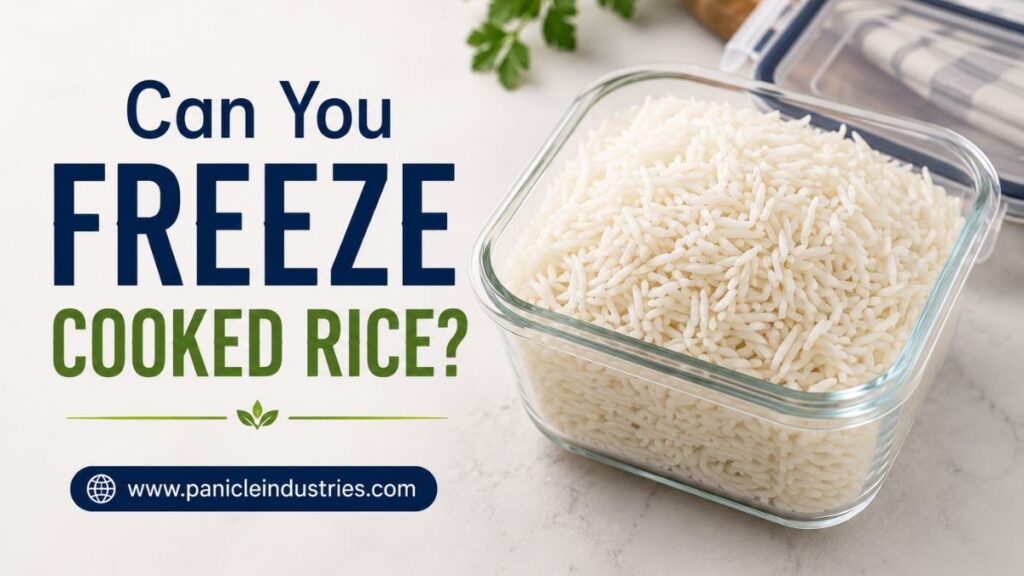
Cooking extra rice is common in many households. Whether you’ve prepared a large family dinner, meal-prepped for the week, or simply have leftovers, you may wonder, “Can you freeze cooked rice?” The good news is yes—you can freeze cooked rice safely, and when done correctly, it retains much of its texture and flavor.
Freezing cooked rice is a practical way to reduce food waste, save time, and always have a quick meal component ready to use. Instead of throwing away leftover rice, you can store it in the freezer and enjoy it weeks or even months later.
However, freezing rice isn’t as simple as placing a warm bowl in the freezer. Proper cooling, packaging, and storage are essential to maintain quality and food safety. In this guide, you’ll learn when to freeze cooked rice, why it’s safe, how long it lasts, and which rice varieties freeze the best.
Can You Freeze Cooked Rice?
The simple answer is yes, cooked rice freezes very well.
Most types of cooked rice—including white rice, basmati rice, jasmine rice, brown rice, and wild rice—can be frozen successfully. When stored correctly, frozen rice remains safe to eat and can be reheated with minimal changes to its texture.
The key is to cool the rice quickly after cooking and freeze it as soon as possible. Allowing cooked rice to sit at room temperature for too long can encourage bacterial growth, reducing both its quality and safety.
If handled properly, frozen cooked rice can become a convenient ingredient for busy weekdays, lunch boxes, and quick dinners.
Also read: What Type of Rice for Sushi
Why Is Freezing Cooked Rice Safe?
Many people hesitate to freeze cooked rice because they have heard it can become unsafe to eat. In reality, the issue is not freezing itself—it’s how the rice is handled before freezing.
Freshly cooked rice is safe, but if it is left at room temperature for several hours, naturally occurring bacteria can multiply. Some bacteria can produce toxins that are not destroyed during reheating.
Freezing slows bacterial growth significantly, helping preserve the rice until you’re ready to use it. That’s why it’s important to cool the rice promptly and transfer it to the freezer without unnecessary delays.
Following proper food handling practices makes freezing cooked rice both safe and convenient.
Benefits of Freezing Cooked Rice
Freezing cooked rice offers several practical advantages for home cooks and busy families.
Saves Time
Cooking rice from scratch every day takes time. Freezing pre-cooked rice means you always have a ready-to-use side dish that can be reheated in just a few minutes.
This is especially helpful for:
- Busy professionals
- Students
- Parents preparing family meals
- Weekly meal preppers
Reduces Food Waste
Throwing away leftover rice wastes both food and money.
Instead of discarding extra rice, freezing allows you to preserve it for future meals and reduce unnecessary waste.
Makes Meal Preparation Easier
Frozen rice pairs well with many dishes, making meal planning much more convenient.
You can quickly combine frozen rice with:
- Stir-fried vegetables
- Grilled chicken
- Fish
- Lentils
- Curries
- Soups
Having rice already prepared reduces cooking time and simplifies weeknight dinners.
Preserves Quality
When frozen correctly, cooked rice maintains much of its original taste and texture.
Although freshly cooked rice is always ideal, properly frozen rice remains suitable for many recipes without a noticeable loss in quality.
Which Types of Cooked Rice Can Be Frozen?
One of the best things about freezing cooked rice is that almost every variety freezes well.
White Rice
White rice is one of the easiest varieties to freeze.
After reheating, it generally returns to a soft and fluffy texture, making it suitable for everyday meals.
Basmati Rice
Basmati rice freezes exceptionally well because its long grains remain separate after reheating.
It is an excellent option for:
- Biryani
- Pulao
- Jeera rice
- Fried rice
Jasmine Rice
Jasmine rice also freezes successfully.
Its soft texture and natural fragrance are largely preserved when it is cooled, packaged, and reheated properly.
Brown Rice
Brown rice can also be frozen, although its firmer texture may change slightly after reheating.
Many people freeze brown rice for meal preparation because of its longer cooking time.
Wild Rice
Wild rice freezes well and maintains its chewy texture when reheated.
It is commonly used in soups, grain bowls, and salads after thawing.
How Long Can Cooked Rice Stay in the Freezer?
Cooked rice stays at its best quality for up to one month, although it can often remain safe for longer if kept continuously frozen at the proper temperature.
For the best flavor and texture, many food experts recommend using frozen rice within one to three months.
Labeling storage containers with the freezing date helps you keep track of freshness and rotate older portions first.
Best Containers for Freezing Cooked Rice
Choosing the right container helps protect rice from freezer burn and moisture loss.
Good options include:
- Freezer-safe airtight containers
- Heavy-duty freezer bags
- Reusable silicone freezer bags
- Vacuum-sealed bags
When using freezer bags, press out as much air as possible before sealing. This helps maintain the rice’s texture and reduces the risk of freezer burn.
Should You Freeze Rice in Portions?
Yes. Dividing cooked rice into individual or family-sized portions before freezing is one of the easiest ways to make meal preparation more efficient.
Smaller portions offer several benefits:
- Faster freezing
- Faster reheating
- Less food waste
- More convenient meal planning
- No need to thaw more rice than you need
For example, if you frequently prepare lunches for work, freezing single-serving portions allows you to reheat exactly the amount you need without affecting the remaining rice.
Does Freezing Change the Texture of Rice?
Freezing may cause a slight change in texture, but most people notice very little difference when the rice is reheated correctly.
Long-grain varieties such as basmati and jasmine generally maintain their texture very well. Brown rice may become slightly firmer, while short-grain rice may feel a bit softer after thawing.
Using proper freezing and reheating methods helps preserve the rice’s original quality as much as possible.
How to Freeze Cooked Rice Step by Step
Freezing cooked rice is simple, but following the correct steps helps preserve its texture, flavor, and safety.
Step 1: Cool the Rice Quickly
After cooking, spread the rice on a large tray or baking sheet in a thin layer. This allows the steam to escape and helps the rice cool more quickly.
Avoid leaving cooked rice at room temperature for more than one to two hours, as bacteria can multiply if it sits out for too long.
Step 2: Divide into Portions
Once the rice has cooled, divide it into portions based on how much you typically use.
Common portion sizes include:
- Single servings for lunches
- Two-person portions
- Family-sized meal portions
Freezing rice in smaller amounts makes reheating faster and helps reduce waste.
Step 3: Package Properly
Transfer the rice into freezer-safe containers or heavy-duty freezer bags.
Remove as much air as possible before sealing the bags. Less air helps prevent freezer burn and keeps the rice fresher for longer.
Step 4: Label and Freeze
Write the freezing date on each container or bag.
Place the rice flat in the freezer so it freezes evenly and is easier to stack, saving valuable freezer space.
How to Thaw Frozen Cooked Rice
One of the advantages of frozen rice is that it often doesn’t need to be thawed before reheating.
Reheating Without Thawing
You can transfer frozen rice directly to:
- A microwave
- A saucepan
- A steamer
Adding a tablespoon or two of water helps restore moisture during reheating.
Thawing in the Refrigerator
If you prefer, move the rice from the freezer to the refrigerator the night before you plan to use it.
This gradual thawing method works well for large portions or recipes where evenly thawed rice is preferred.
How to Reheat Frozen Rice Safely
Reheating rice correctly is just as important as freezing it properly.
Microwave Method
The microwave is the quickest option.
- Place the rice in a microwave-safe bowl.
- Sprinkle a small amount of water over the rice.
- Cover the bowl with a microwave-safe lid or damp paper towel.
- Heat until the rice is steaming hot.
- Stir halfway through for even heating.
Stovetop Method
Reheating on the stovetop works well for larger portions.
Add the rice to a pan with a few tablespoons of water, cover with a lid, and heat over low to medium heat until thoroughly warmed. Stir occasionally to prevent sticking.
Steaming Method
Steaming gently restores moisture and produces fluffy rice.
Place the rice in a steamer basket and heat until it is hot all the way through.
Common Mistakes to Avoid
Even though freezing rice is easy, a few common mistakes can reduce its quality or safety.
Freezing Warm Rice Immediately
Placing very hot rice directly into the freezer can raise the freezer’s internal temperature and create excess moisture.
Allow the rice to cool first, but don’t leave it at room temperature for too long.
Using Poor Packaging
Containers that are not airtight allow air and moisture to enter, increasing the risk of freezer burn.
Always use freezer-safe packaging with a tight seal.
Refreezing Thawed Rice
Once frozen rice has been thawed and reheated, it should not be frozen again.
Repeated freezing and thawing can affect both quality and food safety.
Storing Rice for Too Long
Although frozen rice remains safe for an extended period when stored properly, its texture and flavor gradually decline over time.
Using it within one to three months provides the best eating experience.
Expert Tips for Better Frozen Rice
A few simple techniques can make a noticeable difference in the quality of frozen rice.
Slightly Undercook the Rice
Rice that is cooked just until tender often reheats better than rice that is already very soft.
Freeze Rice Soon After Cooking
The sooner you freeze cooled rice, the fresher it will taste when reheated.
Fluff Before Freezing
Use a fork to gently fluff the rice before packaging. This helps separate the grains and prevents large clumps from forming.
Freeze in Flat Bags
Freezer bags laid flat freeze more quickly, save storage space, and thaw faster than bulky containers.
Can Frozen Rice Be Used in Different Recipes?
Absolutely. Frozen cooked rice is incredibly versatile and works well in many meals.
You can use reheated rice in:
- Fried rice
- Burrito bowls
- Rice salads
- Soups
- Stir-fries
- Stuffed peppers
- Casseroles
- Curry dishes
Because the rice is already cooked, it significantly reduces meal preparation time.
Can You Freeze Cooked Rice?
So, can you freeze cooked rice? Yes, you certainly can.
When cooled quickly, packaged properly, and stored in airtight containers, cooked rice freezes exceptionally well. It remains convenient, flavorful, and ready to use whenever you need a quick meal.
Whether you cook white rice, basmati rice, jasmine rice, brown rice, or wild rice, freezing leftovers is an excellent way to save time and reduce food waste.
By following proper food safety practices, you can enjoy delicious reheated rice with confidence.
Conclusion
Freezing cooked rice is one of the easiest ways to simplify meal preparation while minimizing food waste. With proper cooling, packaging, and storage, most varieties of cooked rice maintain their quality and can be safely enjoyed weeks later.
Whether you’re preparing meals in advance, saving leftovers from dinner, or stocking your freezer for busy days, frozen rice offers convenience without sacrificing flavor. Following the right freezing and reheating methods ensures that every serving remains safe, tasty, and ready to complement a wide variety of dishes.
Frequently Asked Questions
1. Can you freeze cooked rice safely?
Yes. Cool cooked rice quickly, freeze it in airtight containers, and reheat it until steaming hot for safe, convenient meals later.
2. How long does cooked rice last in the freezer?
Cooked rice is best used within one to three months to maintain its texture, flavor, and overall quality when stored properly.
3. Can you freeze basmati and jasmine rice?
Yes. Both basmati and jasmine rice freeze well and retain their flavor and texture when cooled, stored, and reheated correctly.
4. Do you need to thaw frozen rice before reheating?
No. Frozen rice can usually be reheated directly from the freezer by adding a little water and heating until piping hot.
5. Can frozen rice be used for fried rice?
Yes. Previously frozen rice works well for fried rice because the grains stay separate and absorb seasonings effectively after reheating.