
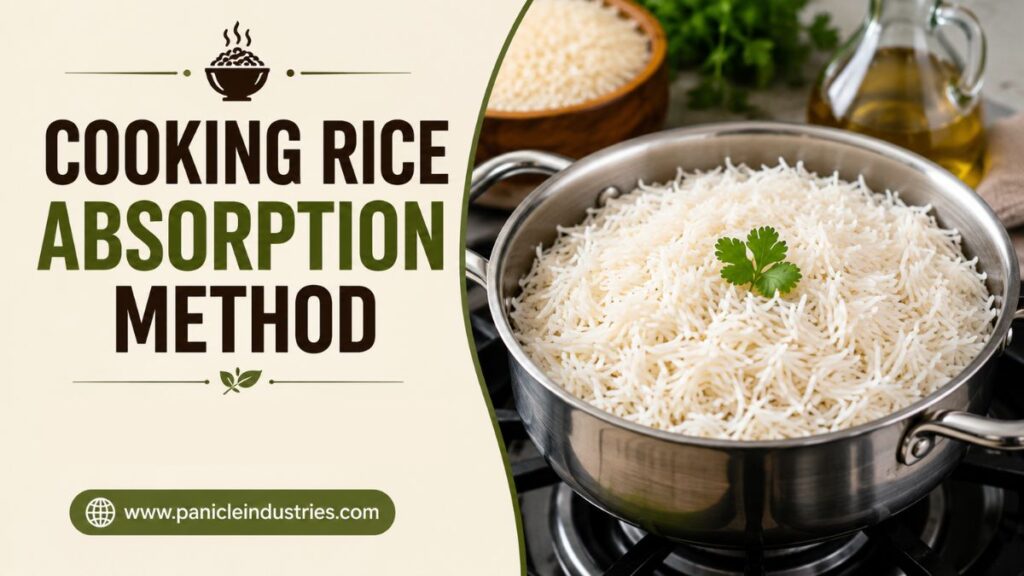
Cooking rice may seem simple, but achieving perfectly fluffy, tender grains every time requires the right technique. One of the most reliable and widely used methods is the cooking rice absorption method. Whether you’re preparing fragrant basmati rice, jasmine rice, or long-grain white rice, this technique helps produce evenly cooked rice without wasting nutrients or flavor.
If you’ve ever ended up with rice that is too sticky, undercooked, or mushy, learning the absorption method can make a noticeable difference. Unlike the boiling and draining method, the absorption method allows the rice to cook by soaking up a measured amount of water, resulting in grains that are light, separate, and full of natural flavor.
In this blog, you’ll learn what the cooking rice absorption method is, why it works so well, the equipment you’ll need, and the first steps to mastering this simple yet effective cooking technique.
What Is the Cooking Rice Absorption Method?
The cooking rice absorption method is a technique in which rice is cooked using a measured amount of water that is completely absorbed during the cooking process. Instead of draining excess water after cooking, the rice gradually absorbs all the liquid while simmering in a covered pot.
As the water is absorbed, the rice softens, expands, and cooks evenly. The result is rice with a pleasant texture, well-separated grains, and minimal loss of nutrients.
This method is commonly used in homes, restaurants, and commercial kitchens because it is simple, efficient, and suitable for many rice varieties.
Also read: Should Rice Be Washed Before Cooking
How Does the Absorption Method Work?
The absorption method is based on a straightforward principle: rice absorbs water as it cooks.
When the rice and water are heated together, the grains begin taking in moisture. As the temperature rises, the starch inside the rice softens and expands. Eventually, nearly all the water is absorbed, leaving the rice fully cooked without the need to drain any excess liquid.
Because the water remains in the pot throughout the cooking process, much of the natural flavor and nutrients are retained.
Why Choose the Rice Absorption Method?
Many experienced cooks prefer this method because it consistently delivers excellent results.
Some of its main advantages include:
- Produces fluffy, separate grains
- Preserves natural flavor
- Retains more nutrients compared to draining methods
- Uses less water
- Creates minimal kitchen mess
- Suitable for everyday cooking
Whether you’re preparing rice for a family dinner or a special occasion, the absorption method offers dependable results with very little effort.
Which Types of Rice Work Best?
The cooking rice absorption method works well with many popular rice varieties.
These include:
- Basmati rice
- Jasmine rice
- Long-grain white rice
- Medium-grain rice
- Brown rice (with adjusted water ratio and cooking time)
Different rice varieties absorb water at different rates, so the exact water ratio and cooking time may vary slightly.
For example, brown rice generally requires more water and a longer cooking time than white rice because it retains its outer bran layer.
Equipment You’ll Need
One of the best things about the absorption method is that it requires very little equipment.
You’ll typically need:
- A heavy-bottomed saucepan or pot
- A tight-fitting lid
- Measuring cups
- A fork for fluffing the rice
- A fine-mesh strainer (for rinsing, if needed)
Using a pot with a well-fitting lid helps trap steam inside, allowing the rice to cook evenly throughout.
Step 1: Measure the Rice Correctly
Accurate measurement is one of the most important steps in the absorption method.
Using too much rice or too much water can significantly affect the final texture.
Always use standard measuring cups to maintain consistency.
For example:
- 1 cup of uncooked rice typically serves two to three people.
- Larger batches should maintain the same water-to-rice ratio.
Consistency in measurement leads to more predictable cooking results.
Step 2: Rinse the Rice
Many rice varieties benefit from rinsing before cooking.
Rinsing removes excess surface starch, dust, and small particles that may remain after processing.
How to Rinse Rice?
- Place the rice in a bowl or strainer.
- Add cold water.
- Gently swirl the rice with your hand.
- Drain the cloudy water.
- Repeat until the water becomes mostly clear.
Rinsing helps produce lighter, fluffier rice by reducing excess stickiness.
However, some enriched rice products may include added nutrients that manufacturers recommend not rinsing away. Always check the package instructions if applicable.
Step 3: Use the Correct Water-to-Rice Ratio
The proper water ratio is the foundation of successful rice cooking.
Although exact measurements vary depending on the rice variety, many long-grain white rice types cook well using approximately:
1 cup rice : 1½ to 2 cups water
Brown rice generally requires additional water because of its outer bran layer.
Following the package instructions for your specific rice variety provides the most reliable results.
Step 4: Bring the Water to a Boil
After combining the rice and water in the pot:
- Place the pot over medium-high heat.
- Bring the water to a gentle boil.
- Stir briefly once if needed.
- Avoid excessive stirring afterward.
Once boiling begins, the cooking process transitions to the simmering stage.
Step 5: Reduce Heat and Cover the Pot
After reaching a boil, reduce the heat to low and immediately cover the pot with a tight-fitting lid.
This step is essential because the trapped steam continues cooking the rice while the grains absorb the remaining water.
Avoid lifting the lid frequently during cooking.
Every time the lid is removed, valuable steam escapes, which can affect both cooking time and texture.
Patience is one of the keys to mastering the cooking rice absorption method.
Common Mistakes During the Early Cooking Stage
Even small mistakes can affect the final result.
Some of the most common include:
Using Too Much Water
Excess water often produces soft or mushy rice.
Cooking Over High Heat
High heat may cause the water to evaporate too quickly before the rice has fully cooked.
Stirring Too Frequently
Frequent stirring releases starch and can make the rice sticky.
Removing the Lid
Opening the lid repeatedly releases steam, interrupting the cooking process.
Avoiding these mistakes helps create evenly cooked rice with a light, fluffy texture.
Why the Absorption Method Is So Popular?
The absorption method is trusted by home cooks and professional chefs because it combines simplicity with consistency.
Unlike methods that require draining excess water, this technique minimizes waste while preserving the rice’s natural flavor, aroma, and texture.
Whether you’re preparing plain steamed rice, serving it with curries, or using it as the base for stir-fries and rice bowls, mastering this method provides a reliable foundation for countless recipes.
Step 6: Check if the Rice Is Fully Cooked
After simmering for the recommended cooking time, it’s time to check whether the rice is done.
Instead of removing the lid repeatedly during cooking, wait until the suggested cooking time has passed before checking.
Well-cooked rice should have the following characteristics:
- The water has been completely absorbed.
- The grains are soft but still hold their shape.
- There is no standing water at the bottom of the pot.
- The rice has a light, fluffy appearance.
If a small amount of water remains, cover the pot again and continue cooking over low heat for a few more minutes.
If the rice feels slightly firm, add a tablespoon or two of hot water, replace the lid, and cook for a short time longer.
Step 7: Let the Rice Rest
Many people skip this step, but resting is one of the secrets to perfectly cooked rice.
Once the rice has finished cooking:
- Turn off the heat.
- Keep the lid closed.
- Let the rice rest for 10 to 15 minutes.
During this resting period, the remaining steam spreads evenly throughout the pot. This allows the grains to finish cooking gently while absorbing any remaining moisture.
The result is rice that is fluffier, more evenly cooked, and less sticky.
Step 8: Fluff the Rice Properly
After resting, remove the lid and gently fluff the rice.
Using a fork instead of a spoon works best because it separates the grains without crushing them.
Avoid stirring aggressively, as this can break the grains and release excess starch, making the rice sticky.
Fluffing also releases trapped steam, helping preserve the rice’s light texture before serving.
Common Problems and How to Fix Them
Even with the absorption method, occasional mistakes can happen. Fortunately, most problems are easy to correct.
Rice Is Too Mushy
Mushy rice usually results from:
- Too much water
- Cooking too long
- Very low heat for an extended period
Solution
- Remove the lid for a few minutes to allow excess steam to escape.
- Spread the rice on a tray if necessary to help it dry slightly.
- Use the rice for fried rice or casseroles if it remains too soft.
Rice Is Too Hard
Undercooked rice often means the grains didn’t absorb enough water.
Solution
- Add a small amount of hot water.
- Cover the pot again.
- Cook on low heat for several more minutes.
- Allow the rice to rest afterward.
Rice Sticks to the Bottom
This often happens when:
- Heat is too high.
- The pot is too thin.
- Cooking continues after all the water has been absorbed.
Using a heavy-bottomed pot and maintaining low heat helps prevent sticking.
Rice Is Too Sticky
Sticky rice usually results from excess starch or too much water.
To reduce stickiness:
- Rinse the rice before cooking (unless the package advises otherwise).
- Measure water carefully.
- Avoid stirring during cooking.
Tips for Perfect Rice Every Time
Mastering the cooking rice absorption method becomes easier with practice.
Here are a few helpful tips:
Measure Carefully
Always use measuring cups for both rice and water. Even small measurement errors can affect the final texture.
Follow Package Instructions
Different rice varieties require different cooking times and water ratios. The manufacturer’s instructions are often the most accurate starting point.
Keep the Lid Closed
Opening the lid too often releases steam and interrupts the cooking process.
Use Low Heat
Gentle simmering allows the rice to absorb water gradually without burning.
Rest Before Serving
Never skip the resting stage. It significantly improves texture and helps separate the grains naturally.
Using the Absorption Method for Different Rice Varieties
Although the basic technique remains the same, slight adjustments may be needed depending on the type of rice.
Basmati Rice
Produces long, separate grains and benefits from rinsing before cooking.
Jasmine Rice
Requires slightly less water than some long-grain varieties and develops a soft, fragrant texture.
Brown Rice
Needs more water and a longer cooking time because the bran layer remains intact.
Short-Grain Rice
Absorbs water differently and naturally produces a stickier texture, making it suitable for dishes such as sushi.
Understanding the characteristics of each variety helps achieve the best results.
Storing and Reheating Cooked Rice
Proper storage is essential for both quality and food safety.
Storage Tips
- Cool rice promptly after serving.
- Refrigerate within two hours.
- Store in airtight containers.
- Consume refrigerated rice within 3 to 4 days.
Reheating Tips
When reheating:
- Heat only the portion you need.
- Ensure the rice is steaming hot throughout.
- Add a small amount of water if the rice has dried out.
- Avoid reheating the same portion multiple times.
Following these practices helps maintain both flavor and safety.
Why the Absorption Method Is Worth Learning?
The cooking rice absorption method is one of the easiest and most dependable techniques for preparing rice. It requires minimal equipment, preserves flavor, reduces waste, and produces consistently fluffy results when the correct water ratio and cooking time are used.
Whether you’re cooking rice for everyday family meals or preparing a special dish, mastering this method gives you a reliable foundation for countless recipes.
Conclusion
The cooking rice absorption method is a simple yet highly effective technique that delivers flavorful, fluffy, and evenly cooked rice without draining away nutrients or aroma. By measuring ingredients accurately, using the proper water-to-rice ratio, simmering gently, allowing the rice to rest, and fluffing it before serving, you can achieve excellent results every time.
With a little practice, this method becomes second nature and works well for a wide variety of rice types, from aromatic basmati to wholesome brown rice. Whether you’re a beginner or an experienced cook, learning the absorption method is one of the best ways to improve your rice-cooking skills.
Frequently Asked Questions
1. What is the rice absorption method?
The rice absorption method cooks rice with a measured amount of water that is fully absorbed, producing fluffy grains without draining excess liquid.
2. Do you need to rinse rice before using the absorption method?
Many rice varieties benefit from rinsing to remove excess starch, though some enriched rice products should be cooked without rinsing.
3. Why is my rice mushy using the absorption method?
Mushy rice usually results from too much water, overcooking, or using excessive heat during the cooking process.
4. How long should rice rest after cooking?
Let rice rest for 10–15 minutes with the lid on. This allows moisture to distribute evenly and helps create fluffier grains.
5. Which rice varieties work best with the absorption method?
The absorption method works well with basmati, jasmine, long-grain white rice, brown rice, and many other common rice varieties.